Zimbabwe Victoria Falls, Kenya Maasai Mara: A Two-Country Safari Classic
Victoria Falls and the Masai Mara: Africa’s Most Classic Two-Country Safari
The combination of Victoria Falls in Zimbabwe and the Masai Mara in Kenya is one of Africa’s most established and most satisfying two-country safari itineraries. These two destinations represent Africa at its most immediately spectacular: the world’s largest waterfall on one end of the itinerary, the continent’s most famous open savannah wildlife reserve on the other. The combination is geographically impractical by land. Nearly 3,000 kilometers separates the two destinations—but it’s entirely feasible by air. Regional connections via Nairobi or Johannesburg make the transition between the two experiences a matter of a few hours in transit. The result is an itinerary that covers Africa’s most famous natural spectacle and its most iconic wildlife experience within 10 to 14 days.
Victoria Falls: The Opening Act
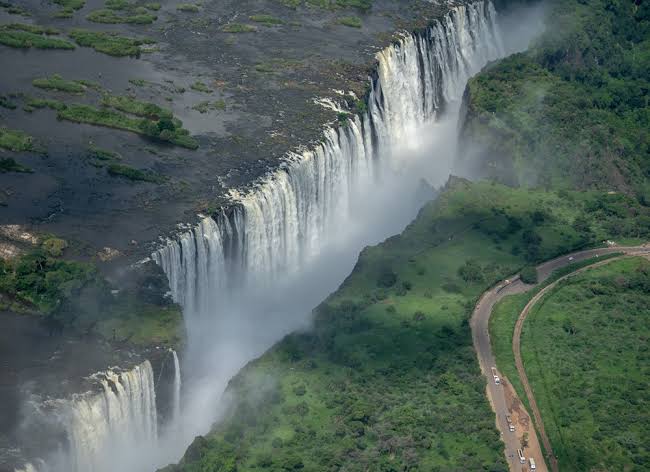
Victoria Falls is one of the world’s seven natural wonders and the most visited attraction in southern Africa. It draws travelers from across the globe to the Zimbabwe-Zambia border on the Zambezi River. The falls themselves span 1,708 meters of river at heights of up to 108 meters. They create a spray cloud visible from 50 kilometers and generate a roar audible from over 40 kilometers in all directions. David Livingstone, the first European to see the falls in 1855, named them after Queen Victoria. He acknowledged the local name. Mosi-oa-Tunya, “the smoke that thunders.” Described them more accurately than anything he could devise in English.
Two Days at the Falls
Two days is the minimum time needed to do Victoria Falls proper justice. The Zimbabwe viewpoint walk on the first day provides the most comprehensive perspective on the falls’ full width. It offers 16 viewpoints along the edge of the gorge, giving different angles on different sections of the main curtain and the secondary falls beyond the First Gorge. The Zambian side provides a different and, in some ways, more intimate view of the falls.
It includes the Devil’s Pool natural infinity pool at the very edge of the main falls during low-water season. Access is by border crossing that takes approximately 30 minutes with correct documentation. Activities beyond the viewing walk include white-water rafting on the Zambezi below the falls gorge, bungee jumping from the Victoria Falls Bridge, and sunset boat cruises on the upper Zambezi above the falls. And guided nature walks in the rain forest that grows from the perpetual spray at the gorge edge.
Chobe National Park in Botswana, three hours by road from Victoria Falls town, is the natural wildlife addition to a Victoria Falls stop. A one- to two-night extension to Chobe adds Africa’s most spectacular elephant concentration. Over 120,000 animals in the greater Chobe ecosystem. The afternoon river boat safari on the Chobe River in the golden hour before sunset is one of the finest wildlife photography experiences in Africa. Adding Chobe to the Victoria Falls component extends the two-country safari to three countries but adds minimal logistical complexity and significant wildlife value.
The Masai Mara: The Safari Highlight
The Masai Mara in Kenya is the natural safari counterpart to Victoria Falls in any two-country Africa itinerary. It pairs the continent’s greatest natural spectacle with its most consistently outstanding wildlife reserve. The Mara’s open grassland ecosystem and its habituated resident big cat populations. And its position as the northern extension of the Serengeti-Mara ecosystem makes it the obvious choice for the East Africa safari component of a Victoria Falls combination.
Three Days in the Mara
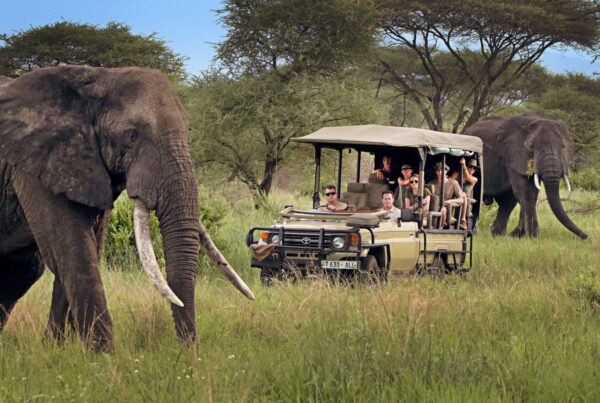
Three full days in the Masai Mara provides enough time to cover the reserve’s central plains and the Mara River zone in the north. And the private conservancies on the Mara’s boundary. The conservancies offer off-road vehicle access and night drives that the main reserve’s restrictions do not allow. Three game drive days covering morning and afternoon sessions. Six drives in total. Produces a comprehensive encounter with the Mara’s resident lion prides, cheetah families, and leopards. The experience also includes elephants, giraffes, zebras, topis, and the incredible variety of East Africa’s antelope and bird species that share the Mara ecosystem.
July through October is the most compelling Masai Mara period because the wildebeest migration is in Kenya during these months. The Mara River crossings — where hundreds of thousands of wildebeest plunge into crocodile-filled water to continue their seasonal circuit — provide the most dramatic wildlife sequences available in Africa. However, the Mara’s year-round resident wildlife makes it compelling in any month. Avoiding the peak migration crowds of August and September by visiting in June or November delivers an excellent wildlife experience in far less congested conditions. The camps that operate in the private conservancies outside the main reserve offer off-road access, night drives, and bush walks in any season. This significantly enhances the experience regardless of migration timing.
Building the Itinerary
The logistics of connecting Victoria Falls and the Masai Mara require routing through either Johannesburg or Nairobi. Both serve as regional aviation hubs with connections to the Victoria Falls area and to the Mara’s airstrips or Nairobi’s Wilson Airport.
Routing and Transit
The most efficient routing begins the itinerary at Victoria Falls. Arriving from the international source market via Johannesburg or Harare. It spends two to three nights at the falls, including the Chobe day trip or overnight extension. Then it connects via Johannesburg or directly from Livingstone to Nairobi for the Kenya connection. Kenya Airways and South African Airways both offer routes that facilitate this routing without excessive layover time.
A direct flight from Nairobi to the Masai Mara on a scheduled light aircraft takes approximately 45 minutes to one hour. It puts the traveler in the heart of the reserve for a full afternoon arrival game drive. Departure from Nairobi’s Jomo Kenyatta International Airport at the end of the Kenya segment completes the two-country itinerary on an efficient open-jaw routing.
The total itinerary length for a satisfying Victoria Falls and Masai Mara combination is 10 to 14 days. A 10-day structure allocates two nights at Victoria Falls, one Chobe extension night, and one transit night in Nairobi or a transit that arrives in the Mara for the first afternoon.
And three full Mara game drive days before the Nairobi departure. A 14-day version extends the Mara stay to five nights. Covering both central and northern river crossing zones. And allows one additional Victoria Falls activity day for white-water rafting or a sunset Zambezi cruise. Plan Your Safari
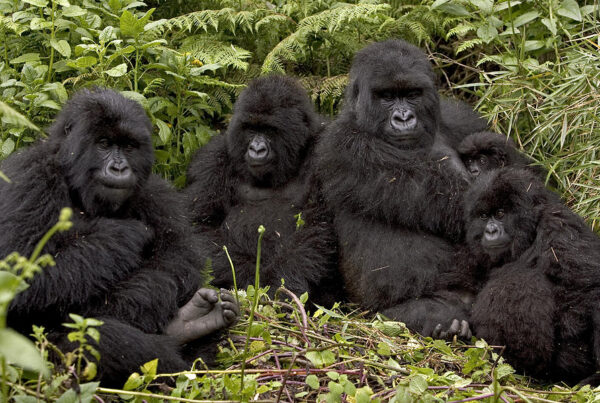
Kenya safari components can extend to Tanzania’s Serengeti and Ngorongoro, Uganda’s gorilla trekking, or Amboseli’s elephant safari to create a more comprehensive East Africa itinerary for travelers with additional days available after the Victoria Falls experience.
Contact African Wild Trekkers at africanwildtrekkers.com/contact with your travel dates, and we will design the East Africa component of your Victoria Falls and Masai Mara itinerary within 24 hours.