Namibia vs Kenya: Two Totally Different Ways to Safari in Africa
Namibia or Kenya: Two Completely Different African Safari Experiences
The comparison between them illustrates just how wide the range of “African wildlife experience” actually is. Kenya’s Masai Mara and Amboseli are high-density open savannah parks with large mammal concentrations and guided vehicle safaris. And the spectacular scale of the wildebeest migration defines the experience. Namibia is a vast desert country where self-drive travel through surreal landscapes combines with wildlife encounters in Etosha National Park. Those landscapes include the red dunes of the Namib Desert, the ancient rock engravings of Twyfelfontein, and the eerie Skeleton Coast. Etosha encounters are structured around concentrated waterhole viewing rather than open savannah driving. Both are outstanding African destinations. They attract very different types of traveler for very good reasons.
The Fundamental Difference in Character
The character difference between a Kenya safari and a Namibia safari is more fundamental than a simple comparison of wildlife species or park quality. The two countries offer different modes of travel and different landscape aesthetics. And different relationships between the traveler and the African environment.
Kenya: Classic Guided Safari Culture
Kenya operates on the guided safari model. Professional naturalist guides in purpose-built safari vehicles lead clients through national parks and conservancies. These parks are not accessible by private hire car in the way that Namibia’s roads and parks are. The guide’s knowledge of animal behavior, park geography, and seasonal wildlife distribution is the foundation of the Kenya safari experience. The quality of this guidance varies enormously between operators. It determines more than any other single factor whether a Kenya safari delivers outstanding or merely adequate wildlife encounters. Maasai guides in the Masai Mara, Samburu trackers in the northern reserves. And naturalists trained in the specific ecology of each park provide a depth of interpretation that self-drive travelers in Namibia do not have access to without hiring local guides separately.
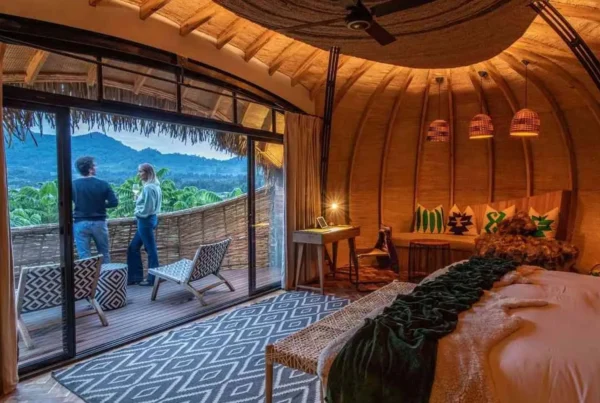
Kenya’s tented camp culture—canvas walls, raised sleeping platforms, fire-lit dining under open skies, and the sounds of the bush at night—creates an immersive safari atmosphere. This atmosphere has defined the East African safari experience for a century. Namibia’s predominantly lodge and guesthouse accommodation infrastructure approaches this differently. Kenya delivers the classic “Out of Africa” aesthetic more completely than almost any other country on the continent. For travelers whose preconceived idea of an African safari comes from this imagery, Kenya is its most natural embodiment.
Namibia: Self-Drive Desert Adventure
Namibia’s safari culture builds around independent self-drive travel. The country has excellent road infrastructure, good signage, and national parks designed to accommodate visitors in hire cars. Guided vehicle access is not required. Etosha National Park — the main Namibia safari destination — is a vast salt pan ecosystem. Game drives follow tarred roads between established waterholes. Visitors in their own vehicles simply park at waterhole observation points and wait for wildlife to come to drink. In the dry season, the concentration of wildlife at Etosha’s waterholes is extraordinary. Dozens of elephants, hundreds of zebras and springbok, black rhinos, lions, and cheetahs. And giraffes all come to the same water sources. The stationary waterhole observation experience delivers wildlife encounters of surprising intimacy and variety without a guide.
Beyond Etosha, Namibia’s appeal as a safari destination lies primarily in landscape rather than wildlife density. The Namib Desert is the oldest desert in the world. It runs the length of the country’s Atlantic coast. It contains some of Africa’s most otherworldly scenery. 300-meter red dunes at Sossusvlei, the surreal salt pan of Deadvlei, and the fish eagle habitat of the Caprivi Strip. And the shipwrecks and whale-bone structures of the Skeleton Coast. For travelers who want Africa’s landscapes as much as its wildlife. And for those who enjoy the freedom of self-drive road trip travel, Namibia offers an experience that no East African destination replicates.
Wildlife Comparison
The wildlife comparison between Kenya and Namibia reveals significant differences in species diversity and encounter conditions. And the specific animals that define each country’s safari character.
Kenya’s Wildlife Advantages
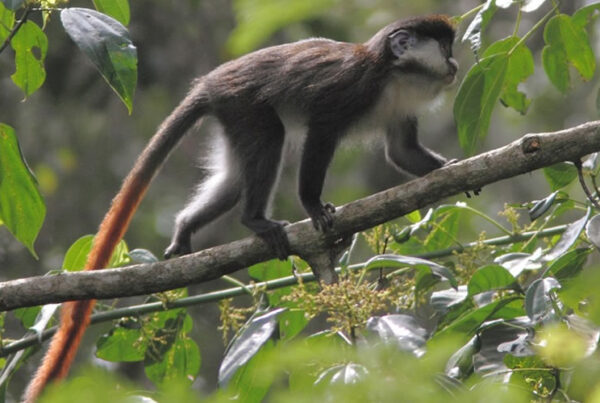
Kenya’s wildlife advantage lies in diversity, spectacle, and the quality of guided encounter conditions. The Masai Mara’s lion prides, cheetah families, and leopards are among the most visible and behaviorally observable big cat populations in Africa. The open terrain of Kenya’s savannah parks provides encounter conditions that no other country consistently matches for sustained big cat observation. The wildebeest migration’s Mara River crossings. Available in Kenya from approximately July through October. Are the most dramatic seasonal wildlife events in Africa. They have no equivalent in Namibia. Kenya’s primate diversity, including baboons, vervet monkeys, and colobus, adds a species dimension entirely absent from Namibia’s arid ecosystem.
Kenya also offers the most accessible introduction to East Africa’s broader wildlife network. A Kenya safari can easily extend to Tanzania’s Serengeti, Uganda’s gorillas, or Rwanda’s mountain gorillas. This creates multi-country itineraries of exceptional diversity. Namibia’s geographic isolation in southern Africa means that extensions into neighboring countries involve meaningful additional transit. Multi-country itineraries that include Botswana’s Okavango Delta or South Africa’s Kruger are more complex to build than the relatively compact East Africa safari circuit.
Namibia’s Wildlife Advantages
Namibia’s key wildlife advantage over Kenya is black and white rhinos. Namibia holds one of the world’s largest and most successful black rhino populations outside South Africa. Desert-adapted black rhinos in Damaraland represent a genetically and behaviorally distinct subpopulation. They have evolved to survive in conditions that savanna rhinos cannot. White rhino populations in Etosha are growing and reliably appear at waterholes. For travelers specifically seeking rhino encounters, Namibia is significantly more reliable than Kenya for black rhinos. It is competitive with any East African destination for white rhinos.
Namibia’s cheetah population is among Africa’s healthiest. The country’s commitment to community-based conservation on private farmland has created a cheetah conservation model that other countries study. Cheetahs are protected as agricultural assets rather than persecuted as stock killers. The AfriCat Foundation and the Cheetah Conservation Fund both operate in Namibia. They provide educational wildlife encounters alongside the national park game drives. For travelers with a specific interest in cheetah conservation and behavior, Namibia offers depth that Kenya cannot match despite its also excellent cheetah populations.
Plan Your Safari
For travelers whose priorities align with Kenya’s guided safari culture, dramatic open landscapes, and exceptional big cat encounters. And East Africa’s broader safari network, African Wild Trekkers, designs Kenya safari itineraries that cover the Masai Mara and Amboseli. And Samburu with experienced naturalist guides and quality accommodation. Kenya safaris can extend to Tanzania’s Serengeti and Ngorongoro, Uganda’s gorilla trekking, or Rwanda’s primate and savannah experiences to create comprehensive multi-country East Africa itineraries of any length. Every package is handled as a single integrated booking from airport arrival to departure.
Contact African Wild Trekkers at africanwildtrekkers.com/contact with your travel dates and wildlife priorities, and we will design the right Kenya and East Africa itinerary within 24 hours.