What to Expect on a Game Drive: A First-Timer’s Guide to the Bush
The Game Drive: What Actually Happens From Start to Finish
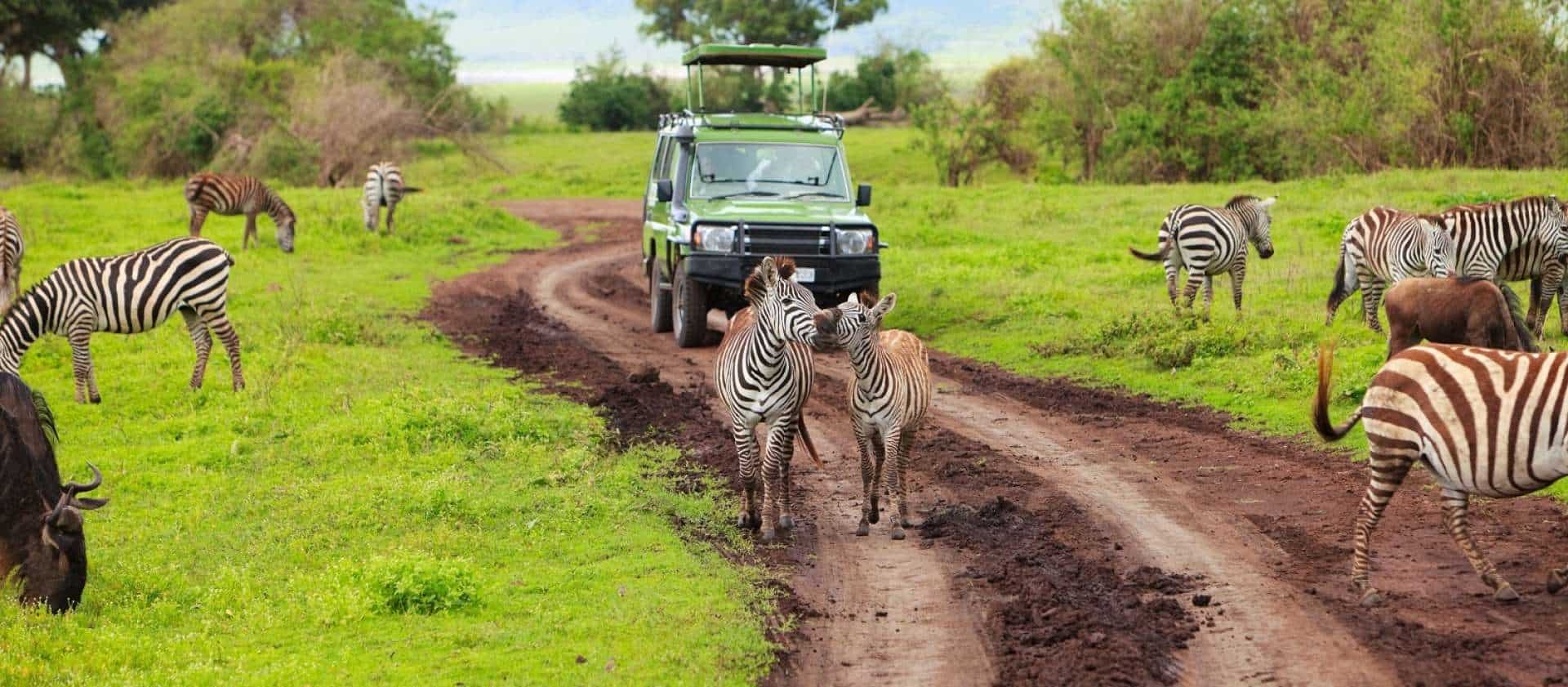
For many people, a game drive in an African national park or private game reserve is something they have imagined for years. The open vehicle, the vast savanna, the impossible encounter with a lion at close range. The reality of what that day actually looks and feels like is something that no amount of documentary viewing fully prepares you for. The sensory totality of the experience. The dust, the cold before sunrise, the way the landscape changes as the light shifts from grey to orange to full morning gold, the smell of the bush after the briefest overnight rain. Belongs to the category of experiences that can only be known by being there. What this guide does instead is explain the practical structure of a typical game drive day so that your first experience meets you with orientation rather than confusion about what is happening and why.
The standard safari day at a lodge or camp in East or Southern Africa structures itself around two game drives. A morning drive begins between 5:30 and 6:30 AM depending on the season and the operator’s schedule. An afternoon drive begins between 3:30 and 4:30 PM. This schedule is not arbitrary. It follows the activity patterns of African wildlife. Which concentrates movement, hunting. And social interaction during the cooler hours around dawn and dusk. Most large mammals rest during the heat of the midday period and remain relatively inactive then. The midday hours between approximately 10 AM and 3 PM belong to guests. For lunch, for rest, for reading, for swimming, and for photography and journal work.
The Morning Game Drive in Detail
Pre-Dawn Preparation and the First Hour
The Wake-Up Call and Departure
The most surprising element of a first morning game drive for many visitors is the temperature. In Southern Africa between May and August, or in East Africa’s highland parks year-round, pre-dawn temperatures regularly fall below 10°C and occasionally approach freezing at elevation. Your lodge will deliver a wake-up call, typically a quiet knock and the whispered offer of coffee and a rusk or small biscuit brought to your tent or chalet door. This gentle transition between sleep and the day’s first activity is a deliberate lodge design choice. It sets the emotional register for what follows. The approach to the bush is quiet, unhurried. And respectful of the early morning atmosphere rather than energetically commercial. Dressing for the cold before sunrise means layering: base layers, a fleece or down jacket over your safari shirt. And a hat and gloves that you can shed as the morning warms. Most experienced safari veterans describe the initial cold as an important part of the experience. It wakes you up completely and makes the gradual warmth of the rising sun over the next two hours feel like a gift.
The vehicle departs as early as possible to capitalize on the peak activity window around sunrise. Nocturnal predators are finishing their hunting activities and diurnal species are beginning to move. Your guide will brief the group before departure. Covering the day’s intended route, any sightings from the previous evening’s drive that are worth following up, radio intelligence received from other vehicles or trackers. And specific behavioral or ecological phenomena worth looking out for in the current season. This briefing is important to engage with attentively rather than treating as administrative preamble. Understanding your guide’s intentions and the reasoning behind them allows you to participate intelligently in the day’s wildlife search. A good guide shares the logic of every decision made during a game drive. Which fork in the track to take, why the vehicle has stopped at a specific point, what the vultures circling overhead might indicate. Guests who track that reasoning develop their own bush literacy rapidly across the course of a multi-day safari.
Reading the Landscape as You Drive
The first thing that strikes most first-time safari guests during a morning game drive is that the bush looks simultaneously more empty and more full than they expected. It looks more empty because the African savanna is vast and animals are widely dispersed across it. The camera-friendly close encounters that dominate wildlife documentary footage are the highlight reel of years of filming rather than a representative sample of what any single morning produces. It looks more full because once your eye begins to calibrate to the scale of the landscape and the way wildlife uses it, animals that were invisible 60 seconds ago suddenly appear with increasing frequency. Impala in a loose herd at the treeline, a giraffe neck rising above an acacia canopy on the far side of a lugga, the dark silhouette of a buffalo standing motionless in shade. All become visible as your pattern recognition catches up with the environment. Professional guides describe this calibration process explicitly. They call it “tuning in”. And it typically takes an hour of the first morning drive before a first-time visitor begins to see what their guide sees.
Animal tracks, dung, territorial scrapes, claw marks on tree bark. And vegetation disturbance from browsing or rubbing behavior are the landscape reading tools that your guide uses constantly during a morning drive. They build a picture of which animals passed through a specific area recently, in which direction, and how recently. Stopping to examine a set of lion tracks in sand with your guide. Learning to read the size of the pad, the stride length. And the presence or absence of claw marks that distinguish a lion from a leopard print. Transforms the empty track into a narrative. It makes the landscape feel inhabited and active rather than incidentally decorated with wildlife. This is the dimension of the game drive experience that no documentary can convey and that every first-time visitor underestimates as a source of genuine excitement: the detective work of reading the bush in the company of someone who has spent years learning its language.
Wildlife Encounters: What to Do and What to Feel
Managing Expectations and Embracing the Unexpected
The Emotional Reality of a Major Wildlife Encounter
The first time you encounter a large wild mammal at close range from an open vehicle, the physical response is immediate and visceral. A lion resting ten meters away, an elephant standing broadside at the track edge, a leopard draped over a branch at eye level. Almost every experienced safari traveler describes this with surprise on their first occasion. Your heart rate increases, your hands may tremble slightly as you reach for your camera. And your voice falls to a whisper without conscious instruction. A focused, hyper-attentive state settles over the vehicle. Everyone in the vehicle experiences the same moment simultaneously but processes it entirely privately. This state is not quite fear, not quite awe, not quite simple excitement, but a combination of all three. The human brain was not designed by evolution to be voluntarily close to large predators or massive herbivores. It produces this state instinctively as a response to genuine proximity to power. Professional guides and experienced safari veterans describe it as one of the primary reasons they return to Africa repeatedly. It is a form of aliveness that ordinary life rarely produces and that the memory of stays vivid for years.
Managing the camera during major wildlife encounters is a tension that almost every first-timer grapples with and that experienced photographers have spent years resolving. The instinct to immediately raise the camera and begin shooting creates a mediated relationship with the encounter. You experience it through a viewfinder rather than directly. Guests who spend an entire lion sighting staring at a camera screen instead of looking up at the animal consistently report afterward that the encounter felt somehow less real and less affecting. Guides at the best African safari camps often encourage guests explicitly to put the camera down for the first two minutes of any major sighting. Let the animal’s presence register at a human rather than a photographic level. Then photograph with full knowledge of what you have already experienced directly. The photographs taken with that prior emotional grounding tend to be better than those taken in the first seconds of frantic reactive shooting. The photographer has had time to identify the compositions and behavioral moments that actually capture what the encounter felt like.
The Bush Stop, the Sundowner, and the Drive Home
The afternoon game drive typically ends with a sundowner stop — a lodge tradition practiced across East and Southern Africa. The vehicle pulls up at a chosen viewpoint, usually a kopje with a panoramic vista or a riverbank watching point above a waterhole. The guide or tracker produces a folding table, drinks, and snacks from the vehicle’s storage box as the sun approaches the horizon. The sundowner is not merely a pleasant addition to the game drive. It is an important behavioral and emotional transition between the active wildlife searching mode of the drive and the quiet, reflective appreciation of the landscape in its most dramatic light. Sitting with a gin and tonic or a cold beer watching the sun turn the savanna from gold to amber to deep red while elephant move silently to a waterhole in the middle distance is one of those experiences that defies adequate verbal description. A giant eagle owl calling from a dead fever tree overhead completes the scene. Most safari visitors identify the sundowner as the single most consistently memorable moment of their entire trip.
The drive home after the sundowner, with the spotlight sweeping the bush edges as full darkness descends, often produces some of the most extraordinary encounters of the entire safari day. Nocturnal species — genets, civets, servals, spring hares, bush babies. And the occasional aardvark or aardwolf — emerge as the light fades and the spotlight finds them in the roadside vegetation where they hunt insects, stalk prey, or simply cross the track on their nocturnal circuits. A leopard returning from a waterhole crossing illuminated briefly by the spotlight at 20 meters, its eyes reflecting back with an amber flash before it melts into the darkness, is an encounter that lasts perhaps five seconds. It remains one of the defining memories of an Africa trip for a lifetime. This is the gift that the late afternoon drive home consistently delivers. Wildlife encounters that could not happen at any other time of day, seen in a quality of darkness and silence that makes the moment feel entirely removed from the ordinary world.
Plan Your Safari
African Wild Trekkers selects guides for every itinerary we build on the basis of their ability to create exactly the kind of engaged, educational. And emotionally resonant game drive experience described above. We know that the quality of your guide determines the quality of your game drive more than any other single factor. We invest in guide relationships across all our operating destinations to ensure that every vehicle we send guests into is led by someone who is both an expert field naturalist and a gifted host.
We also prepare every first-time safari guest thoroughly for what their game drives will look and feel like. The early morning cold, the midday quiet, the occasional hour without a significant sighting. And the intensity of a major wildlife encounter are all met with orientation rather than surprise. That preparation — delivered through our detailed pre-departure briefing documents and personal conversations with our team — is part of what we build into every itinerary as standard.
Contact African Wild Trekkers at africanwildtrekkers.com/contact with your destination interests and travel dates and we will design a safari itinerary that delivers the game drive experience you have been imagining within 24 hours.