Africa Safari Medical Kit: What to Pack for the Bush
Why a Well-Prepared Safari Medical Kit Is Essential
The remote locations that make African safaris special also make medical preparation extremely important. Distance from towns increases the need for readiness. A minor injury in a city creates inconvenience. The same injury in a remote safari area can become more complicated. A twisted ankle in Zambia’s Luangwa Valley may require careful management. The nearest clinic could be several hours away.
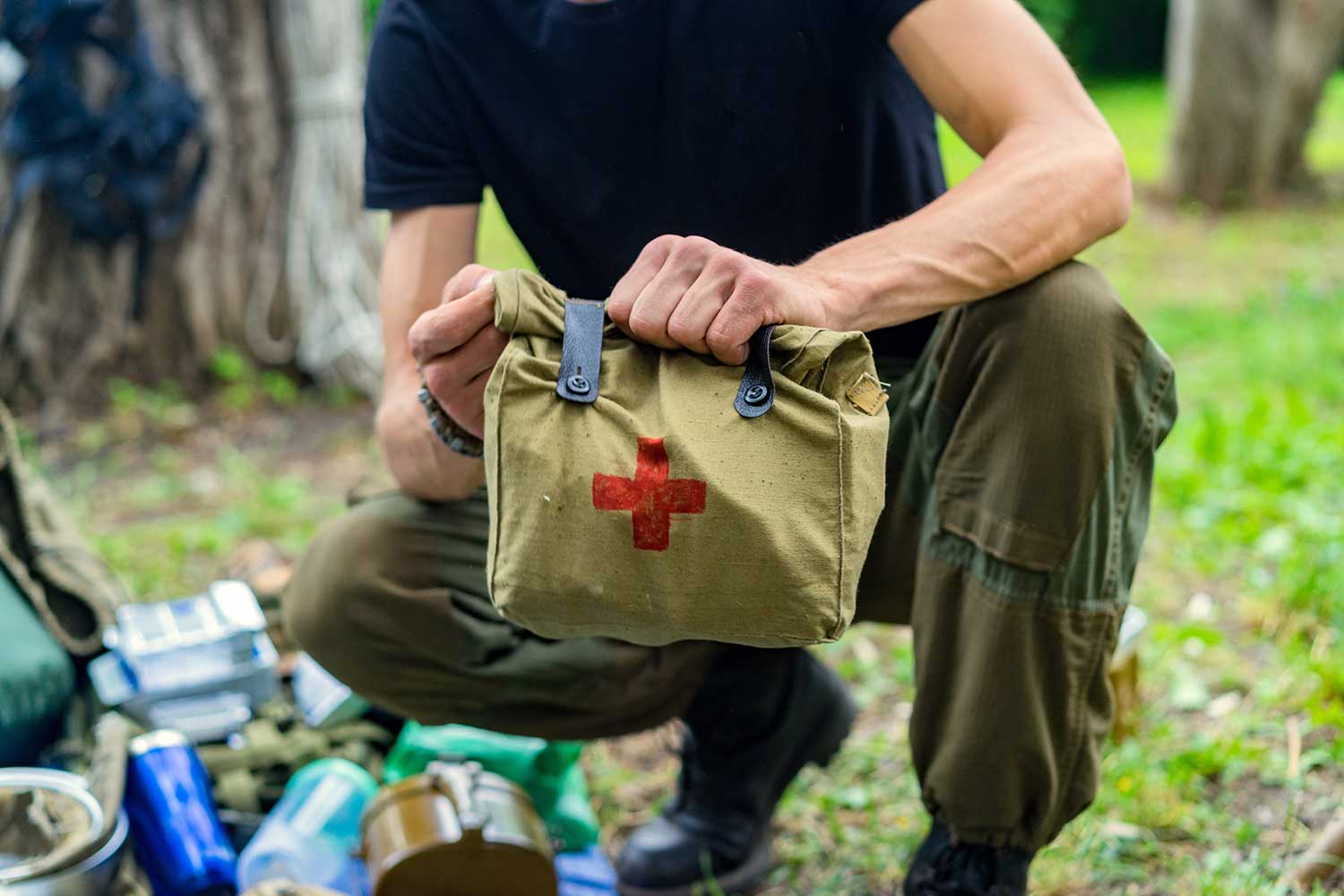
This does not mean travelers should avoid remote safari destinations. Medical emergencies on safari remain uncommon compared with other adventure activities. However, preparing a complete medical kit is an important travel step. It should include useful supplies rather than remain unopened. A safari medical kit serves two main purposes. The first is managing common minor health problems during travel.
These include sunburn, insect bites, blisters, stomach problems, headaches, and eye irritation. Most respond well to basic medication and supplies. The second purpose is supporting serious situations before professional care arrives. These may include severe allergies, major wounds, fractures, or heat exhaustion. A personal medical kit cannot replace professional treatment. However, it can provide support during evacuation or while waiting for medical assistance.
Essential Safari Medical Kit Contents
Wound Care and Injury Management
Wound care supplies are among the most important items in a safari medical kit. Cuts and scratches are common in bush environments. Thorns, vegetation, rough surfaces, and camp equipment can cause injuries. These wounds have higher infection risks in dusty outdoor conditions. A good kit should include a wound irrigation syringe. A 20ml syringe helps remove dirt from cuts using controlled water pressure.
Proper irrigation reduces infection risks more effectively than simple surface cleaning. It is one of the best field wound-treatment methods. Sterile saline sachets help clean wounds safely. Antiseptic wipes and chlorhexidine solution provide additional protection after cleaning. The kit should also include wound closure supplies. Adhesive strips help close clean cuts with minimal tension.
Tissue adhesive can help with small wounds where stitches are unavailable. Sterile dressings, medical tape, and crepe bandages complete the coverage supplies. Nitrile examination gloves should also be included. They protect the person providing first aid and reduce contamination risks. Keep all wound supplies together in one sealed compartment. This allows quick access during stressful situations.
Burns, Blisters, and Eye Irritation
Burns are among the most common serious camp injuries. They usually result from hot surfaces, fires, or boiling water. Vehicle exhausts and sun-heated surfaces can also cause burns. Immediate treatment helps reduce pain and further damage. Hydrogel burn dressings provide effective field treatment. They cool the affected area while protecting the injured skin.
Carry different dressing sizes for various burn areas. Clean water cooling remains the first response for thermal burns. After-sun lotion or aloe vera gel can also help. It provides relief from both sun exposure and minor burns. Blisters are common during walking safaris. Guests may walk several kilometers daily across uneven terrain.
New footwear often increases blister risks. Moleskin and gel blister pads help protect developing blisters. Sterile dressings protect broken blisters from dust and infection. Preventing infection helps travelers continue their safari activities. Eye irritation is also common during game drives. Dust, grass particles, and wind can affect the eyes. Single-use eye irrigation solutions help remove foreign particles. Open safari vehicles increase exposure to airborne debris.
Safari Medications and Health Supplies
Pain Management, Digestive Health, and Allergies
Safari medications should match the environment rather than copy a home medicine cabinet. Basic supplies should address common travel problems. Paracetamol and ibuprofen cover most common pain needs. They help with headaches, fever, muscle discomfort, and inflammation. Rough roads can cause body discomfort during long drives. These medications help manage minor physical challenges.
Ibuprofen helps reduce inflammation from injuries and insect reactions. Paracetamol provides a safer option for repeated fever management. Carrying both medications provides flexibility. Travelers can manage many minor health issues without unnecessary supplies. Oral rehydration salts are among the most valuable safari items. They help replace fluids and electrolytes lost through heat and activity.
High temperatures and exciting wildlife encounters can reduce water intake. Mild dehydration may cause fatigue, headaches, and poor concentration. One ORS sachet mixed with clean water restores important electrolytes. It also supports recovery from diarrhea-related dehydration. Anti-diarrheal medication such as loperamide can be useful. It helps manage symptoms during transfers or long game drives. However, loperamide only controls symptoms. It does not treat infections causing diarrhea.
Plan Your Safari Health Preparation
African Wild Trekkers provides every guest with detailed pre-departure health guidance. This includes destination-specific medical kit recommendations. Our checklist considers local health risks and available lodge facilities. Guests can avoid carrying unnecessary duplicate supplies. We help travelers understand what lodges already provide. This allows personal kits to focus on additional essential items.
For guests with existing medical needs, we provide extra guidance. This includes medication storage and traveling with medical equipment. We also advise on medical facilities near each destination. Guests receive emergency contacts and evacuation information before departure.
Our support includes lodge evacuation services and independent providers. These may include AMREF Flying Doctors and AirRescue contacts. Contact African Wild Trekkers through africanwildtrekkers.com/contact. Share your destination and health requirements. We will prepare a personalized safari medical kit checklist. It will become part of your complete pre-departure preparation documents.