info@africanwildtrekkers.com

info@africanwildtrekkers.com

Staying Safe and Comfortable Throughout Your Trip

Rwanda and Kenya: Nuanced Situations in East Africa

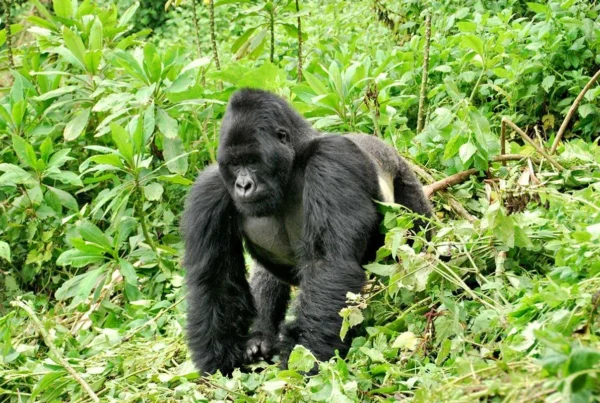
Rwanda’s legal situation for LGBTQ+ travelers is a nuanced one — same-sex relationships are not explicitly criminalized in Rwandan law, representing a different situation from many neighboring countries, but there is no formal legal recognition or protection for same-sex couples, and public displays of affection between same-sex couples may attract unwanted attention in rural and traditional communities outside the capital Kigali. The gorilla trekking context — where small groups spend several hours on foot in the company of community guides and park rangers from traditional rural communities in the Virunga highlands — is a specific environment where LGBTQ+ couples should be aware that they may encounter personal attitudes that differ from the professional hospitality they receive at their lodge. The overwhelming majority of gorilla trekking tour operators and lodges in Rwanda welcome LGBTQ+ guests without issue, and the experience at premium lodge properties near Volcanoes National Park is consistently reported as comfortable and welcoming by LGBTQ+ travelers who have visited. Traveling with appropriate cultural sensitivity in public community contexts — the same discretion that would be appropriate in many rural communities globally — is a reasonable practical approach that most LGBTQ+ travelers who visit Rwanda apply as a matter of course.

Kenya criminalizes same-sex relationships under penal code sections that carry sentences of up to fourteen years in law, though enforcement against foreign tourists is extremely rare and the practical experience of LGBTQ+ visitors to Kenya’s premium safari properties — the Masai Mara conservancy lodges, the Laikipia plateau camps, and the northern frontier camps around Samburu — is consistently reported as professionally welcoming within the lodge environment. The significant international LGBTQ+ tourism presence in Kenya’s luxury safari market has created an effective private-sector norm of complete guest acceptance at premium operators that functions independently of the national legal framework. Tanzania, Uganda, and Zimbabwe carry active criminalization with penalties that make visiting these countries as an openly LGBTQ+ traveler a more significant decision requiring personal assessment rather than recommendation; reputable safari operators working in these destinations handle LGBTQ+ guest inquiries with specific, honest information about the practical implications rather than general reassurances, and the decision to travel to these destinations is a personal one that rests with the individual traveler after full information disclosure.

Practical Advice for LGBTQ+ Safari Travelers

Staying Safe and Comfortable Throughout Your Trip

Choosing Operators and Managing Expectations

Choosing a safari operator with a demonstrated track record of welcoming LGBTQ+ guests and with specific knowledge of the current legal and social environment in each destination country is the most important preparation step for LGBTQ+ safari travelers. An operator who has hosted numerous same-sex couples and individual LGBTQ+ travelers at specific lodges can speak from direct experience rather than from general assurances, and the specific knowledge they can share — which lodges have hosted same-sex weddings, which guides are known for their genuinely inclusive professional approach, which transit cities require more discretion than the lodge itself — is the practical intelligence that makes a significant difference to the texture of the travel experience. Asking potential operators directly and specifically about their LGBTQ+ guest experience, and observing how specifically and confidently they answer, provides important information about whether the “everyone is welcome” statement is backed by actual experience or is simply a reflexive marketing response.

Booking double-occupancy rooms rather than specifying room type at check-in, using the same practical discretion in transit environments — airports, hotel lobbies, ground transportation — that you would apply in any unfamiliar cultural context, and treating the cultural environment of rural safari communities with the same respectful awareness that you would apply as a guest in any community whose norms differ from your own are the practical approaches that experienced LGBTQ+ safari travelers consistently recommend. The safari lodge environment itself — private, internationally staffed, professionally operated, and culturally attuned to a global LGBTQ+-affirming guest base — is in the great majority of cases a completely comfortable and welcoming space; the transitional environments between lodges carry more variable conditions that benefit from straightforward situational awareness rather than either anxiety or obliviousness.

Plan Your Safari

African Wild Trekkers welcomes LGBTQ+ travelers and couples on every itinerary we design and is transparent about the specific legal framework and practical hospitality environment at every destination we recommend. We do not offer false reassurance about destinations where the legal situation is genuinely challenging for LGBTQ+ travelers, and we do not withhold information that LGBTQ+ guests need to make fully informed decisions about their itinerary choices. Our goal is that every guest — regardless of identity or relationship structure — arrives at their safari with complete and accurate information about the environment they will be visiting.

For LGBTQ+ couples planning honeymoon safaris or celebration trips, we arrange the same level of romantic detail — private sundowner setups, in-room champagne, special anniversary acknowledgments by lodge management — that we arrange for any couple celebrating a significant occasion. The specific logistics of arranging these details at lodges in different destination countries, including understanding which operators are genuinely enthusiastic versus merely compliant, is knowledge we have built through years of specific LGBTQ+ guest experience across our operating network.

Contact African Wild Trekkers at africanwildtrekkers.com/contact with your preferred destinations and any specific questions about the LGBTQ+ environment at the lodges you are considering, and we will provide honest, specific, and helpful information within 24 hours.
South Africa: Africa’s Most LGBTQ+ Affirming Safari Country

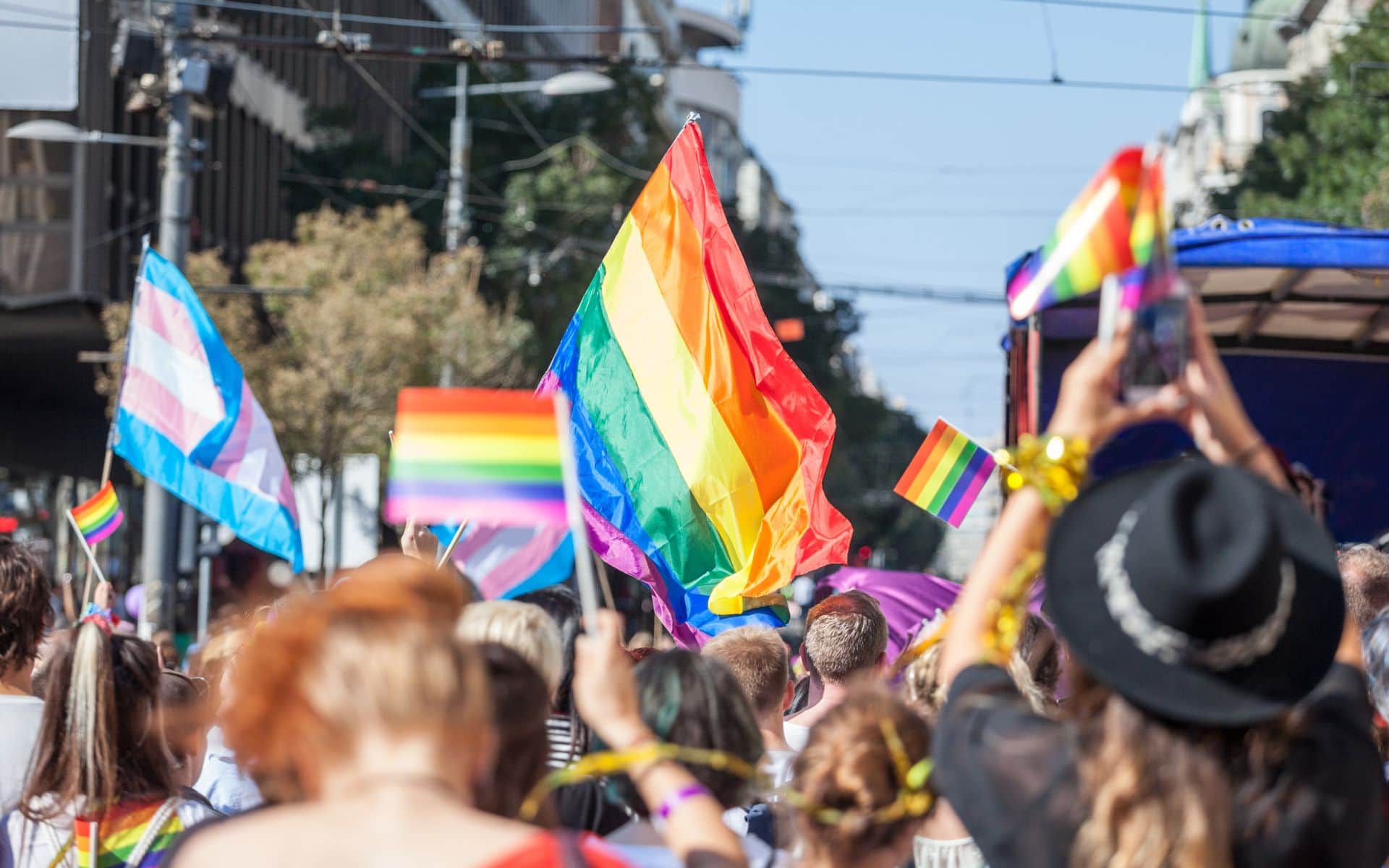
South Africa is the only country on the African continent that legally recognizes same-sex marriage — having been the fifth country in the world to do so when the Civil Union Act was enacted in 2006 — and its constitution, widely regarded as among the most progressive in the world, explicitly prohibits discrimination based on sexual orientation. This constitutional framework creates a legal environment for LGBTQ+ travelers that is genuinely protective rather than merely tolerant, and the South African safari industry has fully embraced LGBTQ+ couples and travelers as a valued and explicitly marketed guest demographic. Cape Town is well established as one of the world’s most gay-friendly cities, hosting an annual Pride festival and operating an extensive LGBTQ+-specific tourism and hospitality sector that receives significant international attention. The country’s premium safari destinations — the Sabi Sand, Timbavati, and Waterberg private game reserves, the Eastern Cape malaria-free reserves, and the Kruger National Park ecosystem — operate at the same level of LGBTQ+ affirmation as their Cape Town urban counterparts, with same-sex couples routinely accommodated in double-bed rooms without commentary, honeymoon arrangements made on exactly the same basis for same-sex and opposite-sex couples, and guide and staff behavior that treats all guests with identical professional respect regardless of relationship structure.

Botswana decriminalized same-sex relationships in 2019 in a landmark High Court ruling that overturned colonial-era legislation, making it one of the most progressive countries in sub-Saharan Africa outside South Africa on LGBTQ+ legal recognition. The ruling specifically cited personal dignity and the unconstitutionality of discriminatory enforcement as its basis, and while Botswana does not yet recognize same-sex marriage or formal partnership, the decriminalization removes the criminal exposure that previously existed and creates a meaningfully more comfortable legal environment for LGBTQ+ travelers visiting what is arguably the finest safari destination in Africa — the Okavango Delta. Premium Botswana lodges including those operated by &Beyond, Wilderness Safaris, and Singita have always welcomed LGBTQ+ guests warmly, and the 2019 decriminalization simply aligned the national legal framework with the hospitality practice that had already been established at these internationally oriented luxury properties. Namibia, despite a socially conservative general population, similarly decriminalized same-sex relationships in 2024 following a Constitutional Court ruling, making both of the Southern African self-drive safari powerhouses legally safer environments for LGBTQ+ travelers than they were even five years ago.

Rwanda and Kenya: Nuanced Situations in East Africa

Rwanda’s legal situation for LGBTQ+ travelers is a nuanced one — same-sex relationships are not explicitly criminalized in Rwandan law, representing a different situation from many neighboring countries, but there is no formal legal recognition or protection for same-sex couples, and public displays of affection between same-sex couples may attract unwanted attention in rural and traditional communities outside the capital Kigali. The gorilla trekking context — where small groups spend several hours on foot in the company of community guides and park rangers from traditional rural communities in the Virunga highlands — is a specific environment where LGBTQ+ couples should be aware that they may encounter personal attitudes that differ from the professional hospitality they receive at their lodge. The overwhelming majority of gorilla trekking tour operators and lodges in Rwanda welcome LGBTQ+ guests without issue, and the experience at premium lodge properties near Volcanoes National Park is consistently reported as comfortable and welcoming by LGBTQ+ travelers who have visited. Traveling with appropriate cultural sensitivity in public community contexts — the same discretion that would be appropriate in many rural communities globally — is a reasonable practical approach that most LGBTQ+ travelers who visit Rwanda apply as a matter of course.

Kenya criminalizes same-sex relationships under penal code sections that carry sentences of up to fourteen years in law, though enforcement against foreign tourists is extremely rare and the practical experience of LGBTQ+ visitors to Kenya’s premium safari properties — the Masai Mara conservancy lodges, the Laikipia plateau camps, and the northern frontier camps around Samburu — is consistently reported as professionally welcoming within the lodge environment. The significant international LGBTQ+ tourism presence in Kenya’s luxury safari market has created an effective private-sector norm of complete guest acceptance at premium operators that functions independently of the national legal framework. Tanzania, Uganda, and Zimbabwe carry active criminalization with penalties that make visiting these countries as an openly LGBTQ+ traveler a more significant decision requiring personal assessment rather than recommendation; reputable safari operators working in these destinations handle LGBTQ+ guest inquiries with specific, honest information about the practical implications rather than general reassurances, and the decision to travel to these destinations is a personal one that rests with the individual traveler after full information disclosure.

Practical Advice for LGBTQ+ Safari Travelers

Staying Safe and Comfortable Throughout Your Trip

Choosing Operators and Managing Expectations

Choosing a safari operator with a demonstrated track record of welcoming LGBTQ+ guests and with specific knowledge of the current legal and social environment in each destination country is the most important preparation step for LGBTQ+ safari travelers. An operator who has hosted numerous same-sex couples and individual LGBTQ+ travelers at specific lodges can speak from direct experience rather than from general assurances, and the specific knowledge they can share — which lodges have hosted same-sex weddings, which guides are known for their genuinely inclusive professional approach, which transit cities require more discretion than the lodge itself — is the practical intelligence that makes a significant difference to the texture of the travel experience. Asking potential operators directly and specifically about their LGBTQ+ guest experience, and observing how specifically and confidently they answer, provides important information about whether the “everyone is welcome” statement is backed by actual experience or is simply a reflexive marketing response.

Booking double-occupancy rooms rather than specifying room type at check-in, using the same practical discretion in transit environments — airports, hotel lobbies, ground transportation — that you would apply in any unfamiliar cultural context, and treating the cultural environment of rural safari communities with the same respectful awareness that you would apply as a guest in any community whose norms differ from your own are the practical approaches that experienced LGBTQ+ safari travelers consistently recommend. The safari lodge environment itself — private, internationally staffed, professionally operated, and culturally attuned to a global LGBTQ+-affirming guest base — is in the great majority of cases a completely comfortable and welcoming space; the transitional environments between lodges carry more variable conditions that benefit from straightforward situational awareness rather than either anxiety or obliviousness.

Plan Your Safari

African Wild Trekkers welcomes LGBTQ+ travelers and couples on every itinerary we design and is transparent about the specific legal framework and practical hospitality environment at every destination we recommend. We do not offer false reassurance about destinations where the legal situation is genuinely challenging for LGBTQ+ travelers, and we do not withhold information that LGBTQ+ guests need to make fully informed decisions about their itinerary choices. Our goal is that every guest — regardless of identity or relationship structure — arrives at their safari with complete and accurate information about the environment they will be visiting.

For LGBTQ+ couples planning honeymoon safaris or celebration trips, we arrange the same level of romantic detail — private sundowner setups, in-room champagne, special anniversary acknowledgments by lodge management — that we arrange for any couple celebrating a significant occasion. The specific logistics of arranging these details at lodges in different destination countries, including understanding which operators are genuinely enthusiastic versus merely compliant, is knowledge we have built through years of specific LGBTQ+ guest experience across our operating network.

Contact African Wild Trekkers at africanwildtrekkers.com/contact with your preferred destinations and any specific questions about the LGBTQ+ environment at the lodges you are considering, and we will provide honest, specific, and helpful information within 24 hours.

Understanding the LGBTQ+ Landscape in African Safari Countries

Africa’s legal and social landscape for LGBTQ+ travelers varies more dramatically between countries than perhaps any other major tourist destination region in the world, ranging from destinations with explicit constitutional protections for sexual orientation and well-established same-sex couple tourism cultures to countries where same-sex relationships are criminalized under laws carrying serious penalties. Understanding this variation in concrete, country-specific terms — rather than applying a generalized regional assessment — is essential for LGBTQ+ travelers planning African safari itineraries, because the experience of a gay couple staying at a luxury lodge in South Africa’s Sabi Sand is fundamentally different from the same couple’s experience at a lodge in a country with active anti-LGBTQ+ legislation, regardless of how carefully that lodge’s management personally manages their specific guest experience. The goal of this guide is to provide honest, specific information about the countries where most major safari itineraries operate so that LGBTQ+ travelers can make fully informed decisions about their destinations rather than discovering relevant legal and social realities after booking.

It is also important to separate the legal framework that applies in each country from the practical, day-to-day experience of LGBTQ+ guests at quality safari lodges, because these are not always the same thing. Several countries with anti-LGBTQ+ legislation host premium safari lodges whose international guest base includes significant numbers of same-sex couples and whose management teams — often internationally trained, frequently LGBTQ+ affirmative in their personal values, and entirely focused on delivering the safari experience their guests have paid for — provide a completely welcoming, non-judgmental, and professional guest experience that is entirely disconnected from the country’s national legal position. The disconnect between national law and specific lodge hospitality practice does not make the legal framework irrelevant — it remains the background condition that determines what protections and recourses are available to guests in any interaction outside the lodge environment — but it means that the practical quality of the LGBTQ+ safari experience at a specific lodge can be excellent even in countries where the legal framework is not affirmative.

Most Welcoming African Safari Destinations

Destinations With Formal Legal Protection

South Africa: Africa’s Most LGBTQ+ Affirming Safari Country

South Africa is the only country on the African continent that legally recognizes same-sex marriage — having been the fifth country in the world to do so when the Civil Union Act was enacted in 2006 — and its constitution, widely regarded as among the most progressive in the world, explicitly prohibits discrimination based on sexual orientation. This constitutional framework creates a legal environment for LGBTQ+ travelers that is genuinely protective rather than merely tolerant, and the South African safari industry has fully embraced LGBTQ+ couples and travelers as a valued and explicitly marketed guest demographic. Cape Town is well established as one of the world’s most gay-friendly cities, hosting an annual Pride festival and operating an extensive LGBTQ+-specific tourism and hospitality sector that receives significant international attention. The country’s premium safari destinations — the Sabi Sand, Timbavati, and Waterberg private game reserves, the Eastern Cape malaria-free reserves, and the Kruger National Park ecosystem — operate at the same level of LGBTQ+ affirmation as their Cape Town urban counterparts, with same-sex couples routinely accommodated in double-bed rooms without commentary, honeymoon arrangements made on exactly the same basis for same-sex and opposite-sex couples, and guide and staff behavior that treats all guests with identical professional respect regardless of relationship structure.

Botswana decriminalized same-sex relationships in 2019 in a landmark High Court ruling that overturned colonial-era legislation, making it one of the most progressive countries in sub-Saharan Africa outside South Africa on LGBTQ+ legal recognition. The ruling specifically cited personal dignity and the unconstitutionality of discriminatory enforcement as its basis, and while Botswana does not yet recognize same-sex marriage or formal partnership, the decriminalization removes the criminal exposure that previously existed and creates a meaningfully more comfortable legal environment for LGBTQ+ travelers visiting what is arguably the finest safari destination in Africa — the Okavango Delta. Premium Botswana lodges including those operated by &Beyond, Wilderness Safaris, and Singita have always welcomed LGBTQ+ guests warmly, and the 2019 decriminalization simply aligned the national legal framework with the hospitality practice that had already been established at these internationally oriented luxury properties. Namibia, despite a socially conservative general population, similarly decriminalized same-sex relationships in 2024 following a Constitutional Court ruling, making both of the Southern African self-drive safari powerhouses legally safer environments for LGBTQ+ travelers than they were even five years ago.

Rwanda and Kenya: Nuanced Situations in East Africa

Rwanda’s legal situation for LGBTQ+ travelers is a nuanced one — same-sex relationships are not explicitly criminalized in Rwandan law, representing a different situation from many neighboring countries, but there is no formal legal recognition or protection for same-sex couples, and public displays of affection between same-sex couples may attract unwanted attention in rural and traditional communities outside the capital Kigali. The gorilla trekking context — where small groups spend several hours on foot in the company of community guides and park rangers from traditional rural communities in the Virunga highlands — is a specific environment where LGBTQ+ couples should be aware that they may encounter personal attitudes that differ from the professional hospitality they receive at their lodge. The overwhelming majority of gorilla trekking tour operators and lodges in Rwanda welcome LGBTQ+ guests without issue, and the experience at premium lodge properties near Volcanoes National Park is consistently reported as comfortable and welcoming by LGBTQ+ travelers who have visited. Traveling with appropriate cultural sensitivity in public community contexts — the same discretion that would be appropriate in many rural communities globally — is a reasonable practical approach that most LGBTQ+ travelers who visit Rwanda apply as a matter of course.

Kenya criminalizes same-sex relationships under penal code sections that carry sentences of up to fourteen years in law, though enforcement against foreign tourists is extremely rare and the practical experience of LGBTQ+ visitors to Kenya’s premium safari properties — the Masai Mara conservancy lodges, the Laikipia plateau camps, and the northern frontier camps around Samburu — is consistently reported as professionally welcoming within the lodge environment. The significant international LGBTQ+ tourism presence in Kenya’s luxury safari market has created an effective private-sector norm of complete guest acceptance at premium operators that functions independently of the national legal framework. Tanzania, Uganda, and Zimbabwe carry active criminalization with penalties that make visiting these countries as an openly LGBTQ+ traveler a more significant decision requiring personal assessment rather than recommendation; reputable safari operators working in these destinations handle LGBTQ+ guest inquiries with specific, honest information about the practical implications rather than general reassurances, and the decision to travel to these destinations is a personal one that rests with the individual traveler after full information disclosure.

Practical Advice for LGBTQ+ Safari Travelers

Staying Safe and Comfortable Throughout Your Trip

Choosing Operators and Managing Expectations

Choosing a safari operator with a demonstrated track record of welcoming LGBTQ+ guests and with specific knowledge of the current legal and social environment in each destination country is the most important preparation step for LGBTQ+ safari travelers. An operator who has hosted numerous same-sex couples and individual LGBTQ+ travelers at specific lodges can speak from direct experience rather than from general assurances, and the specific knowledge they can share — which lodges have hosted same-sex weddings, which guides are known for their genuinely inclusive professional approach, which transit cities require more discretion than the lodge itself — is the practical intelligence that makes a significant difference to the texture of the travel experience. Asking potential operators directly and specifically about their LGBTQ+ guest experience, and observing how specifically and confidently they answer, provides important information about whether the “everyone is welcome” statement is backed by actual experience or is simply a reflexive marketing response.

Booking double-occupancy rooms rather than specifying room type at check-in, using the same practical discretion in transit environments — airports, hotel lobbies, ground transportation — that you would apply in any unfamiliar cultural context, and treating the cultural environment of rural safari communities with the same respectful awareness that you would apply as a guest in any community whose norms differ from your own are the practical approaches that experienced LGBTQ+ safari travelers consistently recommend. The safari lodge environment itself — private, internationally staffed, professionally operated, and culturally attuned to a global LGBTQ+-affirming guest base — is in the great majority of cases a completely comfortable and welcoming space; the transitional environments between lodges carry more variable conditions that benefit from straightforward situational awareness rather than either anxiety or obliviousness.

Plan Your Safari

African Wild Trekkers welcomes LGBTQ+ travelers and couples on every itinerary we design and is transparent about the specific legal framework and practical hospitality environment at every destination we recommend. We do not offer false reassurance about destinations where the legal situation is genuinely challenging for LGBTQ+ travelers, and we do not withhold information that LGBTQ+ guests need to make fully informed decisions about their itinerary choices. Our goal is that every guest — regardless of identity or relationship structure — arrives at their safari with complete and accurate information about the environment they will be visiting.

For LGBTQ+ couples planning honeymoon safaris or celebration trips, we arrange the same level of romantic detail — private sundowner setups, in-room champagne, special anniversary acknowledgments by lodge management — that we arrange for any couple celebrating a significant occasion. The specific logistics of arranging these details at lodges in different destination countries, including understanding which operators are genuinely enthusiastic versus merely compliant, is knowledge we have built through years of specific LGBTQ+ guest experience across our operating network.

Contact African Wild Trekkers at africanwildtrekkers.com/contact with your preferred destinations and any specific questions about the LGBTQ+ environment at the lodges you are considering, and we will provide honest, specific, and helpful information within 24 hours.