How to Pack Light for Safari: Carry-On Only Tips for Bush Travel
Packing light can make an African safari much easier. You do not need a large suitcase for most safari trips. A well-planned carry-on can hold everything you need. Light luggage also makes road transfers, lodge changes, and domestic flights more convenient.
Carry-on-only travel works especially well on fly-in safaris. Small safari aircraft often have strict baggage limits. Many operators also require soft-sided bags because of limited storage space. Packing light from the start helps you avoid problems at the airport and on bush flights.
The secret lies in packing versatile items rather than packing for every situation. Choose clothes that work for several activities. Limit your shoes, reduce toiletries, and avoid unnecessary electronics. You can enjoy a comfortable safari without carrying your entire wardrobe.
Choose Versatile Safari Clothing
Safari clothing should feel comfortable, lightweight, and practical. Pack trousers, lightweight shirts, T-shirts, and long-sleeved tops. Choose breathable fabrics that dry quickly and pack easily.
Neutral colours work well for safari travel. Khaki, beige, olive, brown, and grey suit the bush environment. They also hide dust better than very light colours. Avoid packing an entirely different outfit for every day.
Long-sleeved shirts offer useful protection from the sun and insects. Lightweight trousers work well during game drives and nature walks. You can also wear them at most safari lodges. Most lodges maintain a relaxed dress code, so formal clothing rarely serves a purpose.
Pack one warm layer for cool mornings and evenings. A lightweight fleece or jacket usually works well. Some high-altitude destinations can become quite cold. Check your itinerary and expected temperatures before choosing your outer layer.
Pack Clothes for Several Days
You do not need fresh clothes for every day of your safari. Pack enough clothing for about four to five days. You can then use laundry services during longer trips.
Many safari lodges offer laundry services. Some camps can also wash small items by hand. Quick-drying clothing makes this option even easier.
Choose clothing that you can combine easily. Two or three pairs of trousers can work with several shirts. A few T-shirts and long-sleeved tops can cover most daily activities.
This approach reduces both weight and luggage size. It also leaves space for souvenirs and other essentials.
Limit Your Shoes
Shoes can quickly add unnecessary weight. Most safari travelers need only two pairs.
Take one comfortable pair of walking shoes or trainers. Choose footwear that works for game drives, lodge walks, and light nature walks. You can then add lightweight sandals for use around the lodge.
You may need stronger hiking boots for demanding hikes. Gorilla trekking, chimpanzee trekking, and mountain hikes can require more supportive footwear. Check the activities on your itinerary before choosing your shoes.
Avoid packing several casual or formal pairs. They rarely add enough value to justify the extra space.
Use Packing Cubes
Packing cubes make carry-on travel much easier. They help you organize clothing and use your luggage space efficiently. You can keep shirts in one cube and underwear in another.
Roll lightweight clothes before placing them inside the cubes. This method can help reduce empty spaces in your bag. It also makes individual items easier to find.
Keep frequently used items near the top of your luggage. You may need a jacket, hat, or toiletries during a long travel day. Easy access saves time when you move between destinations.
Keep Toiletries Simple
Toiletries can take up more space than expected. Use travel-size containers for shampoo, body wash, and other liquids. Check whether your lodges provide basic toiletries before packing them.
Prioritize the products you genuinely need. Sunscreen, insect repellent, lip balm, and personal medication should remain high on your list.
Avoid carrying large bottles. They add weight and may exceed airline liquid restrictions. Refill small containers instead of carrying full-size products.
Keep prescription medication in your carry-on. Carry enough for the entire journey. Keep medicines in their original packaging whenever possible.
Protect Yourself From the Sun and Insects
Sun protection matters throughout an African safari. Pack sunglasses, sunscreen, and a comfortable hat. A wide-brimmed hat provides better protection than a small cap.
Insect repellent also deserves space in your carry-on. Your needs may vary by destination and season. Your safari operator can advise you on the most suitable product.
A lightweight long-sleeved shirt can provide another layer of protection. It also helps during cooler morning and evening game drives.
Bring a Small Daypack
A small daypack can make game drives much more comfortable. Use it for the items you need during the day.
You can carry water, sunscreen, binoculars, a camera, and personal items inside it. Choose a lightweight bag that fits easily in your safari vehicle.
Avoid large backpacks unless your itinerary requires one. A compact daypack gives you enough space without adding unnecessary weight.
Pack Your Camera Equipment Carefully
Safari photography can tempt travelers to overpack. You do not always need several large lenses and accessories. Choose equipment that matches your photography goals.
A smartphone can handle many everyday photographs. If you carry a dedicated camera, pack only the lenses you expect to use.
Keep spare batteries, memory cards, and charging cables together. A small electronics pouch can keep everything organized.
Some remote camps have limited electricity. A power bank can help during long travel days. Check your lodge and camp facilities before deciding what charging equipment you need.
Carry Binoculars
A good pair of binoculars can improve your safari experience dramatically. They help you spot distant wildlife and birds. They also allow you to observe animals without getting too close.
Choose compact binoculars that fit comfortably in your daypack. You do not need the largest or heaviest model. A lightweight pair can provide excellent results during game drives.
Plan for Safari Laundry
Laundry can significantly reduce your luggage needs. Many lodges offer laundry services during multi-night stays. Some camps also provide simple hand-washing facilities.
Instead of packing enough clothing for your entire safari, plan around laundry stops. Four or five days of clothing can cover a much longer journey.
This strategy works especially well for two-week or longer safaris. It also helps when your itinerary includes several small aircraft flights.
Follow Small Aircraft Baggage Rules
Domestic safari flights often use small aircraft. These planes have limited luggage space. Airlines may also impose lower weight limits than international flights.
Always check the baggage allowance before your safari begins. Confirm both the maximum weight and the type of bag required.
Many safari operators recommend soft-sided bags. Hard suitcases may not fit inside the aircraft baggage compartment. Some airlines also restrict individual bag dimensions.
Follow the rules carefully. Excess baggage can create delays or additional costs. Your safari operator can confirm the requirements for each flight on your itinerary.
Keep Important Documents With You
Your passport should always remain in your carry-on. The same applies to travel insurance details, essential booking information, and important medical documents.
Keep digital copies of important documents on your phone or secure cloud storage. You can also carry printed copies as a backup.
Keep prescription medication in your hand luggage. Never place essential medication in checked baggage. You should have immediate access to anything you may need during travel.
What Not to Pack for Safari
Avoid heavy clothing unless your itinerary requires it. Do not pack multiple pairs of shoes or large toiletry bottles. You also rarely need formal clothing at safari lodges.
Avoid carrying too many electronic devices. Your phone can handle many tasks during your trip. Extra gadgets add weight and require more charging.
Do not pack for every possible situation. Instead, check your destinations, activities, season, and accommodation before you leave.
Carry-On Packing List for Safari
A practical safari carry-on can include four or five lightweight tops, two or three pairs of trousers, underwear, socks, one warm layer, and one lightweight jacket. Add comfortable walking shoes, sandals, a hat, sunglasses, and a small daypack.
You should also carry sunscreen, insect repellent, personal medication, basic toiletries, binoculars, and your essential electronics. Keep your passport, travel documents, and valuables with you.
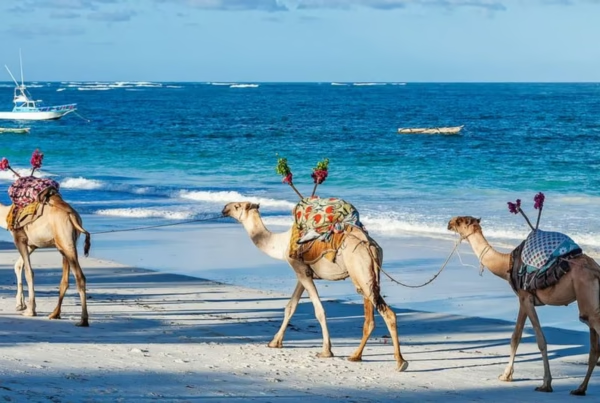
Adjust this list according to your safari activities. Gorilla trekking and mountain hiking require different footwear from a traditional game-drive safari. Beach extensions also require a few additional items.
Plan Your Safari
Carry-on-only safari travel requires thoughtful packing, not complicated packing. Choose versatile clothing, limit your shoes, and pack only the equipment you genuinely need.
Plan around laundry when you travel for several days. Check every domestic flight’s baggage rules before departure. Most importantly, pack according to your actual itinerary rather than your fears about what you might need.
A lighter bag makes safari travel easier. You can move between lodges with less effort and board small aircraft without unnecessary baggage concerns. With the right preparation, everything you need can fit into one well-organized carry-on.
Your safari should focus on wildlife, landscapes, and unforgettable experiences. Smart packing helps you spend less time managing luggage and more time enjoying the African wilderness.