Sea Turtle Watching Kenya Tanzania: Nesting, Hatching, and Snorkelling
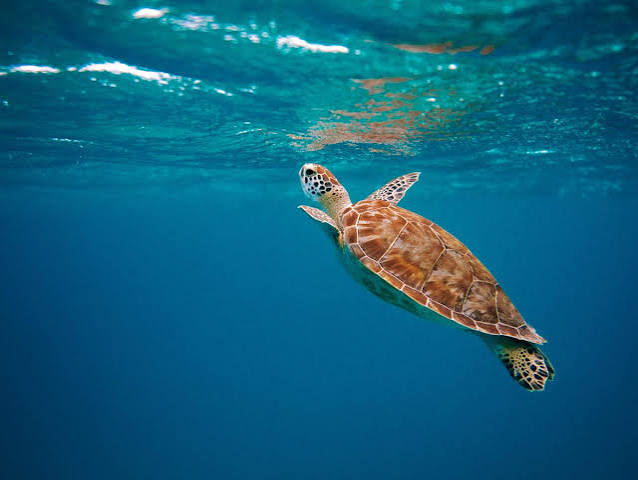
East Africa’s coast hosts two resident sea turtle species year-round. Green turtles graze on seagrass beds in sheltered coastal lagoons. These meadows stretch from Watamu all the way to Zanzibar. Hawksbill turtles feed on sponges and coral invertebrates on the offshore reefs. Both species nest on East Africa’s beaches during specific seasonal windows. The nesting and hatching periods bring these ancient reptiles onto land. Snorkelling beside a resting green turtle on a seagrass bed provides a remarkable underwater encounter. Watching it crop vegetation with its powerful beak is unforgettable. No reef fish observation matches the scale of this experience.
Nesting and Hatching at Watamu
Watamu Beach in Kenya hosts one of the coast’s most monitored nesting populations. Green and hawksbill turtles nest on Watamu’s beaches from March through August. Local Ocean Conservation staff patrol the beaches nightly during nesting season. They locate new nests, protect them from predators, and record GPS positions for each clutch. Nesting females come ashore at night. They excavate a nest chamber with their rear flippers. They deposit 80 to 130 eggs before covering the nest and returning to the sea. The entire process takes 45 to 90 minutes. Guided night beach walks allow visitors to observe nesting turtles from a safe distance.
Hatching occurs 50 to 60 days after laying. Hatchlings emerge together as a group. They orient toward the sea using the horizon’s reflected light. Guided hatching walks operate on a standby basis. When a nest shows signs of imminent hatching, participants receive an early-morning call. They assemble on the beach within 30 minutes. The hatchlings’ emergence and dash to the water is one of East Africa’s most emotional observations. Moreover, the scale of loss during that dash makes clear why adult turtles are such a conservation priority. Seventy percent of hatchlings are taken by crabs, birds, and fish before reaching safe depth.
Snorkelling With Turtles at Mnemba Atoll
Mnemba Atoll sits 5 kilometres off Zanzibar’s north-east coast. It carries one of the Indian Ocean’s most accessible green turtle snorkel populations. The atoll’s seagrass meadows and shallow reef flats provide ideal grazing habitat. Green turtles feed here throughout the day. They also rest on the reef between feeding sessions — stationary, calm, and approachable. A slow-moving, non-pursuing snorkeller can close to within 2 to 3 metres. The atoll’s protected marine area status limits boat access. This keeps disturbance levels low. As a result, turtles here show far less flight response than populations at heavily visited sites.
Conservation Significance
Both green and hawksbill turtles are globally threatened species. Green turtles are classified as Endangered. Hawksbill turtles are Critically Endangered. East Africa’s nesting beaches rank among the most important green turtle breeding sites in the western Indian Ocean. Local conservation organisations run nest protection and long-term monitoring programmes. Visitor entrance fees to marine national parks directly fund this work. Furthermore, dive and snorkel operator donations support the monitoring infrastructure. Choosing conservation-accredited operators for turtle encounters keeps these programmes viable.
Plan Your Safari
Kenya’s Watamu is the best base for guided turtle nesting and hatching experiences. Tanzania’s Mnemba Atoll snorkel day trips depart from Zanzibar’s north-east coast camps. Mafia Island Marine Park provides the most pristine turtle snorkel environment in Tanzania. It is accessible by flight from Dar es Salaam. Any of these destinations integrates naturally into a Kenya or Tanzania safari coastal extension of two to four nights.
African Wild Trekkers designs Kenya and Tanzania coastal itineraries combining sea turtle encounters with marine park snorkelling. Contact us to plan a safari that explores East Africa’s extraordinary coastal wildlife alongside the savanna circuit.