Wreck Dive Tanzania: Exploring Zanzibar’s Underwater Shipwrecks
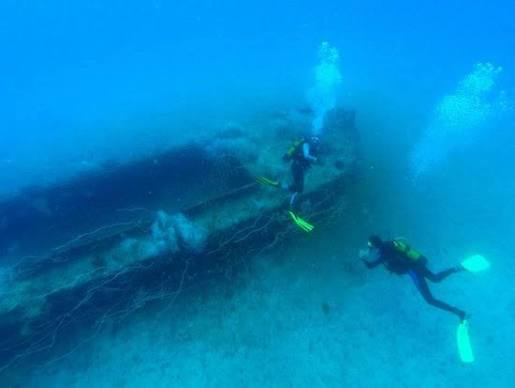
Shipwrecks transform into artificial reefs within years of sinking. Hard corals colonise the metal structure first. Sponges and soft corals follow on surfaces that hard corals cannot grip. Fish move in to use the structure as shelter and hunting ground. Within a decade, a wreck carries more marine life per square metre than most natural reef sections nearby. Zanzibar’s wrecks deliver this density of marine life alongside the vessel’s historical story. That human narrative adds a dimension that a natural reef never carries. Moving through a wreck at 20 to 30 metres companionways encrusted with coral, holds occupied by fish delivers an experience unlike any other dive type.
The Pegasus Wreck: Zanzibar’s Most Dived Site
The MV Pegasus sits upright on the sandy bottom at 28 metres depth. It lies 2 kilometres off Stone Town’s northern waterfront. The vessel is a retired cargo ship that sank in the late twentieth century. Its intact superstructure and accessible cargo holds suit Open Water divers. The Pegasus now carries extensive hard and soft coral coverage on its upper structures. Napoleon wrasse patrol the wheelhouse. Lionfish occupy the cargo hold entrance. Fusiliers school in dense columns above the main deck. Furthermore, visibility frequently exceeds 20 metres on the incoming tide. These are the best conditions for photographing the wreck’s silhouette against the open blue water.
Pemba Island’s Deep Wrecks
Pemba Island sits 70 kilometres north-east of Zanzibar. It carries several wrecks in deeper water for experienced divers. Pemba’s underwater topography is more dramatic than Zanzibar’s. The island sits on the edge of the Pemba Channel. That channel drops to 800 metres within a few kilometres of the shore. Deep wrecks at Pemba attract pelagic species that shallower Zanzibar wrecks do not see. Hammerhead sharks patrol the channel margins above deep wrecks at 30 to 40 metres. Additionally, Pemba’s limited tourist traffic means its wrecks remain in better condition. Heavily visited equivalents elsewhere in the Indian Ocean show far more structural degradation.
Marine Life on Wrecks
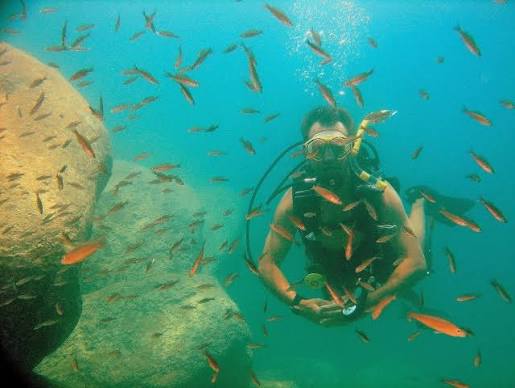
Wrecks attract specific species assemblages that differ from natural reef communities. Lionfish are the most consistent wreck-associated species in Tanzania’s waters. They hunt shadow zones under deck overhangs and within open cargo holds. Scorpionfish rest motionless on rust-encrusted metal surfaces. They camouflage themselves using their textured skin pattern. Moray eels occupy the narrow spaces between corroded hull plates. On the wreck’s exterior, blue-spotted stingrays rest on the sandy bottom around the hull base. Above the wreck, trevally and barracuda hunt the fusilier schools. Each wreck develops its own community character over time. Regular divers develop individual familiarity with each site’s species assemblage.
Plan Your Safari
Zanzibar’s wreck dives are accessible from all Stone Town-area dive centres and from north coast camps near Nungwi. The Pegasus suits Open Water certified divers with 10 or more logged dives. Pemba Island’s deeper wrecks require Advanced Open Water certification and current experience. Adding two nights on Pemba to a Zanzibar extension creates a complete Tanzania coast diving itinerary.
African Wild Trekkers includes Zanzibar and Pemba Island dive extensions in Tanzania safari itineraries. Contact us to plan a Tanzania safari combining the northern circuit wildlife with East Africa’s finest wreck and reef diving.