Cave Dive Pemba Island: Tanzania’s Most Advanced Underwater Dive Sites
Pemba Island sits on the edge of one of the Indian Ocean’s deepest channels. The Pemba Channel drops to 800 metres within a few kilometres of the western shore. This dramatic geography creates dive conditions found nowhere else in Tanzania. Vertical reef walls drop into the deep blue. Strong tidal currents drive nutrient-rich water upward from depth. An underwater cavern and overhang system along the north coast rewards experienced divers. It offers the most dramatic dive topography in East Africa. Pemba remains one of the Indian Ocean’s least dived islands. Its small visitor numbers and demanding conditions have kept it pristine.
Pemba’s Underwater Caverns
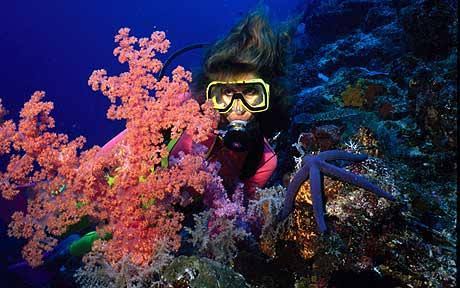
The north coast of Pemba carries a series of underwater caverns and overhangs. These are cut into the coral limestone base of the island. These are not enclosed cave systems requiring full cave diving certification. They are open caverns and swim-throughs open at both ends or open to daylight from above. Advanced Open Water certification and overhead environment experience are required. The largest cavern systems reach 30 metres in length and drop to 25 metres. The interior is colonised by sea fans, crinoids, sponges, and invertebrates. Their food supply arrives on the current rather than from sunlight. Additionally, nurse sharks and resting turtles use the cavern floors as daytime resting sites.
The Hammerhead Aggregation
Pemba’s channel margins attract hammerhead sharks between November and March. Scalloped hammerheads aggregate on specific underwater topographic features. Seamount tops and channel walls concentrate the tidal current and draw them in. Dive sites on Pemba’s south-west corner produce hammerhead sightings at 25 to 35 metres. A patrol of 5 to 20 hammerheads cruising a current-swept wall is extraordinary. It ranks among the most dramatic large animal encounters in the western Indian Ocean. However, these dives demand genuine current experience. The tidal flow on these sites regularly exceeds one knot. Divers without strong current experience find these conditions extremely difficult.
Reef Wall Diving
Pemba’s western wall dives deliver the island’s most accessible advanced diving. The reef starts at the surface and drops vertically to 40 metres. Below that it shelves into the channel. Visibility on incoming tide exceeds 30 metres. The wall carries dense hard coral cover in the upper 15 metres. Below that, sponge and sea fan coverage takes over. Pelagic fish tuna, rainbow runner, and wahoo use the wall as a reference point. Dogtooth tuna patrol the mid-water column above the drop-off edge. Furthermore, the wall’s depth range suits both Open Water and Advanced divers on different sections.
Plan Your Safari
Pemba Island is accessible from Zanzibar by small aircraft or fast boat. The flight takes 15 minutes. The boat takes approximately 2 hours. Fly-in dive camps on Pemba’s north coast operate full-service dive centres. A minimum of 3 nights allows exploration of wall diving, cavern diving, and wreck diving across different sites. Advanced Open Water certification is recommended for Pemba diving in general. Full cave diving certification is not required for the cavern sites.
African Wild Trekkers arranges Pemba Island fly-in dive camp stays within Tanzania coastal safari extensions. Contact us to plan a Tanzania safari that includes the finest advanced diving in the western Indian Ocean.