From Sustainable to Regenerative: A Necessary Evolution
Regenerative travel in Africa represents a meaningful evolution beyond the sustainable tourism framework that dominated conservation-linked travel discourse for the past two decades. Sustainable tourism, at its most rigorous, aimed to ensure that travel did not cause net harm — that the ecosystems, communities, and cultural environments that made destinations valuable were not degraded by tourist activity. This was a meaningful baseline that many operators still fail to meet, but it was inherently defensive: the goal was to prevent damage rather than to actively improve the condition of places and people that tourism engages with. Regenerative travel asks a fundamentally different question — not how do we avoid making things worse, but how does travel actively make ecosystems healthier, communities more resilient, and cultures more vibrant than they would be without tourism’s engagement? In the African safari context, where tourism revenues have historically been the primary economic mechanism sustaining wildlife conservation, this question has particular urgency and particular traction, because the connection between visitor expenditure and conservation outcome is more direct and more measurable in East and southern Africa than almost anywhere else on earth.
The terminology of regenerative travel has moved from academic conservation biology — where the concept of regenerative ecosystem management has been influential since the 1990s — into mainstream travel discourse rapidly since around 2020, partly driven by growing traveller sophistication around sustainability claims and partly by a recognition within the conservation community that sustainable tourism’s defensive framing was insufficient for the scale of the challenges facing African wildlife and communities. If a safari operation successfully prevents its own impact from degrading a wildlife area, that is commendable — but it does nothing to address the broader landscape-level threats from agricultural expansion, climate change, and human-wildlife conflict that are eroding the wildlife areas surrounding even the best-managed tourism operations. Regenerative travel asks operators, travellers, and the tourism system as a whole to actively contribute to reversing these broader trends rather than simply moderating the industry’s own direct footprint.
What Regenerative Tourism Looks Like in Practice
Ecosystem Restoration and Community Investment
Operators Leading Regenerative Practice
Several African safari operators have moved substantially beyond sustainable tourism principles to implement programmes that are genuinely regenerative in the biological and social sense. Singita’s partnership with the Grumeti Fund in Tanzania’s western Serengeti represents one of the most comprehensive examples: the tourism operation funds not only the conservation of land under its direct management but actively supports the ecological restoration and anti-poaching management of a much larger surrounding landscape — the Grumeti Community Areas — through direct investment in ranger training, community employment, school infrastructure, and healthcare facilities for 23 surrounding villages. The result over 20 years of operation has been measurably higher wildlife densities both within and outside Singita’s formal reserve boundaries, demonstrating that tourism investment directed beyond the immediate operation boundary can regenerate wildlife populations at landscape scale rather than simply protecting a premium enclave within a degraded broader matrix.
African Parks’ management model, applied across 22 protected areas in 12 African countries, operationalises regenerative principles through a consistent approach: take over management of severely depleted or dysfunctional protected areas, implement intensive wildlife restoration programmes, build genuine community partnerships with surrounding populations, develop ecotourism operations that fund ongoing conservation, and transfer management capacity to national governments once sustainable operating systems are established. The transformation of Malawi’s Majete Wildlife Reserve from a nearly empty landscape after decades of poaching to a thriving Big Five ecosystem within eight years of African Parks’ management demonstrates what regenerative investment at the appropriate scale and duration can achieve. Tourism revenues from Majete’s Thawale Lodge now fund the majority of the reserve’s operating costs, creating a self-sustaining regenerative cycle where excellent wildlife supports tourism that funds the conservation enabling wildlife to continue recovering — exactly the virtuous feedback loop that regenerative tourism theory describes but that is rarely implemented with sufficient investment and rigour to actually materialise.
Community-Led Regenerative Tourism Models
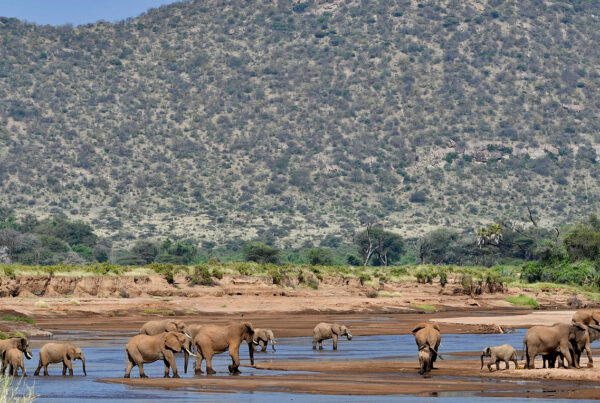
The most deeply regenerative African tourism models are those where local communities are not beneficiaries of tourism revenue distribution but active decision-makers in tourism development, wildlife management, and land use planning — a distinction that matters enormously for long-term programme sustainability. The Northern Rangelands Trust community conservancy model in Kenya, which now encompasses over 43 conservancies covering 10.5 million acres of land owned and managed by Samburu, Borana, Rendille, and other pastoral communities, demonstrates that community control of tourism development produces both better conservation outcomes and more equitable economic benefit than tourism models where operators capture value from community land without genuine community governance involvement. Conservancy members in Northern Rangelands Trust areas vote on tourism development decisions, set the terms under which operators access their land, receive dividends from tourism revenues, and employ rangers from their own communities to protect wildlife that they have collectively decided is valuable enough to maintain rather than convert to agricultural use — a decision that is re-evaluated continuously based on whether tourism and wildlife livelihoods genuinely outperform alternative land uses for their families.
Rwanda’s Ibyiwacu Cultural Village adjacent to Volcanoes National Park illustrates how regenerative tourism can address the human dimensions of wildlife conservation by converting former poachers into tourism guides and cultural performers whose income from tourism exceeds what they previously earned from illegal hunting. Ibyiwacu was established specifically to give men from communities with poaching histories a legitimate income alternative that makes their continued involvement in wildlife crime economically irrational, while simultaneously creating a tourism product — cultural immersion experience in traditional Rwandan homestead life — that enriches the gorilla trekking itinerary with human context that the forest encounter alone cannot provide. Former poachers who know the forest intimately from years of illegal activity become outstanding guides who can explain animal behaviour, track gorilla families with skill developed over decades, and bridge the experiential gap between wildlife observation and cultural understanding that most safari travellers feel after returning from a gorilla trek wondering about the community context they moved through.
The Regenerative Traveller’s Role
How Individual Travel Choices Create Regenerative Impact
Regenerative travel is not only an operator responsibility — it describes a way of travelling that individual visitors can adopt regardless of which operator or accommodation they book. The core shift is from tourism as consumption to tourism as investment: asking not “what experiences can I extract from this place?” but “what genuine contribution does my presence here make to the places and people I engage with?” This reframing produces different choices throughout the travel planning and execution process. It means selecting accommodation with verified community benefit structures rather than simply the best-reviewed lodge on a booking platform. It means purchasing locally produced crafts directly from the artisans who made them rather than from airport souvenir shops that capture most of the margin. It means choosing guide services from community-based enterprises rather than the most visible international operators. It means eating at local restaurants at least occasionally rather than exclusively within lodge dining rooms whose supply chains may or may not connect to local agriculture. And it means engaging with the cultural and agricultural context of the places you visit rather than exclusively with their wildlife, because regenerative impact in African tourism landscapes requires economic diversification beyond wildlife viewing that tourism choices can directly support.
The most meaningful regenerative contribution many safari travellers can make is extending their time in Africa — staying longer, spending more on local experiences rather than on flights to additional destinations, and building relationships with specific places over multiple visits rather than perpetually accumulating new destination checkmarks. The economic value of a traveller who returns to the same community conservancy or wildlife area over multiple years, who knows staff members by name, who contributes to the same schools and ranger programmes repeatedly, and who generates social capital within the communities they engage with that goes beyond transactional exchange is qualitatively different from the value of a one-time visitor who moves through quickly and efficiently. The carbon argument for longer stays with fewer flights points in the same direction as the regenerative engagement argument — both suggest that depth of engagement with fewer destinations produces more positive outcomes than breadth of destination coverage through frequent long-haul travel.
Measuring Regenerative Impact: What to Ask Operators
Travellers who want to ensure their safari spend is genuinely regenerative rather than merely sustainable need to ask operators specific questions that go beyond the standard sustainability checklist. What percentage of staff are hired from communities immediately adjacent to the wildlife areas where you operate? What proportion of your food and supply procurement is sourced from small-scale local producers versus imported from urban distribution chains? Can you show me independently verified data on wildlife population trends in the landscapes your tourism funds protect? What governance mechanisms give surrounding communities genuine decision-making authority over how tourism development proceeds on their land, and how have community members used that authority in recent years? What specific ecosystem restoration activities have been implemented using tourism revenues, and what measurable outcomes have been achieved? Operators who can answer these questions with specific data and examples are likely implementing genuine regenerative practice. Operators who respond with vague language about community partnerships and environmental commitment without supporting specifics are probably not.
The Regenerative Travel certification network, which evaluates tourism businesses against a comprehensive framework of social, ecological, and economic regeneration criteria, publishes its certified member list publicly and provides the most rigorous third-party framework currently available for identifying genuinely regenerative operators across Africa and globally. B Corp certification, while not safari-specific, provides another marker of comprehensive social and environmental commitment for operators who have undergone the lengthy and detailed assessment process it requires. The Long Run’s Global Tourism Business certification specifically evaluates conservation enterprises against integrated criteria covering conservation outcomes, community benefit, cultural respect, and economic sustainability — making it perhaps the most relevant third-party framework for African safari operators claiming regenerative credentials. Asking operators directly which certification frameworks they participate in and examining those certifications’ requirements provides a structured way to evaluate sustainability claims against independent standards rather than relying solely on self-reported marketing language.
Plan Your Safari
A regenerative safari is a better safari in every dimension that matters beyond personal enjoyment: it supports wildlife populations that your grandchildren might be able to see, it strengthens communities whose relationship with the land creates the cultural texture that makes Africa genuinely remarkable rather than simply scenically dramatic, and it contributes to the economic conditions under which wildlife has a future in competition with agriculture, pastoralism, and extractive industries for the land it needs to survive.
African Wild Trekkers selects operators and accommodations based on the depth and verifiability of their conservation and community commitments, not solely on guest experience ratings. We can share specifics about which of our partner lodges and conservancies are implementing genuinely regenerative programmes and why we consider those programmes credible, allowing you to make informed booking decisions that align your travel spending with your values.
Contact African Wild Trekkers at africanwildtrekkers.com/contact with your travel priorities and we will design a safari where the regenerative impact of your visit is as carefully planned as the wildlife encounters — because the best reason to visit Africa is a future in which Africa is still worth visiting.