African Wild Dog Conservation: Why the Painted Wolf Needs Our Help
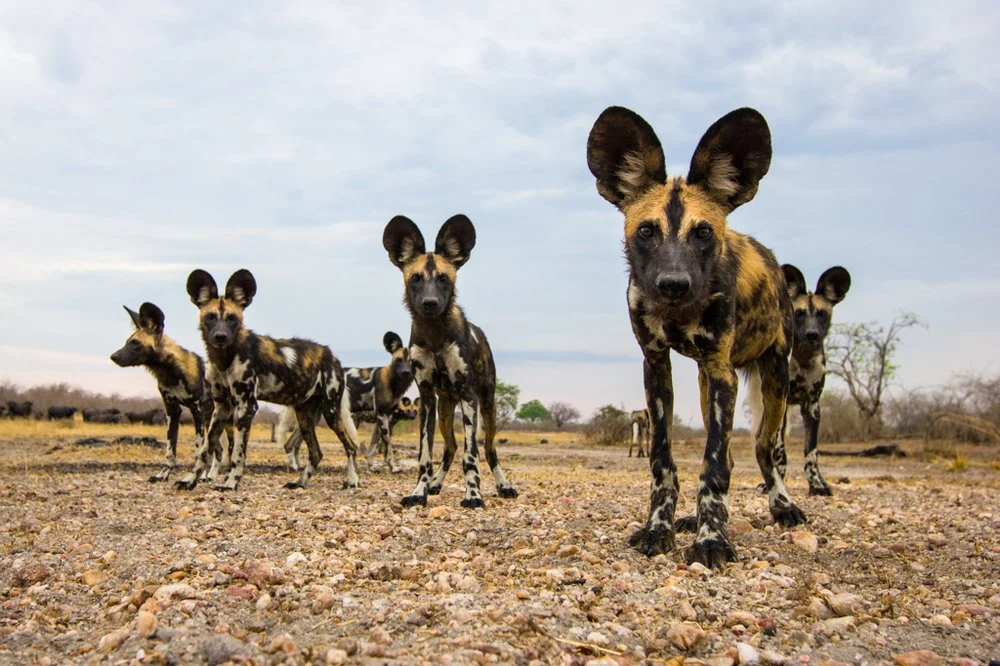
By 1990, fewer than 5,000 African wild dogs survived across the continent. The species had disappeared from more than 95 percent of its historic range. Wild dogs vanished from most of North, West, and Central Africa.
Their decline happened quickly. It pushed the African wild dog to the edge of extinction. Today, conservation efforts continue to rebuild populations across key landscapes.
How African Wild Dogs Lost Their Range
Three major factors caused the dramatic decline of African wild dogs.
The first was direct persecution. Farmers, hunters, and wildlife managers often viewed wild dogs as pests. Many governments encouraged their removal. South Africa even paid rewards for wild dog carcasses until the 1970s. Thousands of animals died because people believed they reduced game populations.
The second factor was habitat loss. African wild dogs need vast territories that range from 400 to 1,500 square kilometers for each pack. As farming expanded and human settlements increased, suitable habitat became smaller and more isolated.
Many packs crossed farmland while searching for food or mates. These movements often brought conflict with people. Small, isolated populations also lost genetic diversity, which increased the risk of inbreeding.
The third threat came from disease. Domestic dogs spread rabies and canine distemper to wild dog populations. A single outbreak can destroy an entire pack. During the early 1990s, canine distemper caused major losses among East African wild dogs, including populations linked to the Serengeti ecosystem.
Current Population and Distribution
Conservation programs have helped the species recover in several regions. Scientists now estimate the global population at about 6,600 to 7,000 individuals. These animals survive in 39 separate populations across Africa.
Southern Africa supports the largest remaining populations. Zimbabwe’s Hwange ecosystem, Botswana’s Okavango-Chobe region, South Africa’s Kruger ecosystem, and Tanzania’s Nyerere National Park hold important strongholds.
East Africa supports smaller populations. Kenya’s Laikipia Plateau protects about 60 wild dogs. Tanzania’s Nyerere ecosystem holds the region’s largest population, with approximately 1,300 individuals.
Conservation Success Stories
Successful conservation programs share several important strategies.
Community conservation has transformed local attitudes toward African wild dogs. Tourism creates income for communities that protect wildlife. As a result, many communities now value living wild dogs more than dead ones.
Kenya’s Laikipia conservancies provide one of Africa’s best conservation examples. Tourism revenue supports local livelihoods while encouraging people to protect wildlife and habitat.
Veterinary programs have also improved survival rates. Conservation teams vaccinate domestic dogs near protected areas to reduce the spread of rabies and canine distemper.
Wildlife managers also move wild dogs between isolated populations. These carefully planned translocations improve genetic diversity and strengthen long-term population health.
Researchers monitor many packs using GPS collars and camera traps. These tools help track movements, detect disease outbreaks, and guide conservation decisions.
The Role of Tourism in Wild Dog Conservation
Responsible safari tourism plays a vital role in protecting African wild dogs.
Visitor spending supports ranger patrols, veterinary care, research, and community conservation programs. Tourism also provides sustainable income for conservancies that protect wild dog habitat.
In Kenya’s Laikipia Plateau, tourism directly funds wild dog monitoring and community outreach projects. In Tanzania’s Nyerere National Park, safari fees help finance wildlife protection across one of Africa’s largest remaining wild dog landscapes.
Every safari focused on African wild dogs contributes to their long-term survival. Responsible travel creates direct benefits for wildlife and the communities that share the landscape.
Plan Your Safari
Tanzania’s Nyerere National Park offers some of Africa’s finest wild dog viewing opportunities. The park’s open floodplains allow guides to follow hunting packs across vast wilderness areas.
Kenya’s Laikipia Plateau provides another outstanding destination. Its community conservancies offer uncrowded wildlife experiences while supporting one of East Africa’s most successful wild dog conservation programs.
A safari to either destination allows visitors to experience one of Africa’s rarest predators while contributing directly to its conservation.
African Wild Trekkers designs wild dog safaris in Tanzania and Kenya specifically around current pack locations and activity reports. Contact us to plan a safari that supports painted wolf conservation while delivering an extraordinary wildlife experience.