Anti-Poaching Patrol Africa: How Rangers Protect East Africa’s Wildlife on the Ground
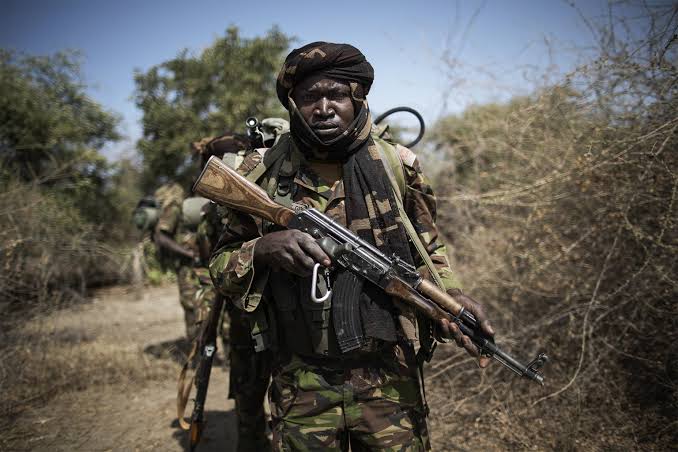
East Africa’s wildlife exists because rangers walk through the bush every day and night to protect it. This statement is not rhetorical — it is operational fact. In every protected area without effective ranger patrols, wildlife populations decline predictably. In protected areas with well-funded, well-equipped, and well-led ranger teams, wildlife populations recover. The connection between ranger effort and wildlife survival is among the best-documented relationships in conservation science. Anti-poaching patrol is not a dramatic Hollywood narrative of armed conflict with organised criminal networks — though that dimension exists in some areas. It is primarily the patient, systematic daily work of rangers walking patrol routes, collecting data, removing snares, and maintaining a human presence in the bush that makes poaching economically and logistically difficult. Understanding this work transforms how safari visitors perceive the wildlife they encounter.
How a Ranger Patrol Works
Modern ranger patrols use a technology platform called SMART — Spatial Monitoring and Reporting Tool — to record patrol data in real time on handheld GPS units. Rangers enter observations — snare found and removed, animal seen, patrol route completed — as they walk. This data uploads to a central management system that maps patrol coverage, identifies areas of low coverage, and tracks poaching incident patterns over time. As a result, management teams can direct increased patrol effort to areas with rising snare density or recent poaching incidents. The SMART system has transformed ranger patrol from an activity that leaves no verifiable record to one that generates accountability data directly usable for resource allocation and performance management.
Patrol routes cover each area of a protected area systematically — the frequency depending on the threat level and ranger capacity. High-risk areas near boundary communities with active snaring pressure receive daily patrol coverage. Lower-risk interior areas receive patrol coverage several times per week. A ranger team on a full-day patrol typically covers 15 to 25 kilometres, removes any snares encountered, records all wildlife observations, and reports any suspicious human activity. Additionally, rangers conduct community outreach meeting with farmers at the park boundary, attending community meetings, and maintaining the relationships that provide intelligence about planned poaching activity.
Rhino and Elephant Protection
Kenya’s rhino protection model at Ol Pejeta Conservancy and Lewa Wilderness represents the most intensive anti-poaching operation in East Africa. Each rhino in these conservancies carries an individual identification profile known ear notch patterns, horn dimensions, and GPS collar data. Rangers track specific animals daily. Any unexplained absence triggers an immediate response. Night patrols use thermal imaging to detect human movement in rhino grazing areas. The model succeeds Kenya’s rhino population has grown consistently for two decades while rhino numbers across the continent remained under severe pressure.
Visitor Participation and Support
Several East Africa conservancies offer ranger patrol accompaniment programmes for safari visitors. Participants join a ranger team for a two to four hour patrol section, walking the patrol route, observing snare detection and removal techniques, and learning the data recording system. The experience is informative, mildly physical, and deeply engaging for visitors who want to understand conservation work beyond the game drive. Furthermore, visiting conservancies that pay rangers well, provide good equipment, and invest in ranger welfare supports the anti-poaching infrastructure that protects the wildlife the visitor came to see.
Plan Your Safari
Kenya’s Ol Pejeta and Lewa conservancies offer ranger accompaniment and anti-poaching education programmes for guests. Tanzania’s African Wildlife Foundation and Frankfurt Zoological Society managed areas in Selous-Nyerere and the Serengeti ecosystem run ranger patrol support programmes accessible through specific camps. Uganda’s Uganda Wildlife Authority runs ranger training programmes at several national parks with visitor education components. Booking camps that operate their own ranger teams — rather than relying solely on national park patrols — supports the highest standards of wildlife protection in each area.
African Wild Trekkers selects East Africa camps that invest in conservation and ranger capacity. Contact us to plan a safari that supports the anti-poaching work protecting East Africa’s wildlife for future generations.