Rwanda 1994 History: Understanding the Genocide Against the Tutsi
Understanding Rwanda’s 1994 history is essential for any visitor who wants to engage honestly with the country. The Genocide Against the Tutsi began on 7 April 1994, one day after the plane carrying President Juvénal Habyarimana was shot down near Kigali Airport. Within hours, organised killings began across Rwanda. Over the next 100 days, extremist forces carried out one of the fastest and most devastating genocides in modern history.
During this period, attackers killed an estimated 800,000 to one million Tutsi and moderate Hutu. The genocide ended in July 1994 when the Rwandan Patriotic Front (RPF) captured Kigali and stopped the killings. The RPF then established a government that focused on rebuilding the country and restoring national stability. The scale and speed of the violence placed Rwanda among the most intense cases of mass killing ever recorded.
Origins and Preparation
The genocide did not happen suddenly. Instead, extremist leaders within President Habyarimana’s government planned and prepared the violence over many years. They created and armed the Interahamwe youth militias, who later played a major role in the killings. In addition, authorities prepared lists that identified Tutsi individuals in different communities.
Hate propaganda also helped create the conditions for genocide. RTLM radio repeatedly spread extremist messages and referred to Tutsi people as inyenzi, meaning “cockroaches.” This language deliberately removed the humanity of its targets. Consequently, it encouraged many people to view violence as acceptable or even necessary.
The colonial period also contributed to divisions that extremists later exploited. Belgian authorities transformed previously flexible social identities into fixed ethnic categories. They introduced identity cards that recorded whether a person was classified as Hutu, Tutsi, or Twa. During the genocide, these documents became tools for identifying victims at roadblocks across the country.
The International Failure
The international response to Rwanda’s genocide remains one of the most criticised failures of modern peacekeeping. In January 1994, United Nations peacekeepers under Canadian General Roméo Dallaire received information about plans for mass violence. Dallaire requested permission to seize weapons and protect vulnerable communities. However, UN officials rejected the request.
When the killings began, many international actors reduced their involvement instead of increasing protection efforts. Belgium withdrew its peacekeeping troops after attackers killed ten Belgian soldiers. Meanwhile, several foreign governments avoided publicly describing the violence as genocide while it continued.
This failure to act caused widespread international criticism after the genocide ended. The United Nations reduced its peacekeeping presence during the crisis, leaving General Dallaire and his remaining forces with limited resources. Despite these challenges, he continued efforts to protect civilians whenever possible. His later writings became some of the most important accounts of the international response during the genocide.
Remembrance and Recovery
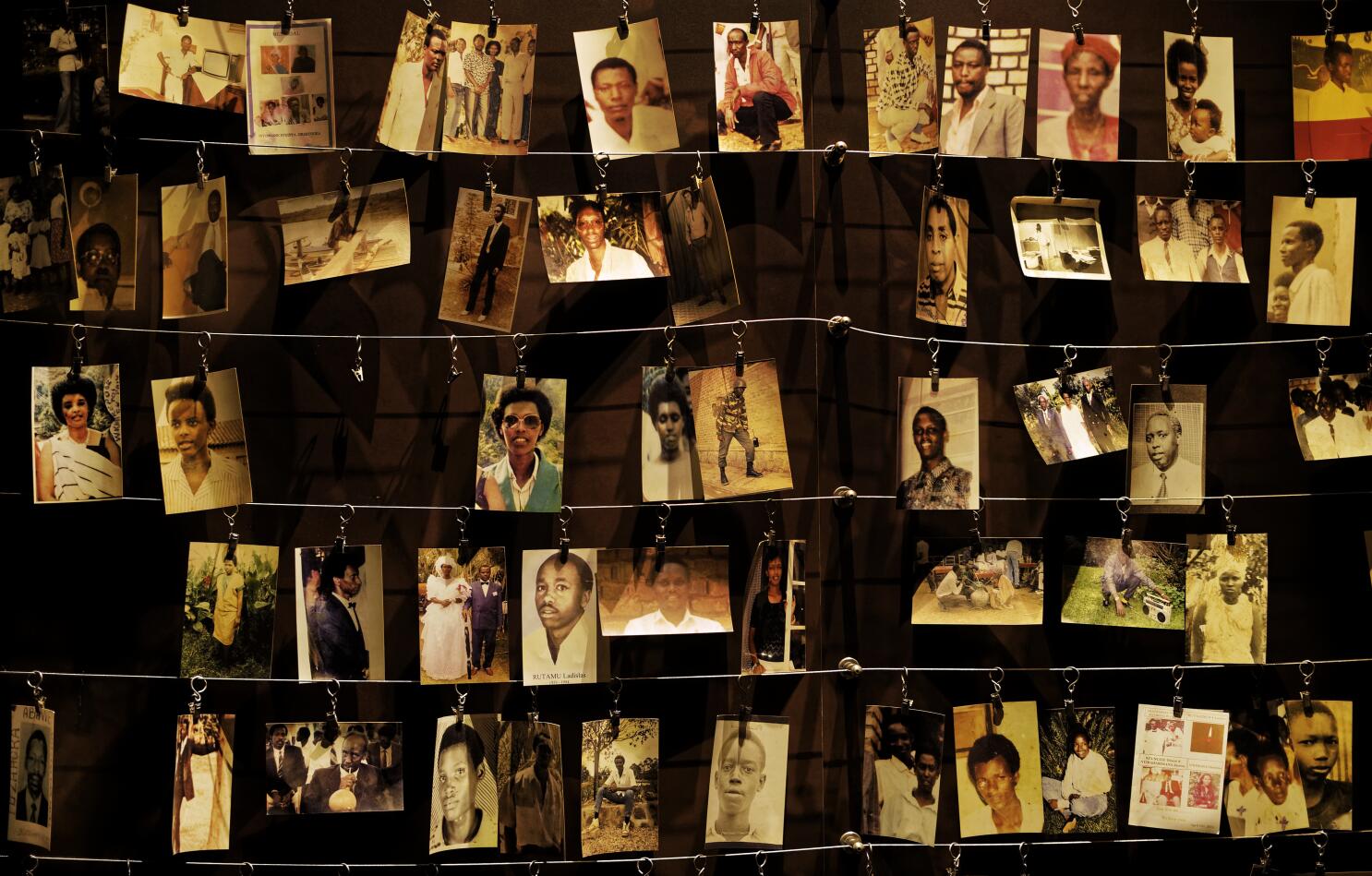
Today, Rwanda remembers the victims through the annual Kwibuka commemoration period, which begins on 7 April. During this time, communities hold memorial events across the country. The national remembrance flame burns for 100 days, representing the duration of the genocide. Furthermore, Rwandans, international visitors, and members of the diaspora participate in remembrance activities.
Rwanda has also established a network of genocide memorial sites throughout the country. These locations preserve evidence, honour victims, and educate future generations. Therefore, visitors should approach them as places of remembrance rather than ordinary tourist attractions. Memorial guides and staff help visitors understand the history with respect and sensitivity.
Since 1994, Rwanda has achieved remarkable recovery. The country has rebuilt its institutions, strengthened its economy, and promoted a national identity based on shared citizenship. However, remembrance remains central to this progress. The memorial sites are not separate from modern Rwanda. Instead, they help explain the country’s journey from tragedy toward reconstruction.
Engaging With Rwanda’s History on Safari
Learning about Rwanda’s history adds deeper meaning to every safari experience. The clean streets of Kigali, the recovery of wildlife in Akagera National Park, and the warmth of Rwandan communities all reflect the country’s transformation.
Furthermore, understanding Rwanda’s past helps visitors appreciate the scale of its achievements today. A safari in Rwanda offers more than gorilla trekking, wildlife encounters, and beautiful landscapes. It also provides an opportunity to understand a nation that continues to rebuild, remember, and move forward.
African Wild Trekkers designs Rwanda safari itineraries that include memorial site visits and honest engagement with the country’s history. Contact us to plan a Rwanda safari that approaches the country’s story with the depth and respect it deserves.