Mulindi Tea Rwanda: The Historic Estate Where Tea and History Intertwine
The Mulindi tea estate in Rwanda’s Byumba district is one of the most historically significant agricultural properties in the country. It combines active tea production with a location of profound national meaning. Mulindi served as the headquarters of the Rwandan Patriotic Front during the early 1990s. From this estate, the RPF coordinated the military campaign that ended the 1994 genocide against the Tutsi.
Today the estate produces quality tea and welcomes visitors. People come both for the agricultural experience and for the historical significance of the site. The combination creates a visitor experience unlike any standard tea farm tour. The remoteness of the location adds to the sense of weight that the site carries.
Historical Significance
The Rwandan Patriotic Front established its base at Mulindi following its October 1990 invasion from Uganda. The estate’s remote location near the Uganda border provided a defensible position during the civil war period. The estate headquarters buildings and grounds were the site of military planning and diplomatic negotiations. From here, an organization that would end the genocide and transform the country operated throughout those years.
President Paul Kagame spent extended periods at Mulindi during the RPF years. The estate holds significant personal and institutional memory for many individuals involved in Rwanda’s transformation. The site provides a physical connection to the events that shaped modern Rwanda. No museum exhibit delivers that connection as directly as standing in the landscape where it happened.
The RPF period at Mulindi is part of the broader narrative of Rwanda’s path from conflict to reconstruction. Visitors who engage seriously with Rwanda’s history find this context essential for understanding the country they see today. The estate’s dual identity as an agricultural business and historical site makes it one of Rwanda’s most layered visitor experiences.
Tea Production at Mulindi
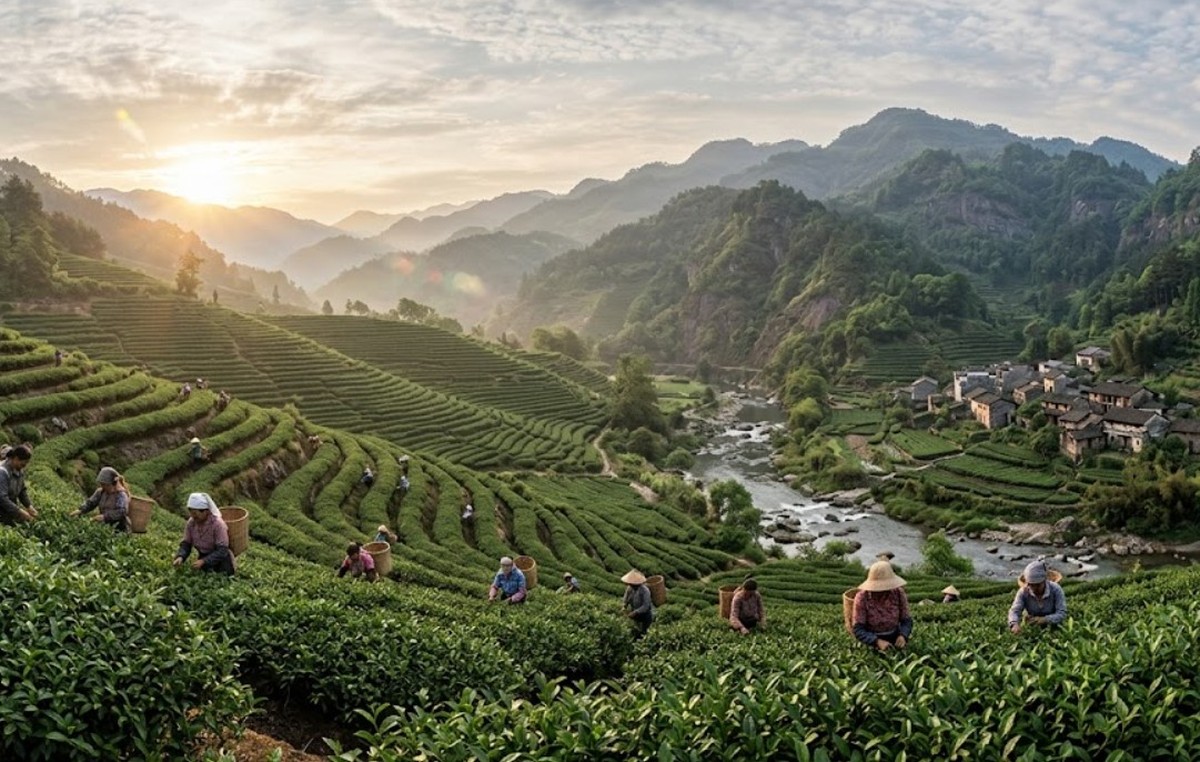
The Mulindi estate produces black tea sold through the international auction market. The growing conditions in the Byumba district at high altitude produce tea with Rwanda’s characteristic bright and brisk cup character. The estate’s tea participates in the specialty market that has developed alongside Rwanda’s broader agricultural export success.
The production cycle follows the same pattern as Rwanda’s other major tea estates. Hand picking of the top two leaves and a bud continues throughout the growing season. The processing factory transforms fresh leaves through the standard black tea production sequence. The finished product reaches the auction floor through the same export channels used by other Rwanda estates.
The estate community includes the families of tea workers who live within the estate boundaries. This residential arrangement is typical of Rwanda’s larger plantation estates. The community dimension adds a social layer to the visitor experience that extends beyond the agricultural and historical aspects of the site.
Visiting Mulindi
Mulindi is accessible by road from Kigali via Byumba in approximately 2.5 to 3 hours. The road passes through Rwanda’s northern hill country. It provides a perspective on the agricultural landscape of this less-visited part of the country. The drive itself is a genuine part of the experience.
The estate welcomes visitors with advance arrangements. Guided tours cover the tea fields, the processing factory, and the historically significant buildings of the former RPF headquarters. Combining the agricultural tour with the historical site creates a half-day to full-day visit. It suits independent travelers and tour groups with a serious interest in Rwanda’s history.
Mulindi can also serve as a stop en route between Kigali and Musanze. Adding it as a transit detour avoids the need for a separate dedicated day trip. The historical depth it adds to the northern circuit itinerary justifies the small additional travel time involved.
Plan Your Mulindi Visit
A Mulindi visit rewards visitors who engage seriously with Rwanda’s history. The estate connects the country’s agricultural present to the events that shaped the post-genocide national story. No other single site in Rwanda’s tourism landscape provides that connection as directly.
African Wild Trekkers designs Rwanda itineraries that include historically significant sites like Mulindi alongside gorilla trekking and the national park circuit. Contact us to plan a Rwanda safari that connects the country’s extraordinary wildlife with the history that makes Rwanda one of Africa’s most remarkable national stories.