Rwanda Tea Farm Visit: Exploring the Plantations That Colour Rwanda’s Hill Country
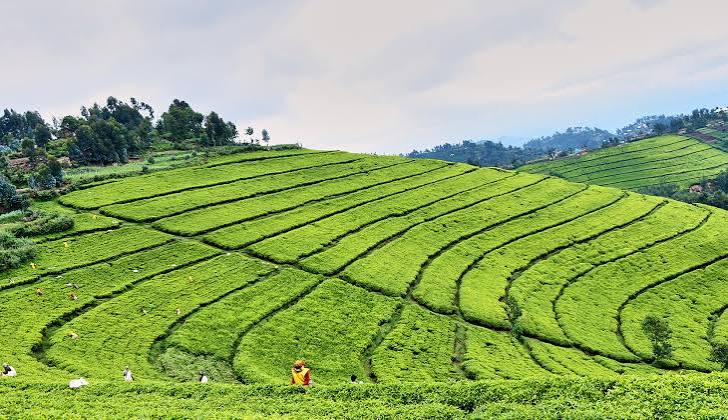
Rwanda’s tea farms are among the most visually striking elements of the country’s landscape. Bright green rows of tea bushes cover the hillsides between Musanze and the Congo Nile Trail. They extend across the Nyungwe corridor and through the highland districts of the south. This patterned green carpet is one of Rwanda’s defining visual signatures.
Rwanda’s growing conditions are exceptional for tea quality. High altitude between 1,500 and 2,500 metres combines with equatorial climate and volcanic soils. Together these factors produce tea with a bright, brisk character. That character commands premium prices in the international auction market.
Where Tea Grows in Rwanda
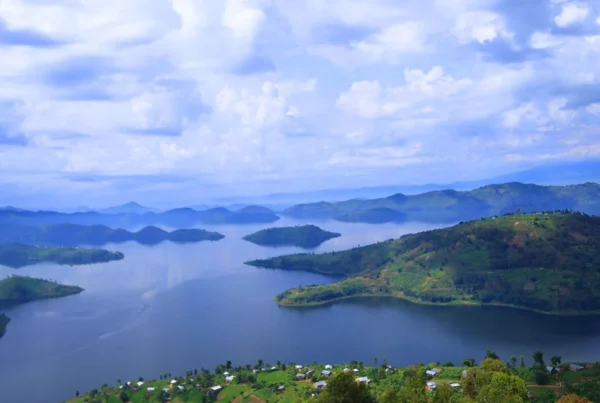
The Western Province districts along the Congo Nile Trail and Lake Kivu shore produce some of Rwanda’s most celebrated tea. Altitude, the lake’s moderating effect, and rich volcanic soils create ideal growing conditions here. Lake Kivu coffee and tea both command significant premiums in international markets. Those premiums benefit the farming communities of the western province directly.
The Southern Province, particularly around Huye and Nyaruguru, carries significant tea farming areas. The Hingakawa women’s cooperative in the south has received international recognition. Its coffee has featured in specialty publications worldwide as a model of gender-inclusive cooperative development. The southern province tea sector reflects a similar community-focused approach.
The Sorwathe tea estate at Kinihira in the Northern Province is one of Rwanda’s oldest plantations. It is the most organised for visitor tours within the country. Proximity to Musanze makes it convenient for visitors on the northern circuit. Several washing stations and factories near Musanze welcome group tours without advance booking requirements.
The Tea Farm Experience
A standard tea farm visit follows a clear sequence. A guided walk through the tea fields explains the growing and harvesting process. A factory tour shows how picked leaves are transformed into finished tea. A tasting session at the end connects the production process to the final cup.
Tea picking is performed by hand at all major Rwanda estates. Pickers collect only the top two leaves and a bud from each bush. This “two leaves and a bud” standard defines quality tea production globally. The speed and skill of experienced pickers is impressive to watch. Most estates allow visitors a brief hands-on picking attempt.
The processing factory converts fresh green leaf through withering, rolling, oxidation, and drying. The factory tour connects the field experience to the finished black tea product. Most estates provide packaged samples at the end of the visit. These make high-quality, locally produced souvenirs from a genuinely meaningful experience.
Tea and Tourism in Rwanda
Rwanda increasingly integrates tea farm visits into the safari circuit. The visits add an agricultural and economic dimension beyond the core wildlife and landscape activities. The Congo Nile Trail on Lake Kivu’s western shore passes through the heart of Rwanda’s western tea growing districts. Trekkers and cyclists on the trail pass through active tea estates for extended sections of the route.
Community-based tourism initiatives at several tea estates allow visitors to stay with tea-picking families. These homestay programs give a genuine experience of life on a working tea estate during the picking season. The community dimension goes well beyond what a factory tour alone can provide.
Plan Your Tea Farm Visit
A Rwanda tea farm visit fits naturally into the northern circuit between Kigali and Musanze, or the Nyungwe Forest circuit in the south and west. The Sorwathe estate in the north and the Gisakura estate at Nyungwe both accept organised tour groups. Neither requires advance booking for standard groups.
African Wild Trekkers includes tea farm visits in Rwanda safari itineraries connecting the northern gorilla circuit with Nyungwe Forest and Lake Kivu. Contact us to plan a Rwanda safari that includes the tea landscape alongside the country’s extraordinary gorilla and forest wildlife.