Rwanda Conservation Levy: How Tourism Revenue Funds Rwanda’s Wildlife Recovery
Rwanda has developed one of the most systematic connections between tourism revenue and conservation investment in Africa. The gorilla trekking permit at 1,500 US dollars per person is the most visible expression of this connection. A percentage of permit revenue flows directly to the communities surrounding Volcanoes National Park through the Revenue Sharing Program. This direct community benefit is one of the key factors that sustains local support for gorilla conservation.
The Revenue Sharing Program was established to address the fundamental tension between conservation and community livelihoods. Communities adjacent to protected areas bear the highest costs of conservation through crop raiding and livestock predation. Receiving direct financial benefit from the tourism that the protected area attracts changes the cost-benefit analysis at the community level. Conservation becomes a source of income rather than only a source of loss.
The Revenue Sharing Model
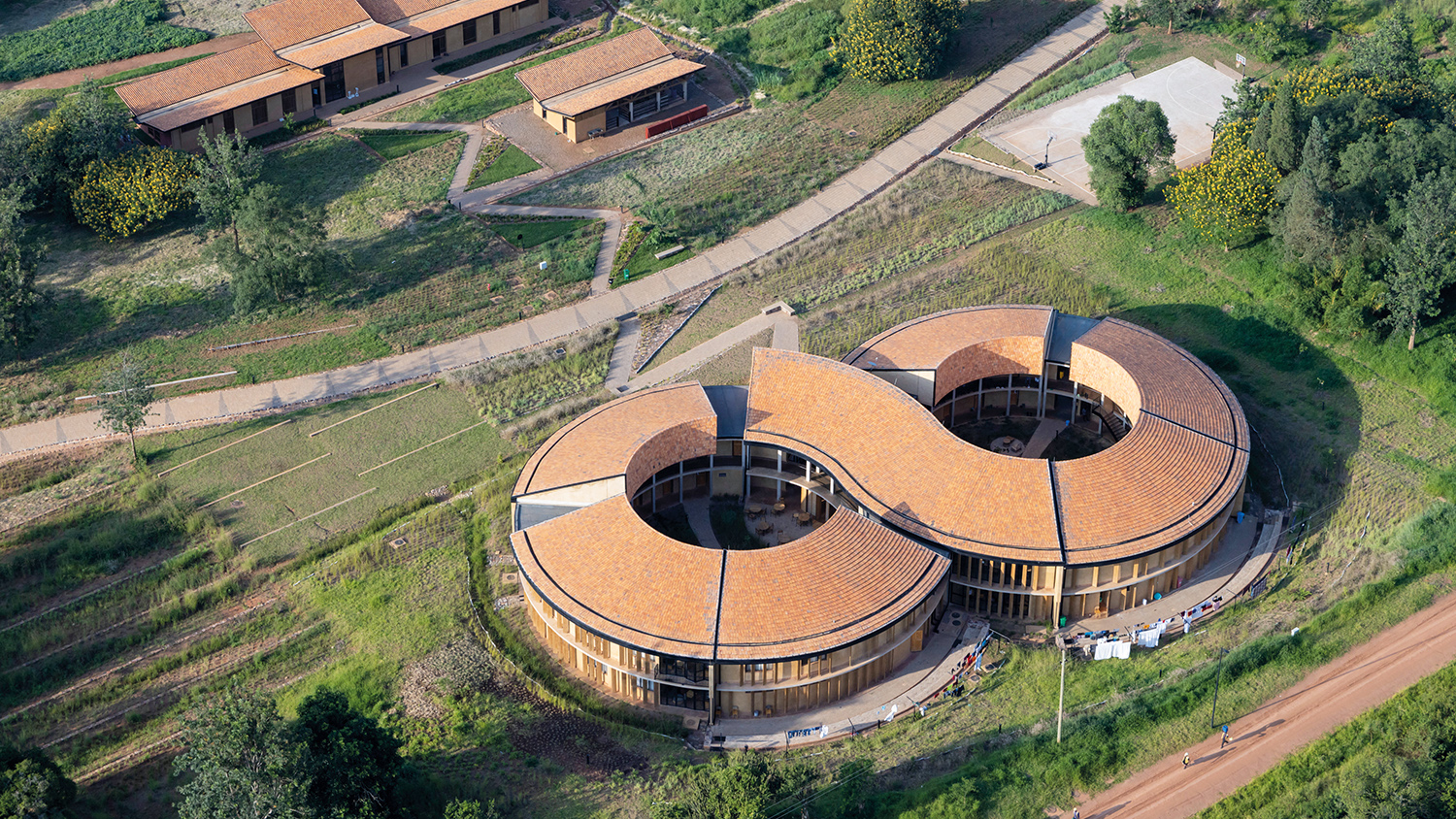
Rwanda’s Revenue Sharing Program allocates 10 percent of all national park revenue to community projects in the buffer zone surrounding the parks. For Volcanoes National Park, this revenue funds community projects including schools, health clinics, water supply, and agricultural improvement programs. The project selection process involves community consultation to identify priorities. Communities decide how to spend the funds rather than receiving prescriptions from the park authority.
The impact of Revenue Sharing on community attitudes toward gorilla conservation has been significant. Surveys conducted in communities adjacent to Volcanoes National Park show stronger support for conservation among households that have received Revenue Sharing project benefits. The program creates a tangible connection between gorilla conservation and community welfare that abstract conservation arguments about biodiversity cannot achieve.
Anti-poaching patrols in the park are funded in part through tourism revenue. Park rangers receive training, equipment, and compensation supported by the revenue generated by visitor permits. Ranger effectiveness is directly connected to resource availability. Revenue Sharing through tourism permits provides a sustainable funding base for the ranger force that protects the gorilla families that visitors pay to see.
The Broader Conservation Finance Picture
Tourism revenue alone does not fund Rwanda’s gorilla conservation fully. International donor funding from governments, conservation organisations, and individual donors supplements tourism revenue to cover the total program cost. The Dian Fossey Gorilla Fund, Wildlife Conservation Society, World Wildlife Fund, and other organisations provide funding for specific program components including research, veterinary services, and community engagement.
The mountain gorilla conservation program is one of the most transparent and well-documented in terms of its financial management. Annual reports from the Rwanda Development Board, the Fossey Fund, and other partners provide detailed accounting of how funds are used. This transparency builds donor confidence and supports continued international investment in the program.
The economic value of the mountain gorilla to Rwanda extends beyond permit revenue. The gorilla’s role as the flagship species for Rwanda’s tourism industry creates economic benefits across the entire travel and tourism ecosystem. Flights, hotels, transport operators, restaurants, craft sellers, and cultural tourism providers all benefit from gorilla-driven visitor arrivals. The gorilla’s total economic contribution to Rwanda’s economy is substantially larger than the permit revenue figure alone suggests.
Conservation Investment in Action
The mountain gorilla population growth from fewer than 250 in the 1970s to more than 1,000 in 2018 is the most direct evidence of what sustained conservation investment produces. This population recovery required decades of consistent ranger protection, veterinary intervention, community engagement, habitat management, and international advocacy. The conservation levy embedded in each gorilla permit contributes to every element of this comprehensive program.
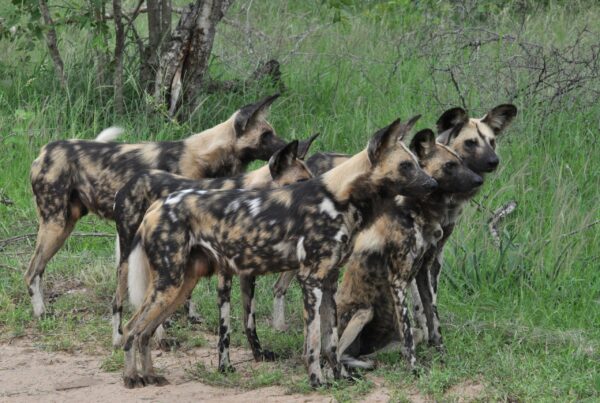
Akagera National Park’s recovery tells a similar story of investment producing outcomes. African Parks’ management since 2010, funded partly by permit revenue and partly by donor support, has produced the remarkable wildlife recovery that visitors experience in the park today. Lions, black rhino, and now wild dogs have been reintroduced. The park’s wildlife density has increased dramatically from the depleted levels of the early 2000s.
Supporting Rwanda’s Conservation Through Your Visit
Every gorilla permit purchase, every park entry fee, and every tourism spend in Rwanda contributes to the conservation system that produced the wildlife the visitor has come to experience. The conservation levy is not an add-on to a tourism product. It is the foundation of a system that Rwanda has built across three decades of deliberate policy and consistent investment.
African Wild Trekkers designs Rwanda safari itineraries that engage deeply with the conservation story behind the country’s extraordinary wildlife. Contact us to plan a Rwanda safari that participates meaningfully in the conservation investment that keeps the mountain gorilla’s recovery trajectory positive.