Maramagambo Bat Cave: Queen Elizabeth’s Underground Wildlife Spectacle
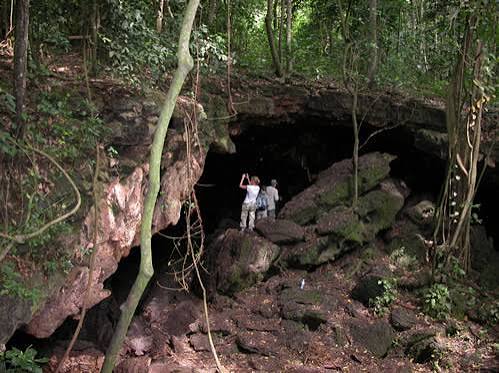
The Maramagambo bat cave inside Queen Elizabeth National Park is one of Uganda’s most unusual and most memorable wildlife experiences. Maramagambo bat cave, also known as the Python Cave, shelters a colony of Egyptian fruit bats that numbers over 150,000 individuals. Rock pythons living within the cave hunt the bat colony continuously, creating a predator-prey interaction visible from the cave entrance. The Maramagambo bat cave sits within Maramagambo Forest, a dense semi-deciduous forest block in the southern sector of Queen Elizabeth National Park. Visitors reach the cave on a short 20-minute forest walk that passes through forest habitat holding chimpanzees, L’Hoest’s monkeys, and numerous forest bird species. The complete Maramagambo bat cave experience combines forest walking, wildlife observation, and an extraordinary underground encounter in a single activity.
The Maramagambo bat cave attraction draws visitors for several reasons beyond the bat colony itself. The sight and sound of 150,000 fruit bats roosting in a limestone cave produce an experience of overwhelming sensory richness. The smell of the guano layer below the roost is powerful and immediate from the cave entrance. Rock pythons of 3 to 5 metres length coil at the cave entrance and along the roof, waiting for bats that miss the roost and fall to the floor. The Maramagambo bat cave represents one of the few sites in Uganda where visitors observe predator-prey interaction continuously rather than as a lucky game drive encounter.
The Wildlife of Maramagambo Bat Cave
Egyptian Fruit Bats at Maramagambo Bat Cave
The Egyptian fruit bat colony at Maramagambo bat cave is one of the largest single bat roost assemblies in Uganda. These bats roost throughout the day in dense clusters on the cave ceiling and walls. Their characteristic squabbling, wing-fanning, and calling creates a continuous ambient noise that visitors hear from 50 metres outside the cave entrance. Egyptian fruit bats carry pathogens including Marburg virus, which creates specific management protocols for all Maramagambo bat cave visits. Uganda Wildlife Authority guides manage visitor distance from the bat colony strictly. Visitors observe the roost from a designated cave entrance position that allows full visual access without entering the roost chamber.
The evening exodus of the Maramagambo bat cave colony at sunset is one of Queen Elizabeth National Park’s most impressive natural spectacles. Hundreds of thousands of bats stream from the cave entrance in a continuous river of movement lasting 20 to 30 minutes. The sound of wings fills the forest above the cave and the darkening sky above Maramagambo Forest fills with circling bats for several minutes after the main exodus. Planning the Maramagambo bat cave visit to arrive at the cave one hour before sunset allows time for the interior observation and positions visitors perfectly for the exodus sequence.
Rock Pythons at Maramagambo Bat Cave
African rock pythons at the Maramagambo bat cave represent some of the largest individuals of this species in Queen Elizabeth National Park. The largest recorded python at the cave reaches 5 metres in length. These pythons position along the cave entrance, on ledges above the cave floor, and occasionally in the roost chamber itself. Guides point out resting and hunting pythons throughout the visit. A python striking a bat from its roost position is the most spectacular single wildlife moment available at the Maramagambo bat cave. Pythons digest large bat meals over several days, making them visible in various stages of digestion during each cave visit.
The interaction between the Python Cave pythons and the bat colony is a complete predator-prey ecosystem within a single cave. The bat colony sustains the python population without reducing its own numbers significantly. This ecological balance has persisted at the Maramagambo bat cave over recorded time. Mongooses and civets also hunt at the cave entrance for bats that fall from the roost. The complete predator community attending the Maramagambo bat cave bat resource creates a self-contained wildlife observation site unlike anything available elsewhere in Uganda’s national park system.
Visiting Maramagambo Bat Cave
Maramagambo Forest Walk to the Bat Cave
The forest walk to the Maramagambo bat cave starts at the Maramagambo Forest Centre on the Mweya road south of Kasese. A Uganda Wildlife Authority guide leads the group on a 20-minute trail through dense semi-deciduous forest. The trail passes active chimpanzee habitat and chimpanzee calls are heard from the bat cave trail on productive mornings. L’Hoest’s monkey and red-tailed monkey inhabit the forest canopy above the trail. Blue-headed coucal, olive sunbird, and various forest weavers call from the trail vegetation throughout the walk. The Maramagambo bat cave forest walk thus provides rewarding wildlife observation even before reaching the cave itself.
The Maramagambo bat cave visit takes approximately two hours from the forest centre including the forest walk each way and 30 to 45 minutes at the cave. Afternoon departures between 15:00 and 16:00 allow visitors to time the arrival at the cave for the sunset exodus. Morning visits provide better lighting for cave interior photography and more active python hunting behaviour. Uganda Wildlife Authority collects a separate activity fee for the Maramagambo bat cave visit in addition to the standard Queen Elizabeth park entry fee. Confirming current activity fees and guide availability at the Mweya visitor centre before departure avoids scheduling uncertainty.
Combining Maramagambo Bat Cave with Other Activities
The Maramagambo bat cave fits naturally into a Queen Elizabeth National Park itinerary as an afternoon activity. Morning game drives on the Kasenyi plains cover the standard Queen Elizabeth wildlife programme before an afternoon Maramagambo visit. The Maramagambo Forest Centre is 45 minutes south of Mweya along the main tarmac road. Combining the bat cave visit with the Ishasha sector tree-climbing lion programme adds only a short drive detour on the Ishasha road. Two nights at Mweya and one night at Ishasha comfortably accommodate all Queen Elizabeth activities including the Maramagambo bat cave in a three-night park visit.
The Maramagambo Forest also provides chimpanzee tracking at specific times of year when chimp groups inhabit the forest sections near the bat cave trail. This chimpanzee encounter occurs independently of the standard Kibale National Park chimp trek and uses different, semi-habituated individuals. Visitors who have already completed a Kibale chimp trek find the Maramagambo chimp encounter a compelling addition rather than a repetition. Confirming current chimpanzee activity status in Maramagambo with the Uganda Wildlife Authority Mweya office before the scheduled visit ensures accurate expectations.
Plan Your Safari
Plan the Maramagambo bat cave visit as an afternoon activity during a Queen Elizabeth National Park itinerary. Depart from Mweya by 15:00 for a 16:00 arrival at the cave entrance that positions visitors for the sunset bat exodus. Book the Uganda Wildlife Authority guide in advance at the Mweya visitor centre or through your safari operator.
African Wild Trekkers includes the Maramagambo bat cave in Queen Elizabeth National Park itineraries as an afternoon activity alongside morning Kasenyi game drives and the Kazinga Channel boat trip. We manage guide bookings and transport scheduling for the full Queen Elizabeth programme including the bat cave visit.
Contact African Wild Trekkers to include the Maramagambo bat cave in your Queen Elizabeth safari. We respond within 24 hours and design southern Uganda itineraries that combine this extraordinary cave experience with the park’s lions, elephants, and hippos.