Uganda Kingfisher Species: 17 Brilliant Species Across the Pearl of Africa
Uganda kingfisher species diversity ranks among the highest of any country in East Africa. It holds 17 kingfisher species spread across the country’s rivers, lakes, wetlands, and forests. kingfisher species range from the giant kingfisher at 45 centimetres length to the tiny African dwarf kingfisher at only 10 centimetres. The Uganda kingfisher species list divides between fishing kingfishers that hunt in and from water and forest kingfishers that eat insects, lizards, and small animals far from open water. Understanding this distinction helps visitors search for Uganda kingfisher species in the right habitats at each safari destination. Three Uganda kingfisher species are virtually guaranteed on any Uganda safari regardless of the specific route.
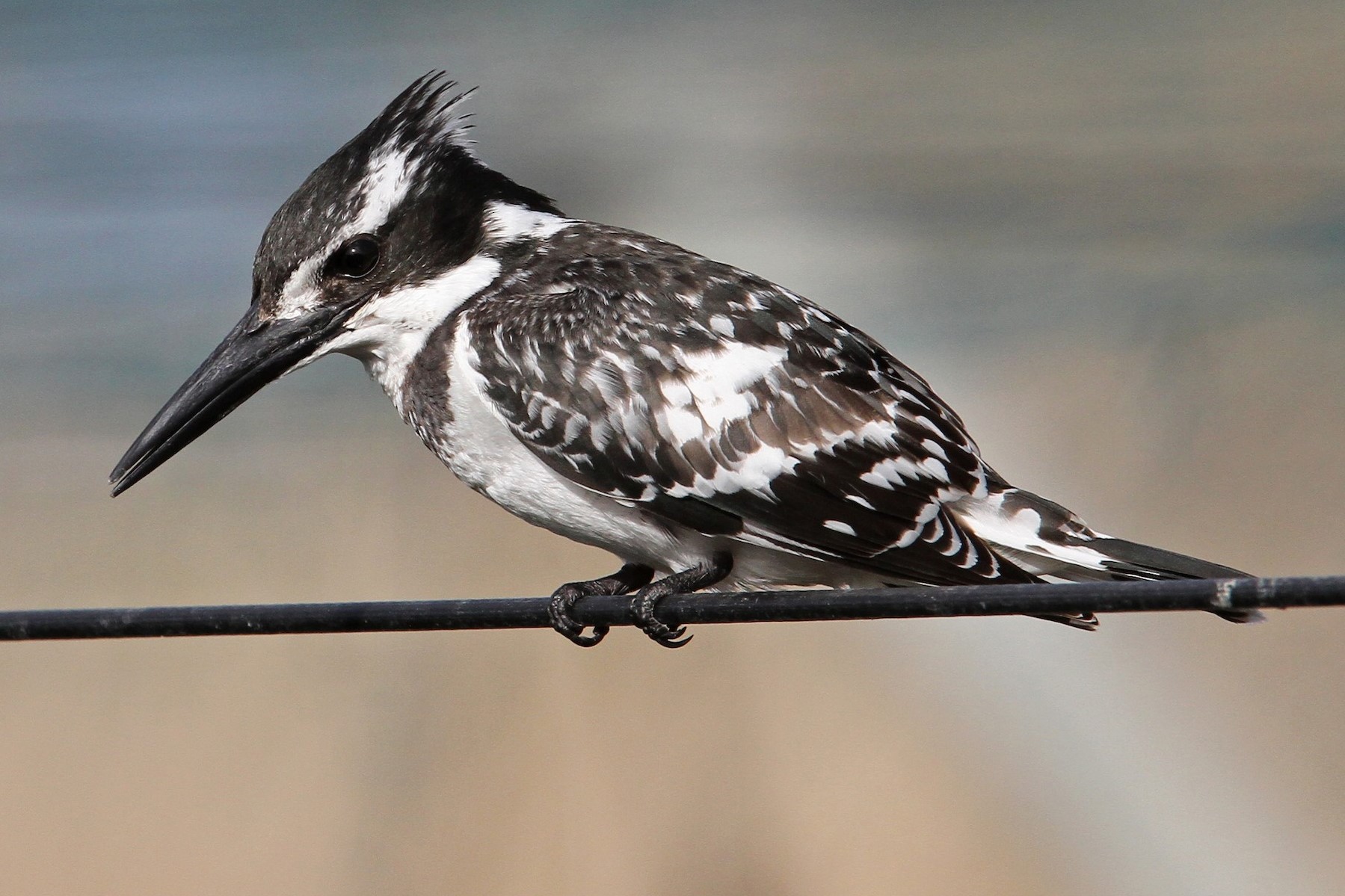
The pied kingfisher is the most abundant Uganda kingfisher species on rivers and lakes throughout the country. This black and white bird hovers persistently over open water before diving for small fish. The malachite kingfisher sits on waterside vegetation and dives from a perch for small fish in shallow water margins. These two common Uganda kingfisher species appear at almost every Uganda water body of any size. Finding the rarer and more restricted Uganda kingfisher species requires specific habitat targeting and site knowledge. A dedicated Uganda kingfisher species day can produce eight to ten species in the right locations.
Uganda Kingfisher Species by Habitat
River Uganda Kingfisher Species
Giant kingfisher hunts the Victoria Nile and Albert Nile river systems throughout the year. This massive Uganda kingfisher species perches on overhanging branches and dives for large fish and frogs. The Murchison Falls boat trip produces giant kingfisher encounters at 15 to 30 minute intervals along the river bank. African pygmy kingfisher is the smallest Uganda kingfisher species on the river bank, frequenting the overgrown bank vegetation rather than open water. This tiny bird feeds on insects in the vegetation rather than fish in the water. Woodland kingfisher is a common Uganda kingfisher species on the river edge savanna and calls with a loud, unmistakable two-note territorial call throughout the year.
Half-collared kingfisher inhabits fast-flowing river sections and is the most difficult-to-find Uganda kingfisher species. This blue Uganda kingfisher species perches at water level on rocks in fast-flowing rivers. The rivers draining the Rwenzori and Bwindi highlands provide the best habitat for half-collared kingfisher searches. Blue-breasted kingfisher inhabits the Semuliki lowland forest rivers and is one of the Congo Basin Uganda kingfisher species restricted to this single Uganda site. Striped kingfisher is a woodland Uganda kingfisher species that nests in tree holes far from water and is common in Acacia savanna at Queen Elizabeth and Murchison.
Forest Uganda Kingfisher Species
Chocolate-backed kingfisher is the most celebrated forest Uganda kingfisher species. This large, richly coloured bird inhabits the understorey of tall lowland forest at Budongo, Semuliki, and Kibale. The Budongo Royal Mile produces chocolate-backed kingfisher encounters on most productive birding mornings. African dwarf kingfisher is the smallest Uganda kingfisher species and inhabits the forest floor layer. This bird feeds on insects in the leaf litter and is easily overlooked due to its tiny size and quiet behaviour. Finding the African dwarf kingfisher on a Uganda forest kingfisher species search requires a knowledgeable guide with current territory information.
Shining blue kingfisher is a stream edge Uganda kingfisher species in lowland forest at Semuliki. This small, brilliant blue bird perches at water level on stream edge branches. Kibale National Park holds shining blue kingfisher in the forest stream sections near Kanyanchu. Pygmy kingfisher is a small Uganda kingfisher species that inhabits forest edge, gardens, and savanna woodland. This bird is the most widely distributed of the small Uganda kingfisher species and appears at camp sites throughout Uganda. Its small size and fast flight cause many visitors to overlook it as a weaver or sunbird at first glance.
Finding Uganda Kingfisher Species
Uganda Kingfisher Species on Boat Trips
Boat trips produce the highest Uganda kingfisher species totals in a single session. The Nile boat trip from Paraa to Murchison Falls produces giant kingfisher, pied kingfisher, and malachite kingfisher at minimum. Woodland kingfisher and African pygmy kingfisher appear along the river bank vegetation during the same trip. A productive Murchison Falls boat trip records five Uganda kingfisher species in 90 minutes. The Kazinga Channel boat trip at Queen Elizabeth National Park similarly produces four to six Uganda kingfisher species along the channel banks. Grey-headed kingfisher appears on the channel bank savanna edge during most Kazinga Channel boat trips.
The Mabamba Swamp boat trip near Entebbe produces malachite kingfisher and African pygmy kingfisher in the papyrus margins. This early morning boat trip on the way to or from Entebbe airport adds Uganda kingfisher species to the beginning or end of any Uganda safari. Lake Bunyonyi holds malachite kingfisher at several shoreline points around the lake perimeter. The Lake Bunyonyi boat tour produces this Uganda kingfisher species alongside grey crowned crane and African fish eagle. Combining wetland boat trips with river boat trips across the safari maximises the total Uganda kingfisher species encounter count.
Uganda Kingfisher Species Photography
Uganda kingfisher species photography benefits from medium telephoto lenses in the 300 to 500mm range. Perched kingfishers on exposed riverside branches allow vehicle approach to 20 to 30 metres. At this range a 300mm lens produces excellent Uganda kingfisher species portraits. The malachite kingfisher requires fast shutter speeds to freeze its diving movement. Using burst mode at 1/2000 second captures Uganda kingfisher species dives with adequate sharpness. Forest Uganda kingfisher species require faster lenses due to understorey low light conditions. A 500mm f5.6 or f6.3 lens handles forest kingfisher photography in adequate light during the morning peak hours.
Uganda kingfisher species return repeatedly to the same perch after each dive. Identifying a productive perch position and waiting beside it produces multiple Uganda kingfisher species image opportunities. A vehicle positioned with the sun behind produces the best light angle for Uganda kingfisher species photography from the Nile boat or channel edge. The pied kingfisher hovering against a blue sky is one of Uganda’s most commonly attempted kingfisher photographs. Using the sky as a high-contrast background against the black and white plumage creates clean, dramatic images from any camera position on the boat deck.
Plan Your Safari
Plan Uganda kingfisher species observation during the Murchison Falls Nile boat trip, the Kazinga Channel Queen Elizabeth boat, and a Mabamba Swamp dawn boat from Entebbe. Request specialist birding guide knowledge for the forest Uganda kingfisher species at Budongo, Kibale, and Semuliki. Target the African dwarf kingfisher and chocolate-backed kingfisher at Budongo’s Royal Mile as specific Uganda kingfisher species priorities.
African Wild Trekkers includes dedicated Uganda kingfisher species search sessions in all birding safari itineraries. We book specialist guides for the forest species and arrange boat trips timed for the best Uganda kingfisher species activity at each site.
Contact African Wild Trekkers to target Uganda kingfisher species on your safari. We respond within 24 hours and design Uganda birding programmes that cover the full 17-species Uganda kingfisher species list across river, wetland, and forest habitats.