Uganda Shoebill Stork: Finding Africa’s Most Prehistoric Bird
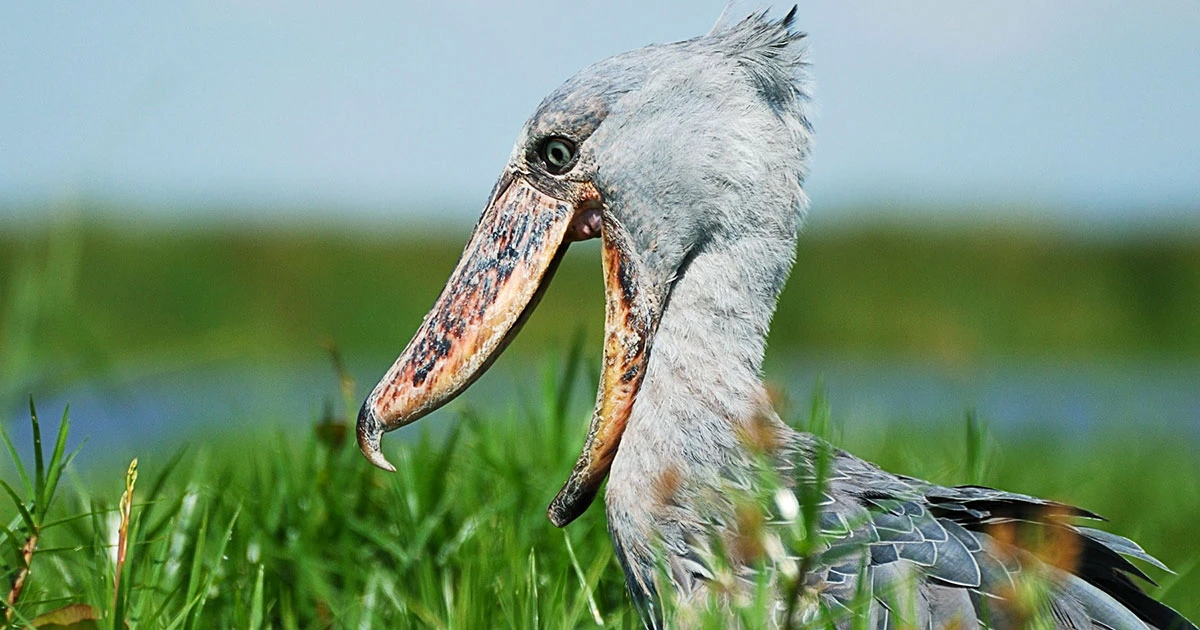
The Uganda shoebill stork is one of Africa’s most extraordinary and sought-after bird species. This massive waterbird stands 120 centimetres tall on grey legs in papyrus swamps. The Uganda shoebill stork takes its name from its enormous, shoe-shaped bill. That bill allows it to seize large lungfish, catfish, and even small crocodiles from swamp water. Uganda shoebill stork encounters are a top priority for visiting birders worldwide. Uganda holds one of Africa’s most reliable and accessible shoebill populations.
Finding the Uganda shoebill stork requires a boat and an experienced guide. This bird inhabits dense papyrus swamps far from any road or walking trail. Most Uganda shoebill stork encounters occur during morning boat trips starting before 07:00. The bird is most active at dawn before the day heats up. Guides familiar with shoebill territory dramatically increase encounter success rates. A dedicated Uganda shoebill stork search tour is available at three main Uganda sites.
Uganda Shoebill Stork Locations
Mabamba Swamp Uganda Shoebill Stork
Mabamba Swamp near Entebbe is Uganda’s most accessible Uganda shoebill stork site. The swamp lies 40 kilometres from Entebbe airport on the north shore of Lake Victoria. A two-hour morning boat trip through Mabamba’s papyrus channels produces shoebill encounters on most visits. Local fishermen double as guides and know the current territories of resident shoebill pairs. Mabamba holds four to six resident Uganda shoebill stork individuals throughout the year. This concentration makes Mabamba the most reliable single Uganda shoebill stork site in the country.
The Mabamba Uganda shoebill stork boat departs from a small landing site on the swamp edge. The boat poles silently through narrow papyrus channels for 30 to 60 minutes before the shoebill territory. Uganda shoebill stork individuals stand motionless in the papyrus for minutes at a time. Their grey plumage blends perfectly with the pale papyrus stems from a distance. Guides read the swamp for faint movement and reflections that indicate the bird’s position. Finding a Uganda shoebill stork standing stock-still at three metres range is one of Uganda’s finest wildlife moments.
Lake Albert Uganda Shoebill Stork
The Albert Nile papyrus fringes near Wanseko hold Uganda shoebill stork in good numbers. This site is three hours from Murchison Falls National Park headquarters at Paraa. Dedicated Uganda shoebill stork boat trips depart from Masindi Port on the Albert Nile. The Albert Nile site complements a Murchison Falls national park visit efficiently. Combining the Albert Nile Uganda shoebill stork trip with the standard Murchison game drive maximises northern Uganda wildlife diversity. Multiple shoebill individuals inhabit different sections of the Albert Nile papyrus zone year-round.
The Semuliki delta where the Semuliki River enters Lake Albert also holds Uganda shoebill stork. This delta section is accessed from Ntoroko on the lake’s eastern shore. Boat trips from Ntoroko search the delta papyrus fringes for shoebill from early morning. The Semuliki delta Uganda shoebill stork encounter combines with the Semuliki forest birding programme. Two nights at Ntoroko allows one morning for the delta shoebill and two mornings in Semuliki National Park forest. This combination covers both the wetland and forest wings of the western Uganda birding circuit efficiently.
Uganda Shoebill Stork Behaviour
Hunting Behaviour of the Uganda Shoebill Stork
The Uganda shoebill stork hunts by standing completely motionless for long periods. It watches the water surface for lungfish movement below the surface. When a fish approaches within striking range, the shoebill lunges forward with explosive speed. The bill closes on the fish with tremendous force and a loud clap. The Uganda shoebill stork then rights itself and swallows the prey head first. This lunge sequence takes less than one second from initial movement to prey capture.
Uganda shoebill stork hunting efficiency depends on shallow, stagnant, oxygen-depleted swamp water. Lungfish surface in such water to breathe through their lungs. A patient Uganda shoebill stork positions itself where lungfish surface regularly. Experienced guides identify these productive fishing spots within the shoebill territory. Sitting quietly beside a Uganda shoebill stork at a known fishing spot produces a hunting lunge encounter. Not every encounter includes a lunge, but any close encounter with this extraordinary bird is deeply memorable.
Uganda Shoebill Stork Photography
Uganda shoebill stork photography from a boat suits a 400 to 600mm telephoto lens. The boat must approach silently and stop at 10 to 20 metres for the best images. Any noise or sudden movement causes the Uganda shoebill stork to walk deeper into the papyrus. A polarising filter reduces papyrus reflection and water surface glare at shoebill photography distances. The bill detail and eye colour are the most important portrait elements to capture sharply. Eye-level photography from a low boat position produces the most engaging Uganda shoebill stork portraits.
Video of the Uganda shoebill stork hunting lunge is the most sought film sequence for nature videographers. Setting the camera to continuous burst mode at 1/2000 second captures the lunge sequence in sharp frames. The entire lunge happens too fast for deliberate trigger timing. Pre-focusing on the bird and using burst mode produces the best Uganda shoebill stork action images. Many visitors record ten or more minutes of quiet standing behaviour before the lunge moment arrives. The wait is always worth the eventual action sequence that a productive Uganda shoebill stork morning produces.
Plan Your Safari
Book a Mabamba Swamp Uganda shoebill stork morning boat at the start or end of your Uganda safari near Entebbe. Add an Albert Nile shoebill boat trip from Masindi Port during a Murchison Falls visit. Depart for both boats by 06:30 for the best shoebill activity before midday heat reduces foraging behaviour.
African Wild Trekkers books Uganda shoebill stork boat guides at Mabamba and the Albert Nile for all Uganda safari itineraries. We arrange early morning departures and confirm guide availability before each client arrival date.
Contact African Wild Trekkers to find the Uganda shoebill stork on your safari. We respond within 24 hours and design Uganda itineraries that access the most reliable shoebill sites in the country.