HOWEVER, BOTanzania vs. Botswana: Two Different Kinds of African Safari Explained
Two Countries, Two Completely Different Safari Philosophies
Tanzania vs Botswana Safari: Which Destination Is Right for You?
Tanzania and Botswana rank among Africa’s finest safari destinations. Many travellers compare them before booking. Each country offers a different safari style. Tanzania focuses on abundant wildlife across vast protected areas. Botswana emphasizes exclusivity through smaller camps and fewer visitors. The Okavango Delta also creates a unique water-based safari experience. Understanding these differences helps you choose the destination that matches your travel goals.
This comparison explores the factors that matter most. It covers wildlife, landscapes, activities, costs, accessibility, and crowd levels. Neither country is better than the other. Each suits different travel styles and expectations. Knowing your priorities makes the choice much easier.
Wildlife: Volume vs Intimacy
Tanzania: The Scale Advantage
Tanzania stands out for its wildlife numbers and diversity. The Serengeti hosts the Great Migration, with over 1.5 million wildebeest moving across the plains. No other destination matches this spectacle. The Serengeti also supports one of Africa’s largest lion populations. Tarangire attracts huge elephant herds, while Ngorongoro Crater offers excellent Big Five sightings. Together, these parks provide exceptional wildlife viewing in a single itinerary. First-time safari travelers often find Tanzania especially rewarding because they see many species in impressive numbers.
Tanzania also offers remarkable ecological diversity. Visitors can explore the Serengeti plains, Tarangire’s baobab landscapes, Ngorongoro Crater, Ruaha’s rugged wilderness, Mount Kilimanjaro’s forests, Rift Valley lakes, and the Indian Ocean coast. This variety encourages repeat visits because every region offers a different experience.
Botswana: The Intimacy and Exclusivity Advantage
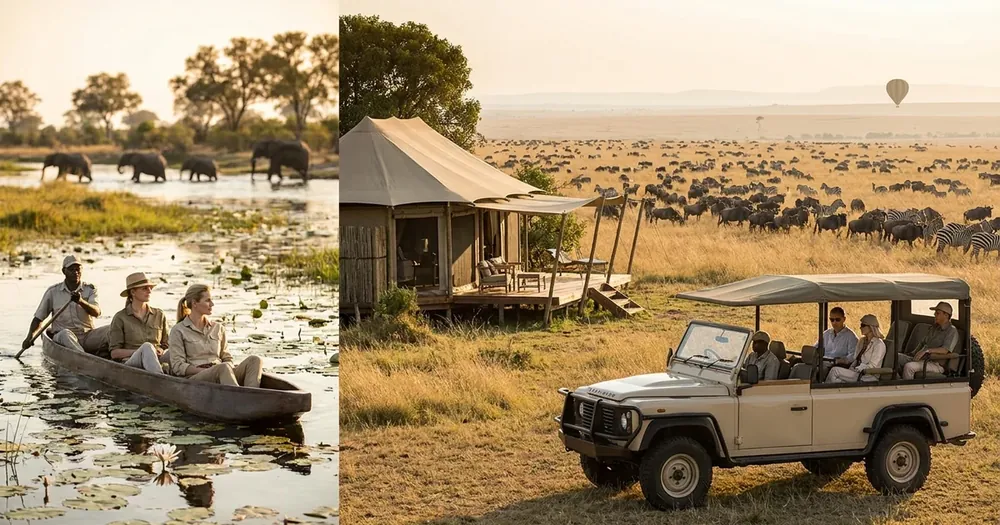
Botswana delivers fewer wildlife sightings but creates more intimate encounters. Visitors often enjoy wildlife without seeing other vehicles nearby. A mokoro canoe glides quietly through the Okavango Delta, bringing travelers close to hippos and birdlife. The peaceful surroundings create an experience unlike traditional game drives. Elephants swim between channels, lechwe cross flooded plains, and fish eagles hunt from papyrus reeds. These encounters exist only in Botswana’s unique wetlands.
Chobe National Park supports one of Africa’s largest elephant populations. Boat safaris reveal herds crossing rivers, bathing, and drinking along the banks. Botswana also offers outstanding opportunities to see African wild dogs, especially in the Okavango and Linyanti regions. Visitors often enjoy these sightings without sharing them with many other vehicles.
Cost: The Biggest Practical Difference
Tanzania’s Greater Accessibility
Tanzania offers safari experiences across many budgets. Budget camping safaris start around USD 100–200 per person each day. Luxury tented camps can exceed USD 2,000 per night. Most travelers choose comfortable mid-range lodges costing USD 300–600 per night. These lodges provide excellent wildlife access and quality service. Strong competition and established tourism help keep prices reasonable.
Shared group safaris reduce costs even further. Travellers often spend USD 150–250 per day, including accommodation, meals, transport, and park fees. However, it does not offer comparable budget options because its tourism policy intentionally limits visitor numbers.
Botswana: Luxury by Design
Botswana follows a high-value, low-volume tourism model. Most lodges charge between USD 800 and 2,000 per person each night. Visitor numbers remain low, and camps stay small. This approach protects sensitive ecosystems while delivering exclusive experiences. The trade-off is a significantly higher travel budget.
A five-day Botswana safari usually costs between USD 5,000 and 8,000 per person. Premium camps cost considerably more. Travelers choosing between Tanzania and Botswana face two exceptional options. Tanzania offers greater wildlife variety and affordability. Botswana offers privacy, exclusivity, and unforgettable wilderness experiences.
Activities: Land Safaris vs Water Adventures
Tanzania’s Classic Game Drives
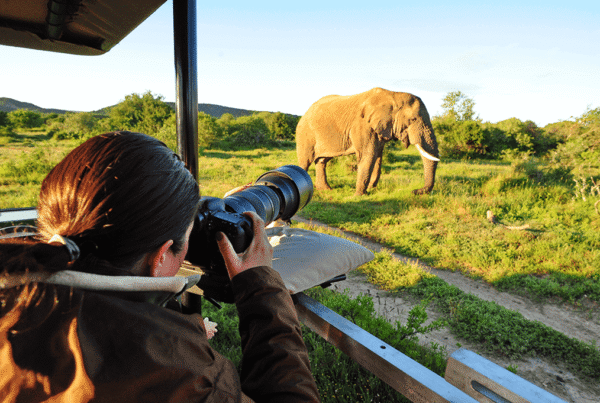
Tanzania builds its safari experience around traditional game drives. Open-sided Land Cruisers explore the Serengeti, Tarangire, Ngorongoro, and southern parks. Walking safaris are available in Ruaha, Nyerere National Park, and selected private reserves. Hot air balloon safaris over the Serengeti provide another memorable perspective. However, vehicle-based wildlife viewing remains Tanzania’s defining safari activity. Travellers seeking classic African game drives will find Tanzania difficult to match.
Botswana offers greater activity diversity. Mokoro canoe trips explore quiet Delta channels. Motorboat safaris navigate permanent waterways. Guided walking safaris allow closer exploration of the wilderness. Many private concessions also offer night drives, revealing nocturnal wildlife rarely seen during the day. These activities create a different safari rhythm. Botswana appeals especially to experienced safari travelers looking beyond traditional game drives.
Plan Your Safari
Your choice depends on your budget, travel experience, and wildlife interests. Tanzania suits most first-time safari travelers because it combines outstanding wildlife with excellent value. Botswana works particularly well for returning visitors seeking exclusivity and unique water-based experiences.
African Wild Trekkers designs customized Tanzania safaris and can also arrange Tanzania-Botswana combinations through trusted Southern Africa partners. We offer everything from affordable northern circuit safaris to luxury fly-in experiences. We confirm every booking before requesting payment.
Contact African Wild Trekkers at africanwildtrekkers.com/contact with your travel dates and budget. We will recommend the best itinerary and confirm availability within 24 hours.