Lake Turkana Safari: Kenya’s Jade Sea in the African Desert
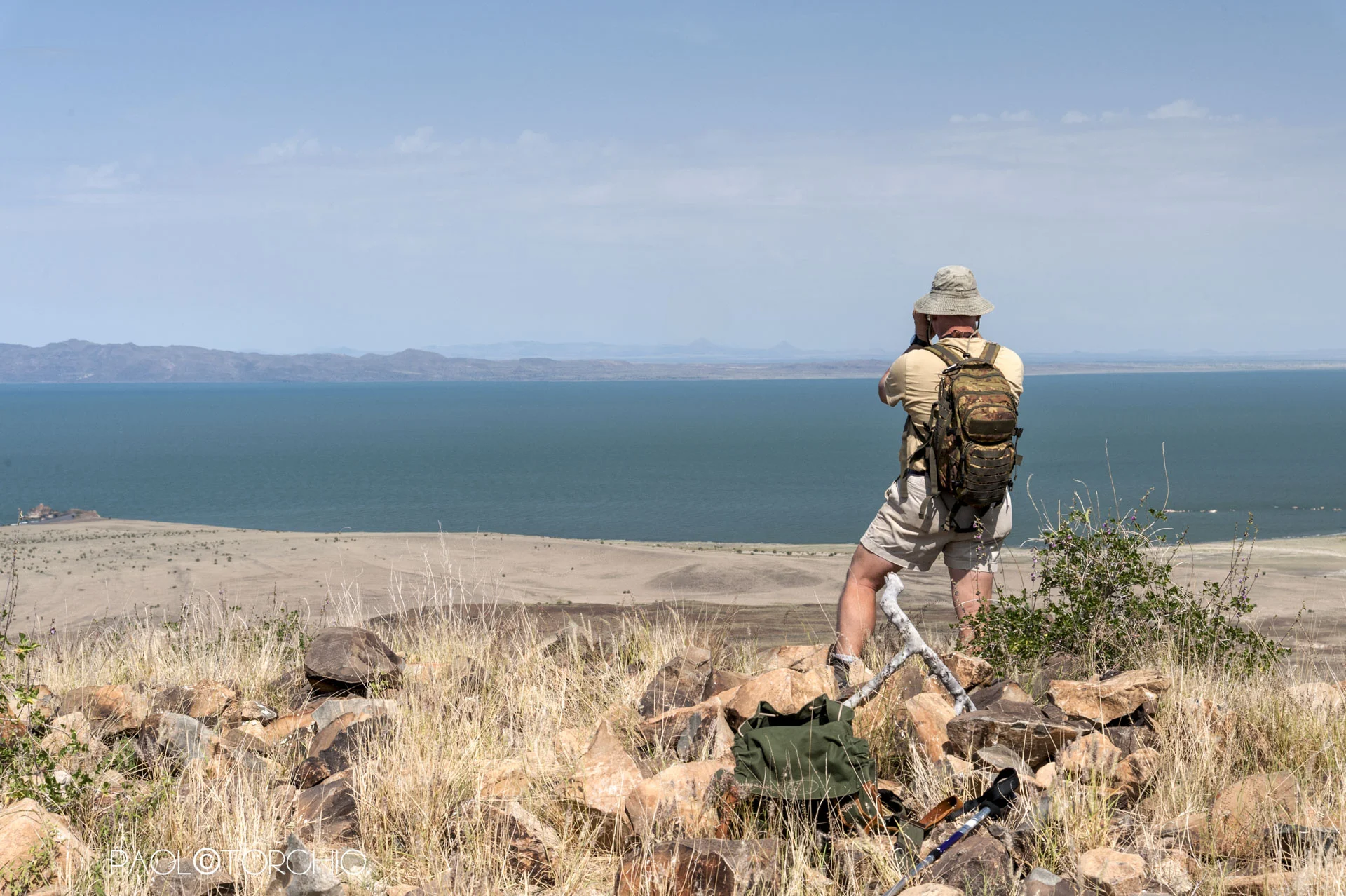
A Lake Turkana safari takes visitors to the world’s largest permanent desert lake. Lake Turkana covers 6,405 square kilometres in Kenya’s remote northern territory. Its distinctive jade-green colour comes from algae blooms in the alkaline water. A Lake Turkana safari delivers crocodiles, flamingos, Turkana fishing communities, and extraordinary volcanic landscape. The lake is a UNESCO World Heritage Site due to its exceptional fossil record and ecological importance. A Lake Turkana safari is Kenya’s most remote and adventurous northern safari experience.
Lake Turkana safari visitors reach the lake by 4WD vehicle from Nairobi or by light aircraft to Loiyangalani. The road from Maralal to Loiyangalani on the lake’s east shore takes six to eight hours. The western shore route via Turkwel dam is longer but passes through more communities. A Lake Turkana safari requires advance fuel planning as remote northern Kenya has limited fuel availability. Self-sufficient expedition vehicles are strongly recommended for any multi-day Lake Turkana safari. The remoteness is part of the experience and reward.
Lake Turkana Safari Wildlife
Crocodile on a Lake Turkana Safari
Lake Turkana holds one of Africa’s largest Nile crocodile populations. Central Island National Park in the middle of the lake is a designated crocodile breeding sanctuary. The island’s volcanic crater lakes shelter nesting crocodile populations numbering in the thousands. A Lake Turkana safari boat trip to Central Island reveals crocodile concentration unlike any other Kenya site. The journey to Central Island takes 45 minutes by motorboat from the Loiyangalani shore. Crocodile sunning on the island beaches at close range creates dramatic Lake Turkana safari photography opportunities.
Lake Turkana safari crocodile encounters also occur along the shoreline near fish-drying beaches. Turkana fishermen work within metres of large crocodiles throughout the day. This co-existence between humans and crocodiles at the lake edge is one of the Lake Turkana safari’s most remarkable human-wildlife dynamics to observe. A Lake Turkana safari guide explains the cultural relationship between the Turkana people and the crocodiles they have lived alongside for generations. Crocodile numbers at Lake Turkana are estimated at 12,000 to 14,000 individuals across the full lake system.
Flamingo and Birds on a Lake Turkana Safari
Lake Turkana safari birding produces large flamingo concentrations at the southern end near Ferguson’s Gulf. Both lesser and greater flamingo gather at productive algae-feeding areas on the lake’s shallower southern section. Ferguson’s Gulf is accessible by road from Lodwar on the lake’s western shore. This Lake Turkana safari birding site produces flamingo numbers reaching 50,000 or more during peak feeding periods. African fish eagle calls from lakeside trees throughout the Lake Turkana safari route. Great white pelican also gathers in flocks on the open lake during the productive morning fishing hours.
Lake Turkana safari birding extends beyond the waterbird community to include specialist dry-country species. Vulturine guineafowl inhabits the scrubland above the lake shore on the Lake Turkana safari eastern route. Somali ostrich strides through the dry thornbush zone above the lake margin. Heuglin’s bustard and buff-crested bustard inhabit the semi-arid landscape of the Lake Turkana safari territory. Northern carmine bee-eater breeds in excavated lake bank colonies during the dry season months. A Lake Turkana safari produces a completely different Kenya bird list from any southern Kenya equivalent.
Lake Turkana Safari Culture and Geology
Turkana People on a Lake Turkana Safari
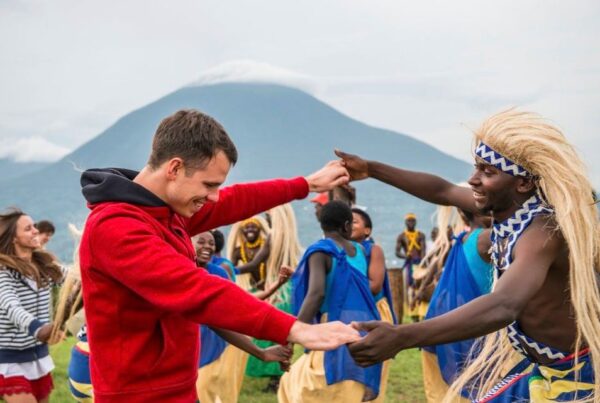
The Turkana people have inhabited the Lake Turkana safari territory for centuries. This semi-nomadic pastoral community herds camels, cattle, goats, and sheep across the arid landscape. Turkana fishermen supplement the pastoral economy with lake fishing using traditional dugout canoes. Meeting Turkana fishing communities at the lake shore is a central component of any Lake Turkana safari. The distinctive Turkana body art, elaborate beaded jewellery, and clay hair dressing traditions create extraordinary photography subjects. A Lake Turkana safari community visit requires a cultural guide and advance permission from village elders.
Lake Turkana safari visitors also encounter El Molo fishing communities at the lake’s eastern shore near Loiyangalani. The El Molo are Kenya’s smallest ethnic group and one of Africa’s most isolated communities. Their traditional lifestyle of lake fishing from doum palm rafts is visible throughout any Lake Turkana safari eastern shore visit. Interaction with El Molo families at their lakeside village produces one of Kenya’s most unique cultural encounters. Both Turkana and El Molo cultural encounters should be arranged through a community tourism guide. Respectful Lake Turkana safari cultural visits support community income directly.
Geology of the Lake Turkana Safari Territory
The Lake Turkana safari territory sits in one of the world’s most active geological zones. The Suguta Valley south of the lake is Kenya’s hottest landscape. Volcanic plugs and lava flows from the Koroli Desert extend across the Lake Turkana safari eastern approach route. Central Island is an active volcano with three crater lakes visible from the caldera rim. South Island, another Lake Turkana safari destination, also has volcanic origins. These volcanic formations create the extraordinary visual landscape that defines the Lake Turkana safari geological experience.
Koobi Fora on the lake’s northeast shore holds one of Africa’s most important palaeontological sites. Early hominid fossils including Homo habilis and Homo ergaster have been recovered from Koobi Fora. The Koobi Fora Museum on the lakeshore displays casts of key fossil discoveries. A Lake Turkana safari addition of a Koobi Fora visit adds significant archaeological and scientific depth. This site is only accessible from Sibiloi National Park on the eastern shore. The Koobi Fora Lake Turkana safari day adds a genuinely unique human origin story dimension to any northern Kenya expedition.
Plan Your Safari
Plan a Lake Turkana safari of at least four nights to cover Central Island, Loiyangalani, and the Ferguson’s Gulf flamingo area. Book a 4WD expedition vehicle with sufficient fuel capacity for the remote northern Kenya roads. Fly to Loiyangalani from Nairobi Wilson Airport to save the overland travel time on a shorter itinerary.
African Wild Trekkers designs Lake Turkana safari expeditions for adventurous visitors seeking Kenya’s most remote experience. We arrange expedition vehicles, fuel logistics, community guides, and boat trips to Central Island and South Island for every Lake Turkana safari itinerary.
Contact African Wild Trekkers to plan your Lake Turkana safari. We respond within 24 hours and design northern Kenya expedition itineraries that access the Jade Sea in full comfort and safety.