Sibiloi National Park: Where Human Origins Meet Lake Turkana’s East Shore
Sibiloi National Park on Lake Turkana’s northeastern shore is one of the world’s most important palaeontological sites. This 1,570-square-kilometre park protects the Koobi Fora fossil beds where hundreds of early hominid specimens have been recovered. Sibiloi National Park holds fossils of Homo ergaster, Homo habilis, and Paranthropus boisei, all more than 1.5 million years old. The park is also a UNESCO World Heritage Site as part of the Lake Turkana National Parks designation. Sibiloi National Park wildlife includes tiang antelope, Grevy’s zebra, lion, and Nile crocodile. The park is among Kenya’s most remote and least visited protected areas.
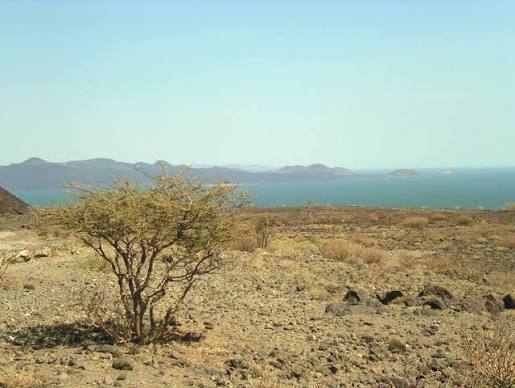
Sibiloi National Park sits on the eastern shore of Lake Turkana accessible only by aircraft or a very long overland journey. The park headquarters at Koobi Fora is reached by charter flight from Nairobi Wilson Airport in approximately 90 minutes. Road access from Marsabit to Sibiloi National Park requires a full day of driving on rough desert tracks. The extreme remoteness creates the most wilderness-like Kenya national park experience available anywhere in the country. Sibiloi National Park visitor numbers are among the lowest of any Kenya national park, making every visit profoundly solitary and special.
Sibiloi National Park Fossils and Science
Koobi Fora Fossils at Sibiloi National Park
The Koobi Fora research area within Sibiloi National Park has produced over 400 fossil specimens. Richard Leakey led the Kenya National Museum expeditions that made Koobi Fora world-famous from 1968 onwards. Sibiloi National Park’s fossil-bearing sediments date from 4 million to 1.3 million years ago. The Koobi Fora Museum at Sibiloi National Park displays cast replicas of key fossil discoveries. Original specimens are housed at the Nairobi National Museum. Walking the Koobi Fora fossil beds with a trained Sibiloi National Park guide reveals fossil fragments visible at the sediment surface.
Petrified forest stumps emerge from the Sibiloi National Park desert sediments near the lake shore. These 7-million-year-old fossilised tree trunks prove that Lake Turkana’s basin was once a forested environment. The contrast between the present Sibiloi National Park desert landscape and its forested prehistoric past is dramatic evidence of climate change on a geological timescale. A Sibiloi National Park guided walk through the petrified forest section is one of Kenya’s most unusual and thought-provoking wildlife experiences. The petrified wood colours shift from pale white to deep brown and black across the Sibiloi National Park sediment exposures.
Sibiloi National Park Wildlife
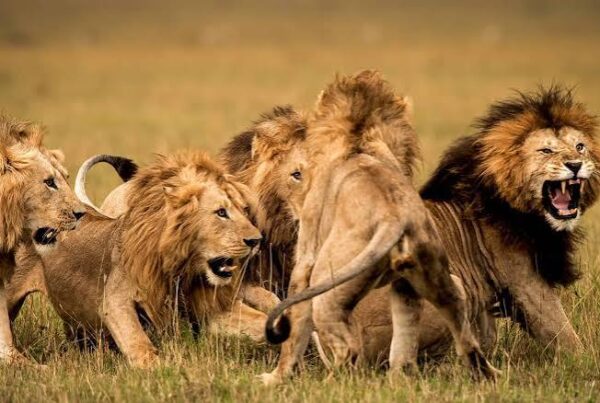
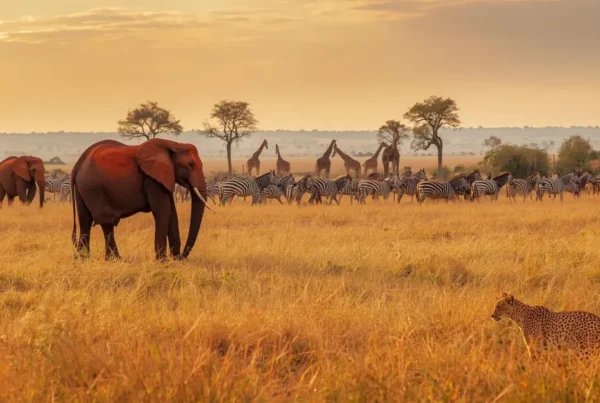
Tiang antelope at Sibiloi National Park inhabit the open lakeshore grasslands in Kenya’s only resident population of this species. These large antelope are closely related to topi and move in substantial herds across the Sibiloi National Park lake edge terrain. Lion inhabits Sibiloi National Park and hunts the tiang and Grevy’s zebra populations. A Sibiloi National Park lion encounter is especially significant given the extreme remoteness of the location. Grevy’s zebra is common on the Sibiloi National Park open ground and is less disturbed by vehicles than anywhere else in Kenya due to the very low visitor traffic.
Nile crocodile reaches massive size at Sibiloi National Park due to the lake’s abundant fish resource. Crocodile lengths exceeding five metres have been recorded at the Sibiloi National Park lakeshore. The Central Island National Park crocodile sanctuary lies within the Sibiloi National Park World Heritage Site boundary. A boat trip from Sibiloi National Park to Central Island accesses the volcanic crater lakes where crocodiles nest in the highest concentrations. This Sibiloi National Park crocodile experience is unique in Africa in terms of both the sheer crocodile numbers and the volcanic island setting.
Sibiloi National Park Practical Information
Getting to Sibiloi National Park
Charter flight from Nairobi Wilson Airport to the Koobi Fora airstrip at Sibiloi National Park is the most practical access option. The flight takes 90 minutes in a small propeller aircraft. Combining Sibiloi National Park with a Lake Turkana safari at Loiyangalani on the same charter circuit saves significant flight cost. The charter drops at Loiyangalani first and then proceeds to Sibiloi National Park. This two-stop Sibiloi National Park charter circuit accesses the west and east shores of Lake Turkana on a single flight. Road access from Marsabit via the Sibiloi track takes a full day of 4WD driving on rough desert surface.
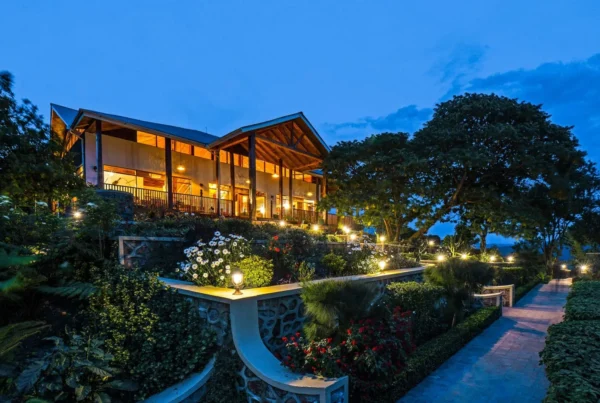
Sibiloi National Park accommodation is limited to KWS research camp bandas at the Koobi Fora headquarters. These basic facilities include beds, communal ablutions, and a simple kitchen. All food and supplies must be carried to Sibiloi National Park from Nairobi or Marsabit. Water at Sibiloi National Park is drawn from the lake and must be treated before consumption. A minimum three-night Sibiloi National Park visit allows adequate time to explore Koobi Fora, the petrified forest, the lakeshore wildlife, and Central Island. Booking Sibiloi National Park through Kenya Wildlife Service Nairobi requires advance arrangements of at least four to six weeks.
Sibiloi National Park Scientific Visits
Sibiloi National Park accepts scientific visiting parties under research permit from the Kenya National Museums. Palaeontologists, archaeologists, and geologists visit Sibiloi National Park to study the ongoing fossil sediment exposure. These research visits provide the most intensive access to the Koobi Fora sediment sections. Tourist visits are welcome alongside research expeditions at Sibiloi National Park. The Kenya National Museums education programme occasionally accepts non-specialist visitors on scientific tours at Sibiloi National Park. These educational Sibiloi National Park visits provide access to the research sites beyond the standard tourist trail sections.
Sibiloi National Park is genuinely one of the world’s most significant scientific sites. Its combination of palaeontology, geology, and ecology makes every visit simultaneously a wildlife safari and a journey through human evolutionary history. The scale and age of the Sibiloi National Park fossil record places human evolution in its most dramatic and inspiring physical context. Visiting Sibiloi National Park and standing on sediments where our ancestors walked over a million years ago is a transformative experience available at no other Kenya wildlife destination.
Plan Your Safari
Plan a Sibiloi National Park visit of three to four nights by charter flight from Nairobi. Combine with Loiyangalani on the same charter circuit for the complete east and west Lake Turkana experience. Carry all food, water treatment, and accommodation supplies from Nairobi as Sibiloi National Park facilities are basic.
African Wild Trekkers designs Sibiloi National Park expeditions for visitors seeking Kenya’s most remote and scientifically significant national park experience. We arrange charter flights, KWS accommodation permits, and expedition supply logistics for every Sibiloi National Park visit.
Contact African Wild Trekkers to plan your Sibiloi National Park expedition. We respond within 24 hours and design Lake Turkana safari circuits that include Koobi Fora fossils, Central Island crocodiles, and the extraordinary east shore wildlife community.