IKakamega Forest Birding: Kenya’s Only Tropical Rainforest
Kakamega Forest birding in western Kenya accesses the country’s only tropical rainforest. This remnant of the great Guinea-Congolian forest belt once stretched across equatorial Africa. Kakamega Forest birding produces over 350 bird species from this isolated lowland rainforest. The Kakamega Forest birding list includes species from West Africa that occur nowhere else in Kenya or East Africa. Kakamega Forest birding is, therefore, one of Kenya’s highest-priority birding destinations for any serious lister. The forest covers approximately 238 square kilometers and is protected by the Kenya Forest Service and the KWS Kakamega Forest Reserve.
Kakamega Forest birding is most accessible from Kakamega town, 55 kilometers north of Kisumu. Several lodge and guesthouse options sit directly at the forest edge for immediate Kakamega Forest birding access. The forest is intersected by a network of walking trails suited for Kakamega Forest birding of all fitness levels. Dawn Kakamega Forest birding from 05:30 produces the highest species activity before the forest quietens in the midday heat. Kakamega Forest birding is productive year-round but peaks during the April to May rains when resident species breed most actively.
Key Kakamega Forest Birding Species
West African Kakamega Forest Birding Endemics
Kakamega Forest birding produces several West African forest species found nowhere else in Kenya. The great blue turaco is the most spectacular Kakamega Forest birding species at 75 centimeters in length. This enormous turaco inhabits the forest canopy and calls with deep, resonant notes throughout the morning. The blue-headed bee-eater is a rare Kakamega Forest birding species at the eastern edge of its West African range. Turner’s eremomela is a Kakamega Forest birding species endemic to this single Kenyan forest site. Chapin’s flycatcher also appears on the Kakamega Forest birding list as a Congo Basin forest species. These West African range-edge Kakamega Forest birding species are the primary target for visiting listers.
The African grey parrot is one of Kakamega Forest birding’s most celebrated species. This large, intelligent parrot inhabits the tall forest canopy in small groups. Kakamega Forest birding encounters with African grey parrots occur most frequently at dawn roost sites. Hearing the characteristic squawking calls of a grey parrot flock departing the roost is one of Kakamega Forest birding’s most memorable audio experiences. Black-casqued hornbill calls with deep, resonant hoots throughout the Kakamega Forest birding morning sessions. The white-thighed hornbill inhabits the same forest canopy zone alongside the black-casqued species.
Understorey Kakamega Forest Birding
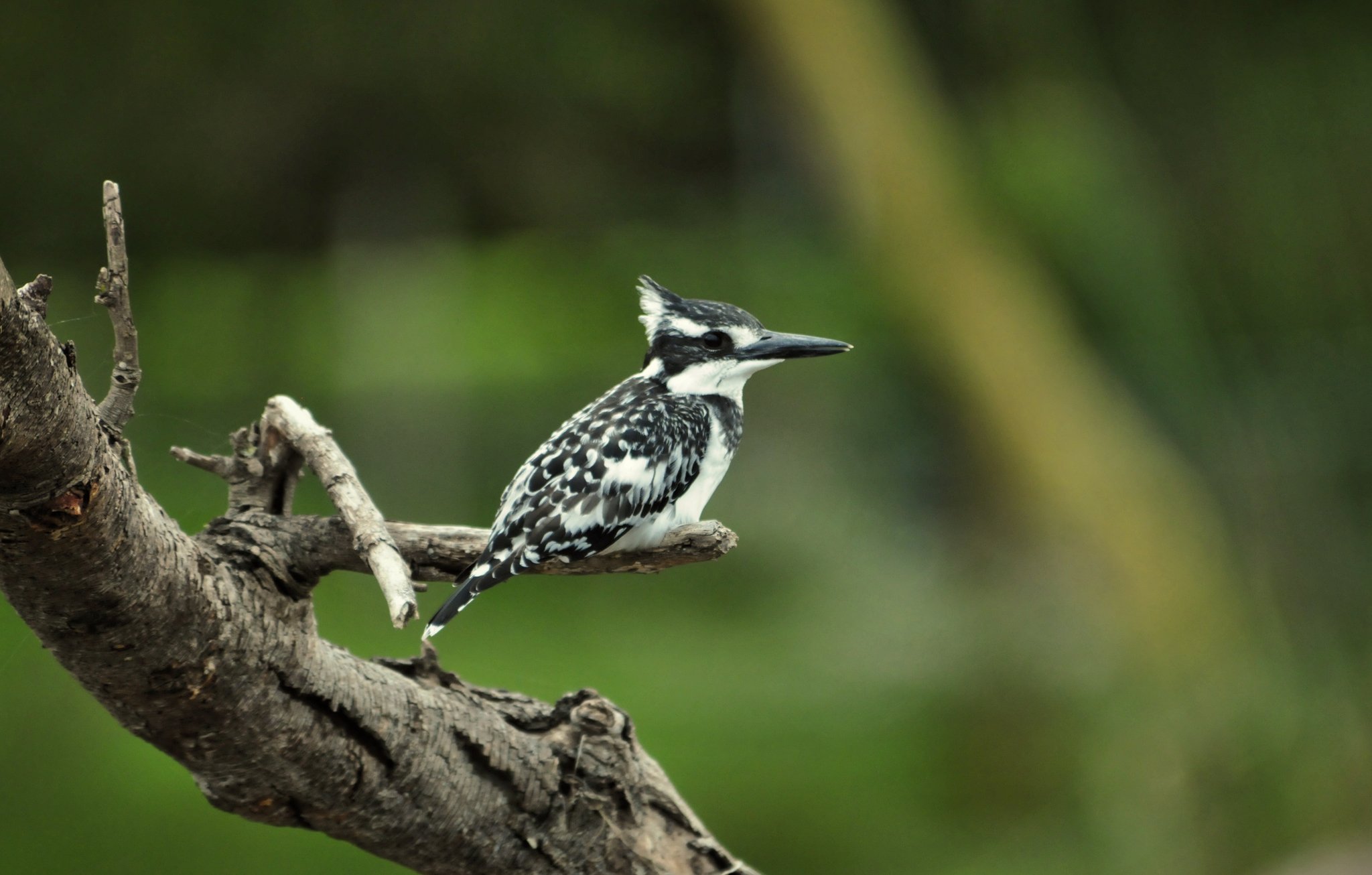
The Kakamega Forest birding understory community includes several secretive but spectacular species. African pitta inhabits the forest floor during the rains and is heard far more than it is seen. An African pitta calling from the Kakamega Forest’s birding leaf litter is one of Kenya’s most exciting bird calls. Narina trogon perches quietly in the mid-level canopy and is easily overlooked without a guide’s assistance. The shining blue kingfisbirding layer ofabits the forest stream edges at Kakamega Forest birding sites. The forest robin and Fraser’s forest flycatcher both inhabit the undergrowth level and are reliably encountered on morning walks.
Kakamega Forest birding: sunbird diversity is exceptional at flowering trees and shrubs. The blue-headed sunbird and olive sunbird are abundant throughout the Kakamega Forest birding trail network. Superb sunbird visits flowering trees in spectacular metallic blue-green plumage during the Kakamega Forest birding morning peak. The bronze sunbird and the collared sunbird also occur on the same flowering trees. A single large fig or erythrina tree in full flower during the Kakamega Forest birding morning session attracts five to eight sunbird species simultaneously. These flowering tree sessions are among Kakamega Forest birding’s highest-productivity species contact moments.
Kakamega Forest Birding Logistics
Guides for Kakamega Forest Birding
A specialist Kakamega Forest birding guide is essential for maximizing species contact. The best Kakamega Forest birding guides know the territory of rare species within the forest trail network. They identify birds by call before any visual contact is achieved. A good Kakamega Forest birding guide has a personal species count list that proves their competence. Ask for the guide’s specific list before booking for the best Kakamega Forest birding results. Guides based at Rondo Retreat and Kakamega Forest Guest House are the most consistently recommended Kakamega Forest birding specialists.
Kakamega Forest birding trail networks include the Isisandu, Buyangu, and Ikuywa sections. Each section offers different habitat specialties for Kakamega Forest birding. The Buyangu section contains the tallest canopy trees and the best great blue turaco and hornbill encounters. The Isisandu trail produces the highest butterfly diversity and is a Kakamega Forest birding afternoon walk option. The Ikuywa section near the river edge holds shining blue kingfishersss and other stream specialists. A comprehensive Kakamega Forest birding programovers all three trail sections across two full mornings and one afternoon session.
Accommodation for Kakamega Forest Birding
Rondo Retreat sits inside the forest reserve and is the premier Kakamega Forest birding accommodation. This historic farmhouse provides comfortable rooms with immediate forest trail access from the garden. Early morning Kakamega Forest birding begins at 05:30 from the Rondo garden before the guided trail walks depart. Kakamega Forest Guest House provides more affordable accommodation,, also with direct forest access. This budget option suits Kakamega Forest birding visitors who prioritize birding time over accommodation comfort. Both properties maintain resident Kakamega Forest birding guides and hold current species lists for visiting birders.
A Kakamega Forest birding visit of two to three days produces the most comprehensive species list. Day one covers the Buyangu trail for canopy species and hornbills. covers the Isisandu trail for understory species and the forest floor community. Day three provides repeat visits to the most productive Kakamega Forest birding locations and targets species missed on earlier walks. Three days at Kakamega Foprogram consistently produces 150 or more species from a 350-species total list. Single-day Kakamega Forest birding visits produce 80 to 100 species with an experienced guide on a productive morning walk.
Plan Your Safari
Plan two to three full days of Kakamega Forest birding and stay at Rondo Retreat or Kakamega Forest Guest House for direct forest access. Book a specialist Kakamega Forest birding guide through the accommodation at least two weeks ahead. Combine Kakamega Forest birding with Ruma National Park for the complete western Kenya wildlife and birding circuit.
African Wild Trekkers designs Kakamega Forest birding itineraries as part of Western Kenya safari programs. We book specialist forest birding guides, arrange Rondo Retreat accommodation, and design complete western Kenya circuits that include Kakamega and Ruma National Parks.
Contact African Wild Trekkers to plan your Kakamega Forest birding visit. We respond within 24 hours and design western Kenya birding programs that access Kenya’s only tropical rainforest bird community.