Buffalo Springs Kenya: The Ewaso Nyiro’s Southern Bank Safari
Buffalo Springs Kenya forms the southern half of the famous northern Kenya reserve system, alongside Samburu National Reserve. Covering 131 square kilometres along the southern bank of the Ewaso Nyiro River, the reserve shares the region’s celebrated “Samburu Special Five” species. However, Buffalo Springs offers a different landscape with open plains, dry riverbeds, and natural springs that complement the neighbouring reserve. Together, these contrasting habitats create one of Kenya’s richest wildlife destinations.
Visitors can enter Buffalo Springs through the southern gate or cross the Ewaso Nyiro River from Samburu via the causeway bridge. The crossing itself offers excellent wildlife viewing opportunities because hippos, crocodiles, and elephants regularly gather nearby. Furthermore, the reserve’s open terrain creates outstanding visibility, making it one of northern Kenya’s best places to observe large elephant herds and photograph wildlife in uncluttered surroundings.
Wildlife in Buffalo Springs Kenya
Elephant Herds
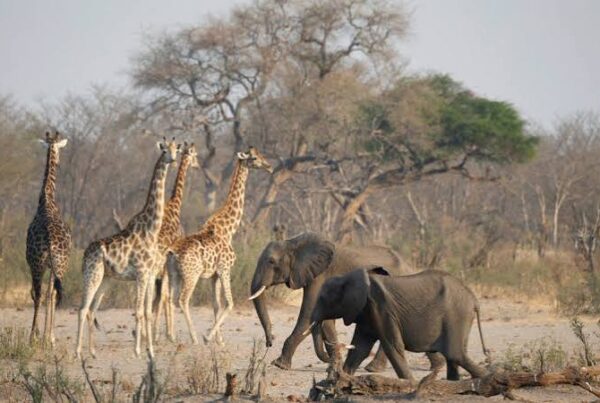
Buffalo Springs supports some of northern Kenya’s largest dry-season elephant gatherings. From June to October, the Ewaso Nyiro River provides the only reliable water source across the surrounding landscape. Consequently, elephant herds of 50 to 200 animals gather along river crossings and seasonal waterholes. Between July and September, these concentrations become especially impressive. The open plains also allow photographers to capture complete herds, unlike the denser vegetation found across the river.
Elephants frequently move between the reserve and neighbouring community land in search of food and water. As a result, local communities sometimes experience conflicts with wildlife over shared resources. The Northern Rangelands Trust works closely with nearby communities to reduce these challenges through early warning systems and compensation programmes. Visitors who understand this relationship gain deeper insight into the conservation efforts that protect both wildlife and local livelihoods.
Predators
Leopards regularly patrol the doum palm forests along the river, particularly around the Champagne Ridge area. Early morning game drives often produce the best sightings as the cats return from hunting. Meanwhile, cheetahs prefer the open southern plains, where they hunt Grevy’s zebra and Thomson’s gazelle. African wild dogs appear only occasionally during seasonal movements, making every sighting an exceptional event for guides and visitors alike.
Lions establish territories around rocky outcrops and dry riverbeds before following prey onto nearby community land. Although sightings occur less frequently than in Samburu National Reserve, the open landscape offers excellent photography when lions appear. Watching a pride at sunrise with the distant Lenkiyio Hills behind them creates one of northern Kenya’s most memorable wildlife scenes.
Buffalo Springs Highlights
The Natural Springs
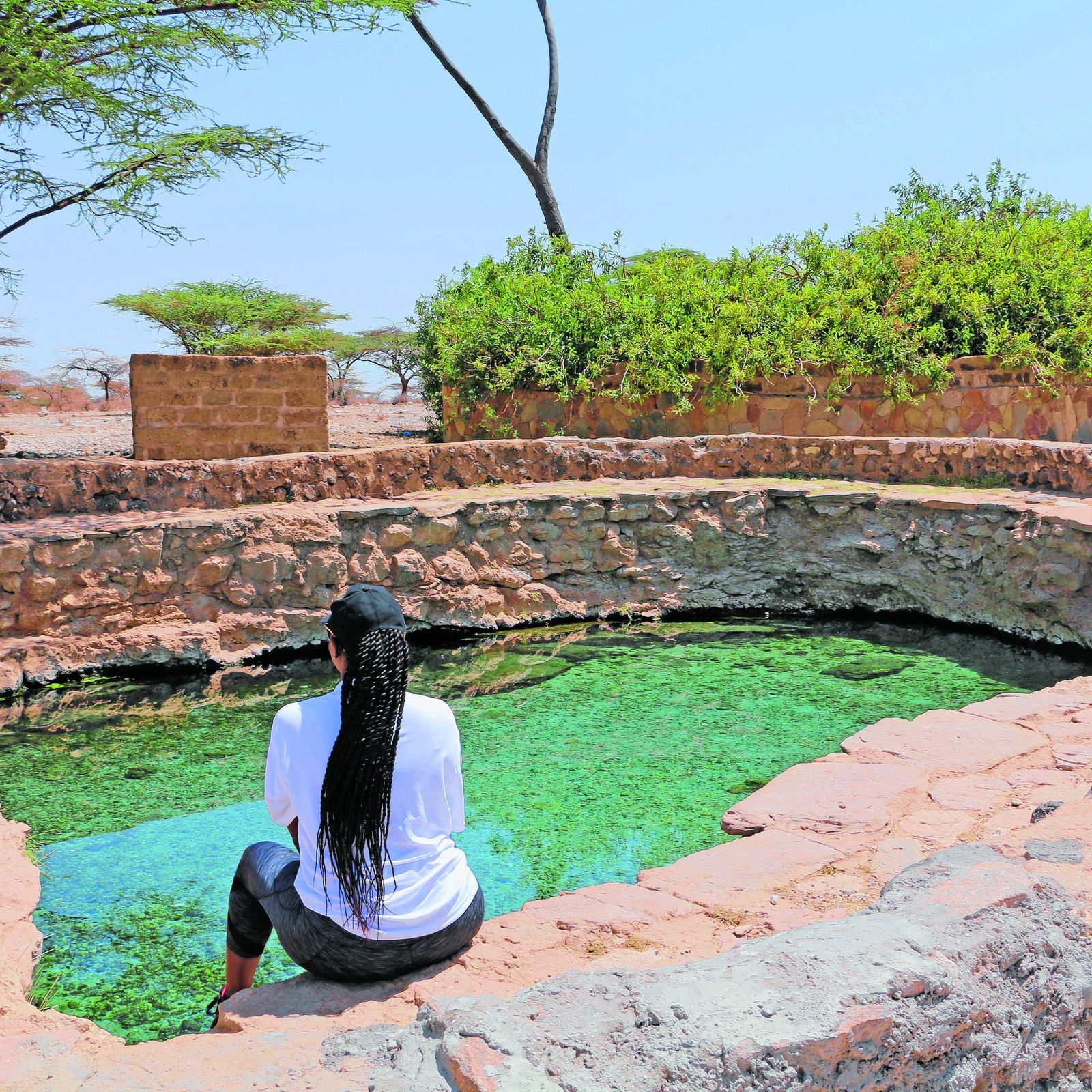
The reserve’s famous natural springs lie in its northwestern section and provide cool, clear water throughout the year. These permanent springs attract wildlife, especially during the hottest hours of the day. Large buffalo herds still gather here during the dry season, creating dramatic scenes filled with dust, birdlife, and constant animal activity. In addition, the striking contrast between green spring vegetation and the surrounding dry plains offers beautiful opportunities for landscape photography.
The reserve’s sandy riverbeds also provide excellent viewing of Grevy’s zebra. Visitors often see these endangered animals alongside reticulated giraffes and Beisa oryx grazing together across the open terrain. Consequently, photographers can capture classic northern Kenya wildlife scenes with clean backgrounds and excellent natural light. Morning sunshine reflecting from the pale sand creates especially vivid images.
Game Drives
Game drives begin either from lodges inside Buffalo Springs or from Samburu National Reserve across the causeway bridge. A typical circuit explores the riverbanks, natural springs, dry riverbeds, and open plains within four hours. Early morning drives between 6:00 a.m. and 10:00 a.m. usually produce the best wildlife activity. Afternoon excursions also reward visitors with beautiful light across the Lenkiyio Hills and increased animal movement near the river.
Compared with neighbouring Samburu, Buffalo Springs generally receives fewer visitors throughout the year. Therefore, guests often enjoy quieter sightings with fewer safari vehicles around popular wildlife encounters. Many lodges combine both reserves into a single full-day itinerary, allowing travellers to experience the diverse habitats and abundant wildlife found on each side of the Ewaso Nyiro River.
Plan Your Safari
Include at least a half-day game drive in Buffalo Springs during any Samburu safari. The reserve’s open plains provide exceptional elephant and Grevy’s zebra photography that perfectly complements Samburu’s riverine forests and leopard habitat. Spending two or three nights in the area allows enough time to explore Buffalo Springs, Samburu, and nearby Shaba National Reserve.
African Wild Trekkers designs northern Kenya safari itineraries that combine Buffalo Springs, Samburu, and Shaba into one seamless wildlife adventure. We recommend lodges with easy access to all three reserves and create personalised game-drive routes that maximise wildlife viewing and photographic opportunities.
Contact African Wild Trekkers to visit Buffalo Springs Kenya. We respond within 24 hours and design northern Kenya safari programmes accessing the full Ewaso Nyiro river wildlife experience across both banks of this extraordinary landscape.