Kenya Guided Bush Skills: Learning to Read the African Wilderness
Kenya guided bush skills programmes offer some of Africa’s most immersive wilderness learning experiences. Participants learn animal tracking, plant identification, weather reading, star navigation, and survival techniques. These skills are taught by experienced wildlife guides who understand the landscape deeply.
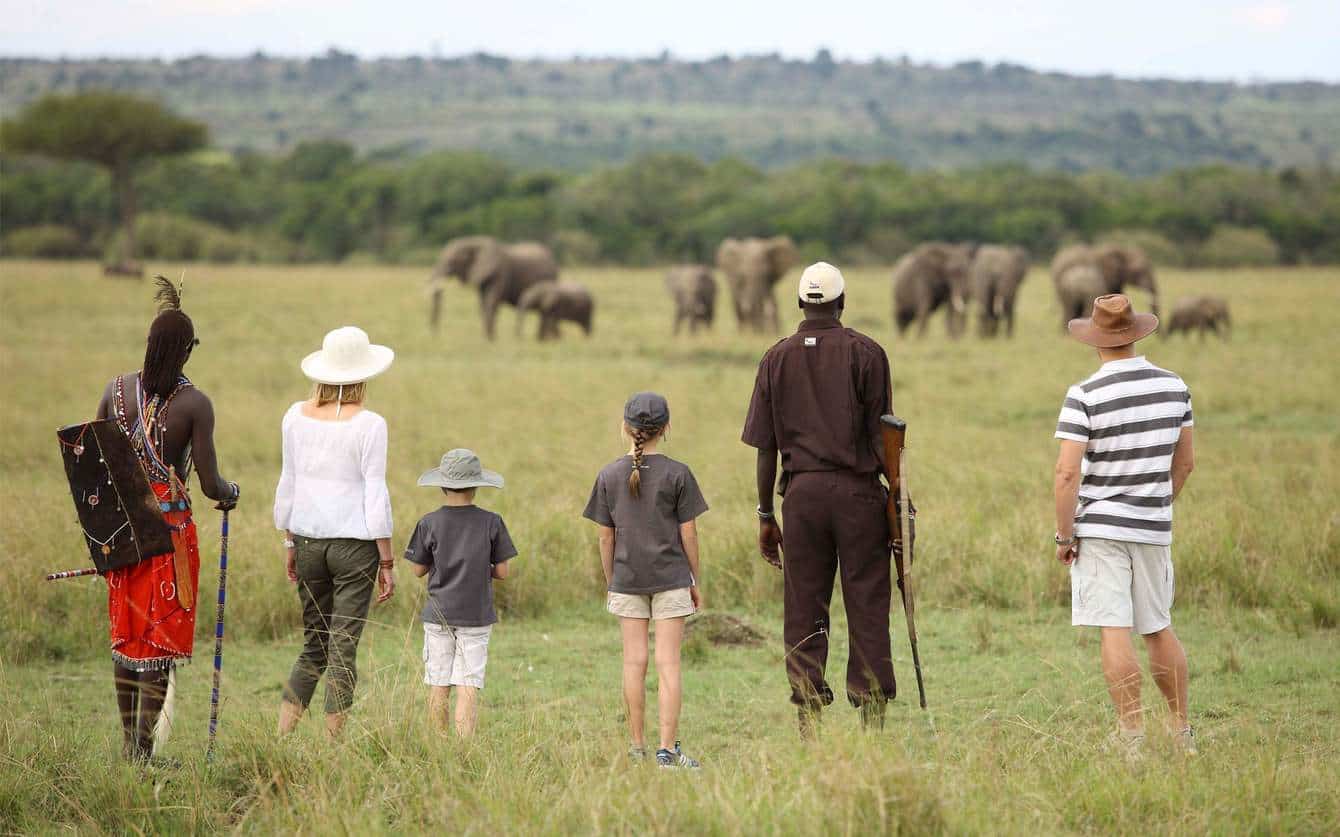
Unlike vehicle safaris, Kenya guided bush skills programmes create direct connections with the ecosystem. Participants learn how animals, plants, and natural systems interact. Programmes are available at selected properties in Laikipia, Samburu, and the Masai Mara.
Courses range from half-day introductions to five-day immersive experiences. Introductory sessions cover tracking, plant knowledge, and navigation basics. Longer programmes include wilderness survival, ecological interpretation, and night-sky navigation. All activities take place in real wildlife habitats where skills can be applied immediately.
Kenya Guided Bush Skills Curriculum
Animal Tracking
Tracking is the foundation of every Kenya guided bush skills programme. Participants learn how to interpret footprints, trails, and animal signs. Track details reveal movement patterns, direction, behaviour, and species identity.
Guides examine print depth to estimate animal size and weight. Stride patterns show whether an animal was walking, running, or moving cautiously. Track analysis can reveal whether elephants, predators, or other wildlife were relaxed, feeding, or disturbed.
Tracking extends beyond footprints. Participants learn to analyse dung, feeding marks, rubbing points, and hair remains. Dung can reveal species, diet, and approximate timing. Browsed vegetation shows feeding behaviour, while bark marks reveal animal activity.
Through these techniques, guides can reconstruct wildlife movements without direct sightings. This skill forms the foundation of professional guiding and is taught systematically during Kenya guided bush skills courses.
Plant Knowledge
Plant identification is another essential part of Kenya guided bush skills training. Participants learn about medicinal plants, edible species, toxic vegetation, and ecological relationships.
The whistling thorn acacia is commonly introduced because of its relationship with protective ant colonies. These ants defend the tree from browsing animals. Other plants, including Euphorbia species, are studied for their uses and risks.
The curriculum also covers African bush willow, sausage tree, and African olive. Participants learn how vegetation indicates water sources, provides materials, and supports wildlife.
Plants become more than scenery during these programmes. They are understood as sources of food, medicine, shelter materials, and ecological information.
Kenya Guided Bush Skills Providers
Leading Properties
Laikipia conservancies provide some of Kenya’s strongest bush skills experiences. Properties such as Ol Malo Lodge and Borana Lodge offer programmes led by experienced guides. These areas provide diverse landscapes for tracking elephants, lions, and giraffes.
Sosian Ranch offers multi-day walking experiences across northern Laikipia. Participants may cover 15 to 20 kilometres daily while learning practical wilderness skills. Other northern Kenya operators combine conservation education with field-based instruction.
The instructor’s knowledge is the most important factor in the quality of the experience. Strong programmes select guides with excellent tracking ability, plant expertise, and communication skills.
Combining Bush Skills with Safari
Kenya guided bush skills programmes work best when combined with traditional game drives. Morning walks develop detailed ecological awareness, while afternoon drives reveal larger wildlife patterns.
A participant who has tracked elephants on foot will view later vehicle encounters differently. The experience becomes more active because the landscape is read rather than simply observed.
Properties offering both walking instruction and vehicle safaris provide the most complete learning experience. Participants gain both close ecological understanding and broader wildlife perspectives.
Advanced programmes may include wilderness first aid training. This knowledge is useful for travellers spending time in remote environments. Some participants have later developed professional guiding careers after completing these courses.
Plan Your Safari
A minimum two-night stay is recommended for introductory Kenya guided bush skills experiences. This allows time for tracking lessons, plant identification, and practical field exercises.
For a complete programme, allow five days to cover tracking, navigation, plant knowledge, and survival skills. Combining bush skills with Laikipia game drives creates a deeper understanding of Kenya’s wilderness.
African Wild Trekkers designs Kenya guided bush skills itineraries in Laikipia and Samburu. Programmes are arranged with experienced instructors and combined with wildlife safaris for a complete learning journey.
Contact African Wild Trekkers to join a Kenya guided bush skills programme. Your safari can be designed around learning, exploration, and a deeper connection with the African wilderness.