info@africanwildtrekkers.com

Safari Experiences in February: The Best Wildlife Adventures in Africa
February offers some of Africa’s most rewarding safari experiences. The landscapes remain green in many regions, wildlife enjoys abundant food, and several destinations reach important seasonal highlights.
The month stands out for the Great Migration calving season in Tanzania, excellent predator viewing, gorilla and chimpanzee trekking, and outstanding birdwatching. Travelers can also combine their safari with cultural experiences or relaxing beach escapes along the East African coast.
February works especially well for travelers who want dramatic wildlife encounters without the crowds that often accompany Africa’s peak safari months.
Great Migration Calving Season in the Serengeti
February represents one of the most exciting periods of the Great Migration. Hundreds of thousands of wildebeest gather across the southern Serengeti and Ndutu plains, where fresh grass provides ideal feeding conditions.
The herds produce enormous numbers of calves during this period. Visitors can witness newborn wildebeest taking their first steps, mothers protecting their young, and large herds moving across the open plains.
The abundance of young animals also attracts predators. Lions, cheetahs, hyenas, and jackals follow the herds, creating dramatic encounters throughout the region.
For travelers who want to experience the Great Migration without focusing on river crossings, February offers something equally spectacular. The calving season reveals the beginning of a new generation and the intense struggle for survival that follows.
Predator Action Around Ndutu
The Ndutu region provides some of the finest predator viewing in Africa during February. The open plains make it easier to spot hunting cats and other carnivores.
Cheetahs use their speed to chase young or vulnerable wildebeest. Lions patrol the grasslands while hyenas move between the herds searching for opportunities.
Experienced safari guides understand predator behavior and know where wildlife tends to gather. Their knowledge can turn an ordinary game drive into an extraordinary wildlife encounter.
Photographers particularly value February because predators, newborn animals, and large herds often appear within the same landscapes.
Green Season in Tanzania
February falls within Tanzania’s green season. Seasonal rains transform the Serengeti into lush grasslands filled with fresh vegetation.
The scenery creates excellent photographic opportunities. Green plains, dramatic skies, golden evening light, and large herds produce striking safari images.
The rains usually occur in short bursts rather than throughout the entire day. This means travelers can still enjoy extensive game drives while experiencing the beauty of the refreshed landscape.
The green season also brings fewer visitors to many areas. Travelers can therefore enjoy a more peaceful safari experience compared with the busiest migration periods.
Big Five Safaris in February
February provides excellent Big Five viewing across Tanzania and several other African destinations.
The Serengeti supports large populations of lions, elephants, buffaloes, leopards, and other wildlife throughout the year. The migration adds even greater concentrations of prey during February.
The Ngorongoro Crater also provides reliable wildlife encounters. Its enclosed ecosystem supports large populations of herbivores and predators throughout the year.
South Africa’s Kruger National Park offers a different February experience. Summer rains create lush vegetation while young animals appear across the park.
Private reserves around Kruger provide more exclusive game drives with expert guides who can track animals away from the main tourist routes.
Gorilla Trekking in Uganda
February provides a rewarding opportunity for mountain gorilla trekking in Uganda. Bwindi Impenetrable National Park and Mgahinga Gorilla National Park remain open throughout the month.
The forests remain lush and vibrant after seasonal rainfall. Mist often hangs around the hills, creating the dramatic atmosphere that makes the Virunga region so famous.
Trekkers follow experienced guides and trackers through dense forest vegetation in search of habituated gorilla families. The journey may involve steep slopes and muddy trails, but the encounter at the end makes the effort worthwhile.
Watching gorillas feed, groom, play, and care for their young provides a deeply personal wildlife experience.
Gorilla Trekking in Rwanda
Rwanda’s Volcanoes National Park also offers excellent gorilla trekking experiences in February. The park protects mountain gorillas within the dramatic Virunga volcanic landscape.
The relatively compact nature of the park makes it one of East Africa’s most accessible gorilla trekking destinations. Visitors can combine their trek with cultural experiences and other attractions around northern Rwanda.
Golden monkey trekking provides another exciting activity in the same region. These colorful primates move through bamboo forests and offer a lively contrast to the slower behavior of mountain gorillas.
Chimpanzee Trekking in Uganda
February offers excellent chimpanzee trekking opportunities in Kibale National Park. The forest supports one of Africa’s largest chimpanzee populations and provides exceptional primate viewing.
Chimpanzees move through the forest in search of fruit, leaves, and other food. Their loud calls often help guides locate groups before visitors see them.
Once the group appears, guests can observe feeding, grooming, playing, and social interactions. The experience provides fascinating insight into the behavior of one of humanity’s closest relatives.
Kibale also supports numerous other primates, creating opportunities for varied wildlife encounters during the trek.
Golden Monkey Trekking
February also works well for golden monkey trekking in Uganda and Rwanda.
Golden monkeys live in the bamboo forests of Mgahinga Gorilla National Park and Volcanoes National Park. Their bright coats make them particularly attractive subjects for wildlife photographers.
Unlike gorillas, golden monkeys remain highly active. They jump between branches, feed on bamboo shoots, and move rapidly through the forest.
Travelers can combine golden monkey trekking with gorilla trekking for a rewarding primate-focused safari.
Birdwatching in February
February remains an excellent month for birdwatching across East Africa. Migratory species continue to share habitats with resident birds, creating impressive bird diversity.
Uganda offers outstanding birdwatching in Bwindi, Kibale, Queen Elizabeth National Park, Murchison Falls, and other protected areas.
Tanzania also provides excellent birding opportunities in the Serengeti, Ngorongoro Conservation Area, Tarangire, and Lake Manyara.
The green landscapes provide abundant food for birds, while wetlands and forests offer ideal habitats for different species.
Birdwatchers can arrange specialist excursions with guides who understand bird calls, behavior, and seasonal movements.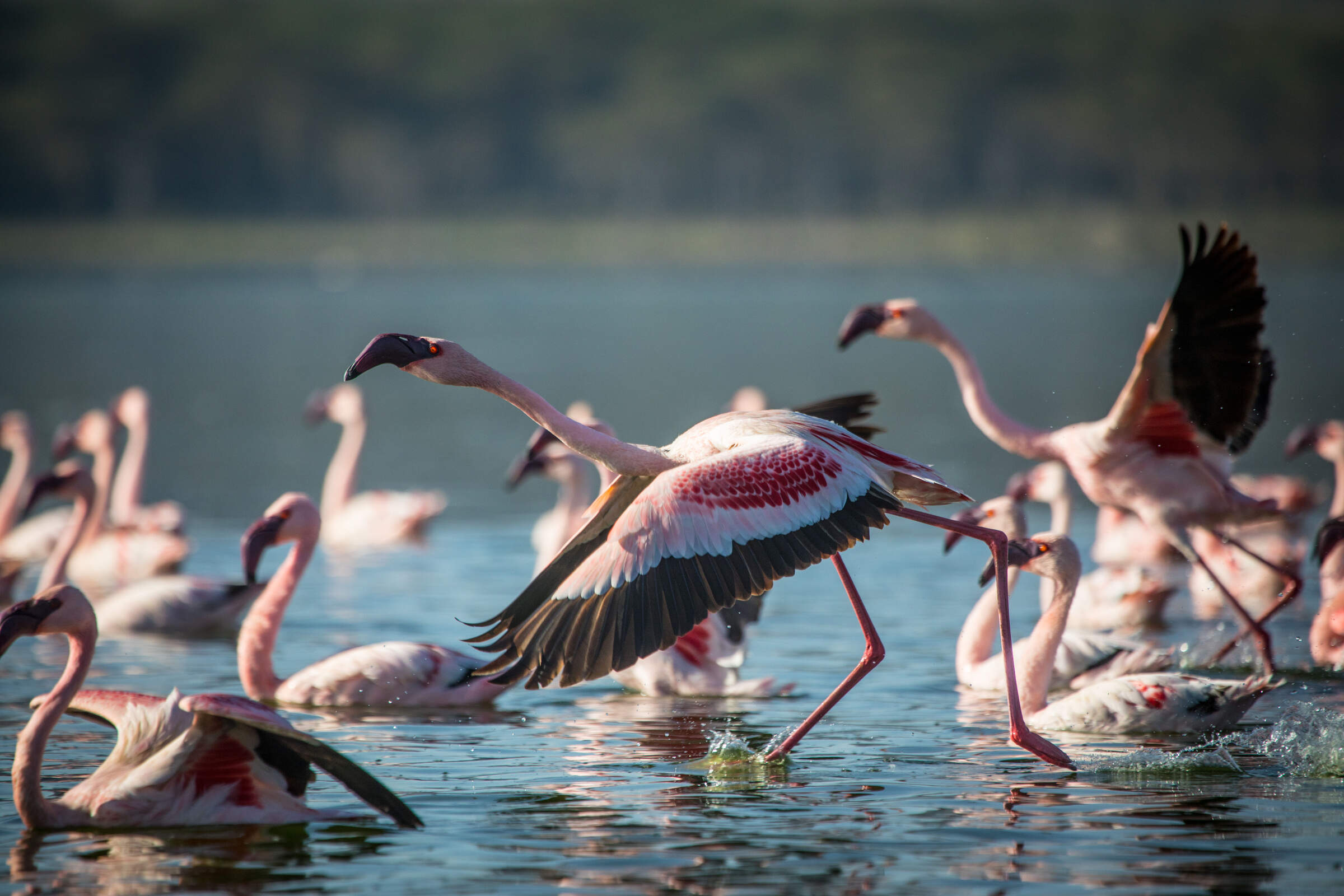
Wildlife Births Across Africa
February represents a season of new life in several African ecosystems. The Serengeti calving season provides the most famous example, but other animals also give birth during favorable conditions.
Newborn gazelles, zebras, wildebeest, and other antelope species create fascinating wildlife encounters. Young animals remain vulnerable, making the relationship between mothers and predators particularly intense.
Watching newborn animals learn to walk, feed, and respond to danger provides a different perspective on the safari experience.
These encounters also help travelers understand the natural cycles that sustain Africa’s ecosystems.
Beach and Safari Combinations
February provides excellent opportunities to combine an African safari with a beach holiday.
After exploring the Serengeti, travelers can fly to Zanzibar for several days of relaxation. The island offers warm temperatures, white-sand beaches, clear waters, and excellent opportunities for snorkeling and diving.
Kenya also offers outstanding combinations. Travelers can explore the Maasai Mara before continuing to Diani Beach, Watamu, or Malindi.
Uganda safari itineraries can connect with coastal destinations through regional flights, allowing travelers to combine wildlife adventures with tropical relaxation.
A safari and beach combination provides a balanced holiday filled with adventure and downtime.
Cultural Experiences in February
February also provides opportunities to explore African cultures alongside wildlife.
In Tanzania and Kenya, travelers can visit Maasai communities and learn about traditional lifestyles, livestock keeping, crafts, music, and cultural values.
Uganda offers diverse cultural experiences around its national parks. Travelers can meet local communities, experience traditional foods, visit craft workshops, and learn about local conservation initiatives.
Rwanda provides opportunities to explore traditional dance, local crafts, rural communities, and the country’s remarkable cultural heritage.
Adding cultural experiences makes a safari more meaningful by connecting wildlife landscapes with the people who live around them.
Safari Photography in February
February creates excellent conditions for wildlife photography. Green landscapes provide attractive backgrounds, while dramatic skies add depth to photographs.
The calving season creates exceptional subjects. Photographers can capture newborn wildebeest, protective mothers, playful young animals, and predator encounters.
Early morning and late afternoon provide the best natural light. Sunrise over the Serengeti can create spectacular images of large herds moving across the plains.
Because visitor numbers remain lower in some destinations, photographers can often spend more time at sightings without heavy vehicle congestion.
Where to Go on Safari in February
Tanzania remains the top choice for travelers who want to experience the Great Migration calving season. The southern Serengeti and Ndutu region provide outstanding wildlife viewing.
Uganda offers excellent gorilla trekking, chimpanzee tracking, wildlife viewing, and birdwatching.
Rwanda combines gorilla trekking, golden monkey trekking, cultural experiences, and comfortable luxury accommodation.
Kenya provides strong resident wildlife viewing in the Maasai Mara, alongside excellent coastal experiences.
South Africa offers diverse wildlife experiences in Kruger National Park and private reserves.
Botswana provides opportunities to explore the Okavango Delta, Chobe National Park, and other remarkable wilderness areas.
Is February a Good Month for an African Safari?
February ranks among the best months for travelers seeking green landscapes, abundant wildlife, and the Great Migration calving season.
Tanzania stands out because of the concentration of wildebeest and newborn animals in the southern Serengeti. Uganda and Rwanda offer outstanding primate trekking, while South Africa and Kenya provide strong general wildlife experiences.
Rain can occur during February, so travelers should prepare for changing conditions. However, the rainfall helps create lush landscapes and supports the abundance of wildlife that makes this season so rewarding.
For travelers who value dramatic wildlife encounters, photography, and fewer crowds, February offers an exceptional safari opportunity.
Plan Your February Safari
February brings Africa’s wilderness to life. Across the Serengeti, thousands of newborn animals take their first steps while predators follow the herds. In Uganda and Rwanda, ancient forests provide unforgettable encounters with gorillas, chimpanzees, and golden monkeys.
Travelers can also add cultural experiences, birdwatching, photography, or beach relaxation to create a complete African holiday.
A carefully planned February itinerary can reveal a side of Africa that feels vibrant, intimate, and full of life.