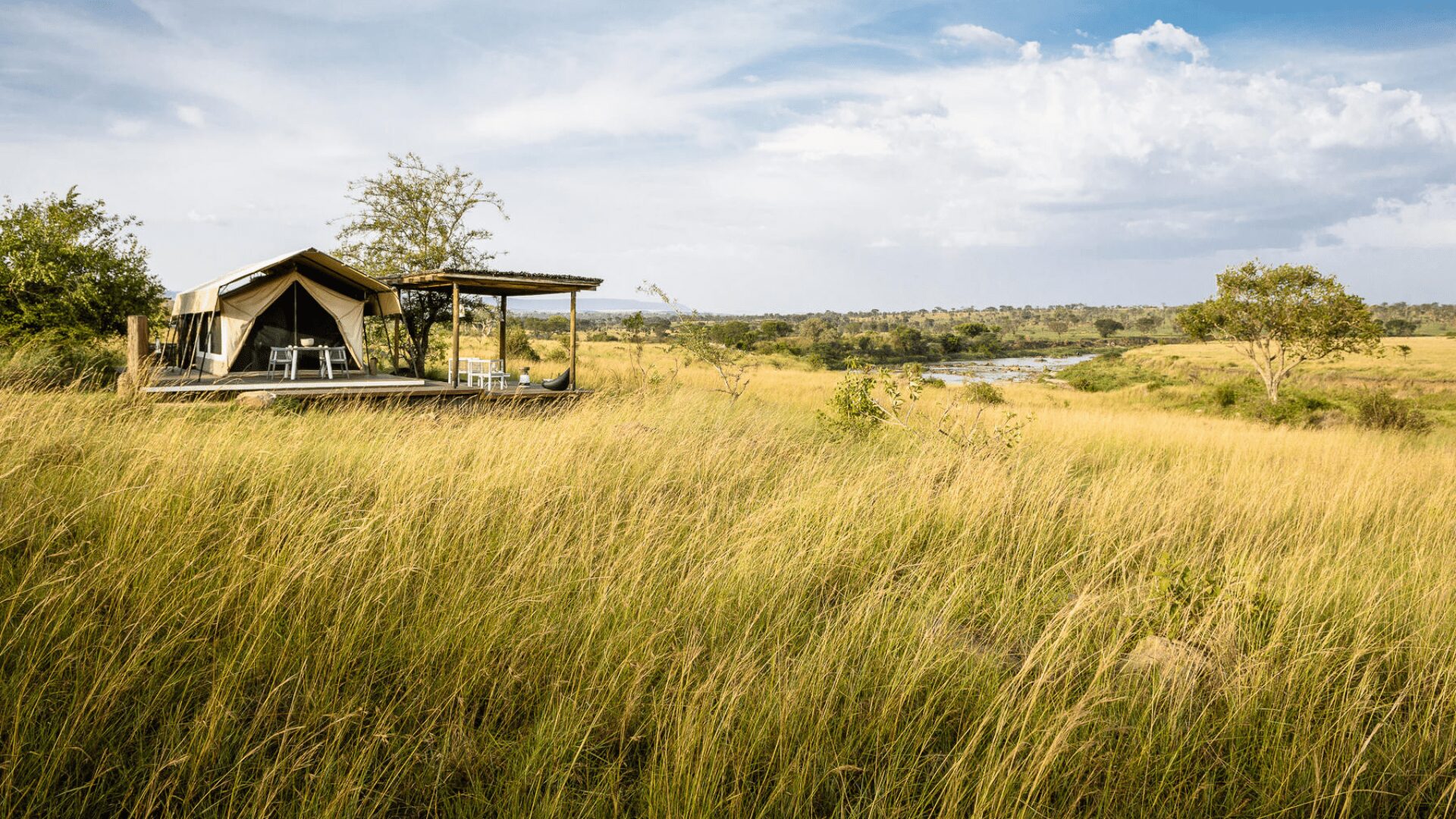
Africa Travel Trends 2026: New Destinations and Experiences Everyone Wants
African safari travel looks different in 2026. Several major trends now shape the market. Travel patterns changed after the pandemic, while conscious tourism continues to grow. New travelers from Southeast Asia and the Gulf region also show growing interest in Africa. Climate change continues to influence seasonal wildlife movements. At the same time, safari operators continue to develop remote destinations and improve tourism facilities.
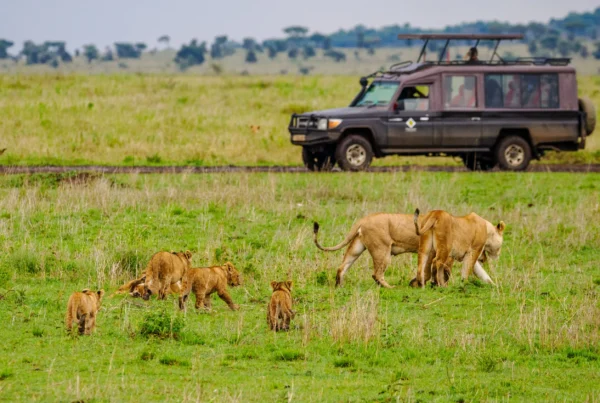
These changes matter to safari travelers. The best safari experiences no longer depend only on famous parks. Travelers who explore emerging destinations can enjoy quieter wilderness and deeper cultural experiences. They can also discover new conservation projects and specialist wildlife experiences.
The Shift Toward Deeper Safari Experiences
Many safari travelers now prefer depth over breadth. They choose fewer destinations and spend more time in each location. This approach allows them to understand individual ecosystems and connect with local communities. Many returning safari travelers already know the classic East and Southern African routes. They now seek experiences beyond traditional wildlife viewing. Conservation, culture, food, photography, and specialist wildlife experiences attract many of these travelers. Younger visitors also show strong interest in conservation. They often want more than a traditional Big Five checklist. Instead, they want meaningful experiences and genuine connections with African communities.
Emerging Safari Destinations in 2026
Off-the-Beaten-Path East and Southern Africa
Ethiopia stands among Africa’s most exciting emerging safari destinations. Improved tourism facilities have helped attract greater international interest. The country offers remarkable endemic wildlife, including the Ethiopian wolf, gelada, and walia ibex. Ethiopia also supports more than 800 bird species, including several endemics. The Simien Mountains provide exceptional opportunities to watch geladas at close range. Large groups move across the mountain slopes while visitors observe from nearby. The Bale Mountains offer another opportunity to search for Ethiopian wolves. The Sanetti Plateau reaches about 4,000 metres above sea level and provides a dramatic mountain setting.
Ethiopia also adds a strong cultural dimension to a safari. Travelers can explore the ancient rock-hewn churches of Lalibela and the historic castles of Gondar. The Omo Valley offers another remarkable cultural experience. The region contains extraordinary cultural diversity within a relatively small area. Travelers should research current security conditions before visiting Ethiopia. Conditions can differ greatly between regions. A specialist local operator can provide current information and help travelers plan their routes safely.
Mozambique’s Niassa Reserve: Africa’s Largest Wild Area
Mozambique’s Niassa Special Reserve covers about 42,000 square kilometres. It ranks among Africa’s largest protected wilderness areas. The reserve attracts experienced travelers who want remote wildlife experiences and fewer tourists. Niassa supports important elephant populations, with estimates ranging from 12,000 to 18,000 animals. Lions, leopards, wild dogs, sable antelopes, and Niassa wildebeest also live in the reserve. Miombo woodland covers much of the landscape and supports a wide range of bird species.
Niassa offers a genuine wilderness experience. Visitor numbers remain low compared with many famous safari parks. The reserve also offers a different experience from heavily visited destinations. Guides still continue to build detailed knowledge of wildlife movements across its vast landscapes. This creates a strong sense of exploration for experienced safari travelers.
Combining Niassa With Mozambique’s Coast
Mozambique also offers an excellent coastal extension after a Niassa safari. Travelers can combine remote wildlife viewing with time beside the Indian Ocean. The Quirimbas Archipelago offers beautiful beaches, coral reefs, and sea turtle nesting areas. A combined itinerary can include three nights in Niassa followed by four nights on a private island. This combination creates strong variety within one trip. Travelers can watch elephants in remote woodland before enjoying marine wildlife and tropical beaches along the coast.
Safari Experiences Defining 2026
What Travelers Want in 2026
Multi-generational safaris continue to attract strong interest in 2026. Families now travel with grandparents, parents, and children on the same itinerary. These trips require activities that suit different ages and interests. Good safari operators create shared experiences that bring the entire family together. Wildlife viewing, cultural activities, and conservation experiences can give every family member a role. These shared moments often become the most memorable parts of a family safari.
Immersive Conservation Safaris
Conservation travel has also grown from a specialist interest into a stronger safari market. Travelers increasingly want to participate in conservation rather than only observe wildlife. Activities can include wildlife monitoring, habitat restoration, community development, and anti-poaching support. Ol Pejeta Conservancy in Kenya offers conservation experiences for visitors. South Africa also provides programs that combine conservation work with wilderness experiences. Tanzania’s Mkomazi Rhino Sanctuary provides another conservation-focused option. These experiences allow travelers to support important projects while enjoying meaningful wildlife encounters.
Plan Your Safari
African safari travel continues to change in 2026. Travelers increasingly seek deeper experiences, quieter destinations, and stronger connections with conservation. Emerging destinations can provide exceptional wildlife encounters without the crowds found in some established parks. They can also offer richer cultural experiences and greater opportunities to support local conservation work.
Returning travelers can explore routes beyond the classic safari circuit. These itineraries can combine remote wilderness with comfortable accommodation and reliable logistics. Travelers can also combine wildlife experiences with cultural activities or beach stays.
Our team can help you choose destinations that match your interests and travel style. We can also design an itinerary that combines wildlife, culture, conservation, and relaxation. Contact African Wild Trekkers to discuss your 2026 safari plans and create a journey that feels new, meaningful, and memorable.