Gishwati Mukura National Park: Rwanda’s Newest Forest and Its Remarkable Recovery
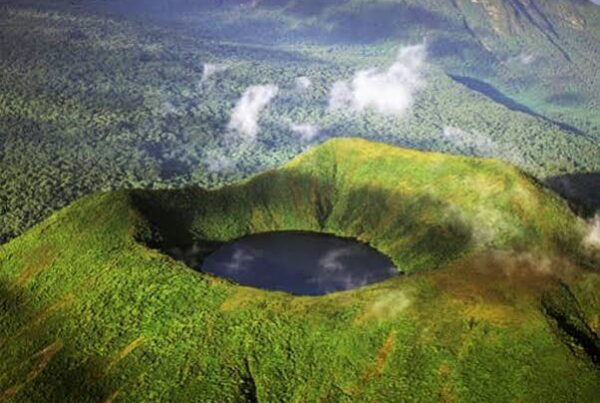
Gishwati Mukura National Park earned gazetted status in 2015, making it Rwanda’s newest national park and one of the continent’s most striking examples of forest ecosystem recovery from near-total destruction. The forest was reduced to less than 600 hectares from an original 250,000 hectares by agricultural encroachment and land clearing after the 1994 genocide, but sustained replanting and community partnership programs have restored it to over 3,600 hectares today. The park supports habituated chimpanzees, golden monkeys, L’Hoest’s monkeys, and over 232 bird species that returned as the forest canopy regenerated. African Wild Trekkers includes Gishwati Mukura in western Rwanda itineraries for travelers who want to experience a genuinely inspiring conservation success story alongside their primary wildlife activities.
Wildlife in Gishwati Mukura Forest
Chimpanzee Tracking in a Recovering Forest
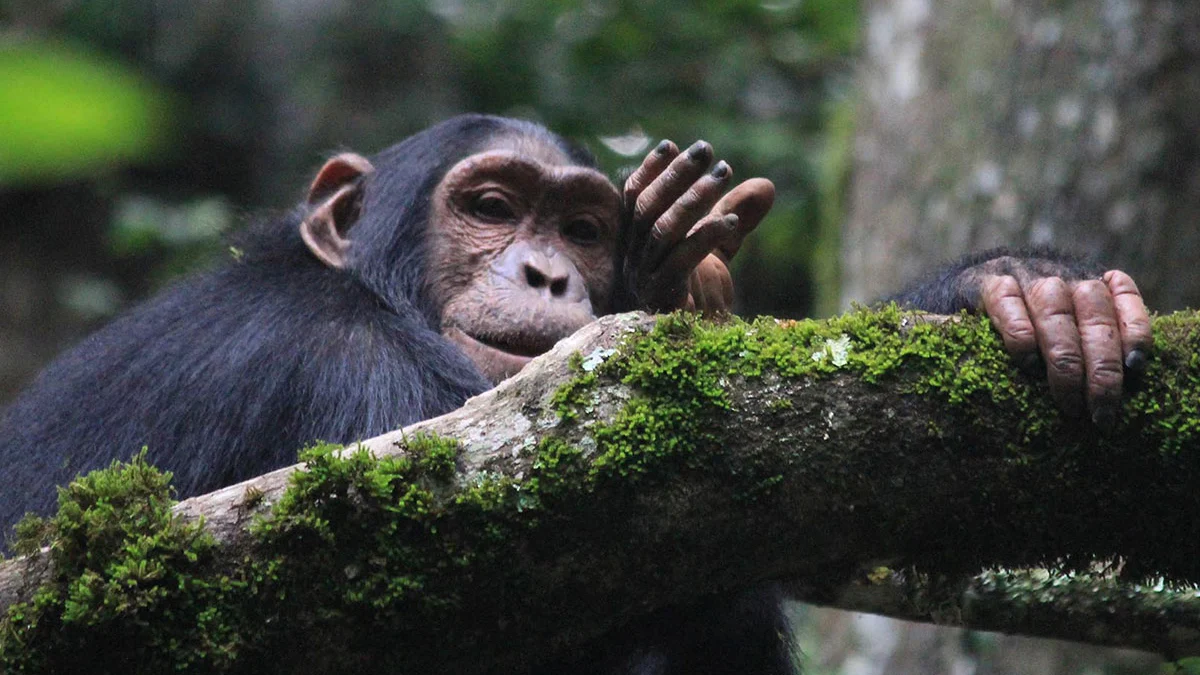
Gishwati Mukura hosts a habituated chimpanzee community of approximately 20 individuals that park rangers have acclimatized to human presence over several years of patient daily contact. Tracking these chimps through the recovering forest delivers an experience meaningfully different from Nyungwe or Kibale because the regenerating habitat creates visible layers of age — older established trees standing alongside ten-year saplings that show exactly where the forest receded and now grows back. Your guide explains the reforestation chronology during the trek, and this narrative adds a dimension of context that pure wildlife parks cannot offer. Chimpanzee tracking permits at Gishwati Mukura cost less than at Nyungwe or Uganda’s Kibale, which makes this an excellent value option for travelers who want a chimp encounter without the premium price. Sightings occur regularly because the small community size keeps the chimps in a predictable range within the forest.
Golden Monkeys and Other Primates
Golden monkeys moved back into Gishwati as the bamboo zones regenerated, and the park now supports a sizeable golden monkey community in the elevated sections where bamboo growth accelerated after replanting. Encountering golden monkeys in Gishwati differs from Volcanoes National Park because the Gishwati population moves through mixed forest rather than pure bamboo, creating different foraging behavior and photographic opportunities. L’Hoest’s monkeys, olive baboons, and red-tailed monkeys also inhabit the forest at varying elevations, and a full day in the park almost certainly produces sightings of multiple primate species without any deliberate multi-species search effort. The ranger team tracks group movements daily and adjusts tour routes based on where the most accessible primate concentrations sit on any given morning. This attentive daily tracking program makes Gishwati consistently reliable for primate encounters even during periods of higher rainfall when chimps move unpredictably.
Bird Species in a Forest in Recovery
Gishwati Mukura’s 232 recorded bird species include several Albertine Rift endemics that draw dedicated birding visitors specifically to this forest even when chimpanzees are not their primary interest. Grauer’s broadbill, handsome francolin, and the Rwenzori batis appear regularly on morning walks through the denser forest sections. The forest edge habitat along replanting boundaries creates excellent birding conditions because species from open country and closed canopy coexist within small areas, producing unusual density and variety on a single transect. Rwanda’s national birding list records confirm that species diversity in Gishwati has increased measurably each year as the canopy closes and edge habitat reaches the critical dimensions that specialist forest birds require. African Wild Trekkers recommends starting your Gishwati visit at dawn with a two-hour bird walk before the chimp tracking departure to maximize your species list for the day.
Getting to Gishwati Mukura National Park
Location and Drive Times
Gishwati Mukura National Park sits in western Rwanda between Rubavu and the tea estates of Nyabihu District, approximately 50 kilometers south of Rubavu town and 130 kilometers west of Kigali. The drive from Kigali takes roughly two hours 30 minutes via the paved road through Muhanga toward Rubavu, and the park entrance sits clearly marked off the main western highway. From Rubavu, the drive south to the park gate takes approximately one hour along a well-maintained paved road with excellent views of Lake Kivu appearing and disappearing as the road climbs and descends through tea-covered hills. The park position between Rubavu and Nyungwe Forest makes it a logical stop on a western Rwanda circuit that connects Lake Kivu activities to Nyungwe chimp tracking and canopy walking. African Wild Trekkers drivers know the Gishwati approach roads well and factor in the correct timings when building western Rwanda itineraries.
Accommodation Near the Park
The park visitor infrastructure remains modest compared to Rwanda’s more established parks, and the primary accommodation options are community guesthouses in nearby villages and mid-range lodges along the Lake Kivu road that serve as comfortable bases for day visits to the forest. Musanze-based lodges can also serve as a base for travelers combining Gishwati with a Volcanoes National Park visit, though the drive between them requires an early departure. The Rwanda Development Board’s investment in Gishwati visitor facilities continues to expand, and several lodge operators have announced plans to open properties near the park gate within the next two years. Camping facilities exist at the visitor center for budget travelers who want to spend the night inside the park perimeter and access the early morning primate tracking departure before other visitors arrive. African Wild Trekkers books accommodation near Gishwati based on availability and client budget, and the community guesthouses deliver genuine local hospitality at very reasonable rates.
Park Entry Fees and Permits in 2026
Chimpanzee tracking permits at Gishwati Mukura cost $60 USD per person in 2026 — significantly less than the $150 Nyungwe chimpanzee permit — making this an excellent value entry point into Rwandan primate tracking. General forest entry for bird walks and primate spotting without a specific tracking permit costs $10 USD per person. Golden monkey viewing follows a $30 USD permit structure when rangers can locate the group in advance and organize a dedicated golden monkey morning rather than an incidental sighting. Park entry fees contribute to the reforestation fund that continues expanding the forest boundaries and paying community rangers who patrol against illegal charcoal harvesting. African Wild Trekkers pays all permit fees on behalf of clients as part of the package cost, so no cash payment at the gate is necessary when traveling with us.
The Conservation Story Behind the Park
From Near-Extinction to National Park
Gishwati Forest shrank from 250,000 hectares to just 600 hectares between the 1970s and 2004 as agricultural expansion, logging, and post-genocide resettlement pressure removed the vast majority of the original forest cover. The remnant forest held fewer than 18 chimpanzees by 2004 — a functionally isolated population that conservationists feared would collapse entirely without intervention. The Gishwati Area Conservation Program launched in 2005 with a community-based reforestation strategy that paid smallholder farmers to plant indigenous tree species on degraded land adjacent to the surviving forest core. By 2015, the forest had expanded enough to support national park designation, and Rwanda Development Board formalized protection of the entire recovery zone under a single management structure. The speed of this recovery demonstrates what purposeful conservation investment achieves when communities receive meaningful economic benefits from forest protection rather than land clearing.
Community Benefits and Participation
Gishwati Mukura’s conservation model explicitly integrates surrounding communities as stakeholders rather than treating them as threats to be excluded, and this model explains why the reforestation program achieved scale that top-down enforcement alone never generates. Farmers receive seedling subsidies and payments for carbon sequestration credited to their replanted land, creating financial incentives aligned with forest expansion rather than clearing. Community rangers patrol the boundary and earn wages that compare favorably to alternative rural employment options, making the ranger role genuinely competitive rather than a charity appointment. Tourism revenue from chimp tracking and bird walk fees flows back to the community fund that finances school materials, health center supplies, and women’s cooperative programs in the adjacent villages. Visiting Gishwati Mukura connects you directly to this model by generating the revenue that makes community participation economically rational and therefore sustainable.
Plan Your Safari
Visit Gishwati Mukura on Your Rwanda Trip
African Wild Trekkers builds Gishwati Mukura visits into western Rwanda circuits combining Lake Kivu, Nyungwe Forest, and Volcanoes National Park. Contact us at africanwildtrekkers.com/contact to discuss routing options.
What Your Package Covers
Your Gishwati Mukura visit includes chimpanzee tracking permits, a knowledgeable ranger guide, park entry fees, and private transfers connecting the forest to your wider western Rwanda itinerary.
Request Your Western Rwanda Quote
Tell us your travel dates and Rwanda activity priorities and we will design an itinerary that includes Gishwati Mukura alongside your gorilla trek and lake experience. We respond within 24 hours at africanwildtrekkers.com/contact.