Gorilla Trekking vs Chimpanzee Trekking: Which Wildlife Adventure Is Right for You?
Wildlife enthusiasts often dream of seeing great apes in their natural habitat. However, many travellers struggle to choose between gorilla trekking and chimpanzee trekking. Both adventures offer unforgettable experiences, breathtaking scenery, and the opportunity to observe some of the world’s most intelligent primates. Even so, each trek delivers a completely different experience. Understanding these differences will help you choose the adventure that matches your interests, fitness level, and travel expectations.
When comparing gorilla trekking vs chimpanzee trekking, you should look beyond the destination. Instead, consider the trekking experience, wildlife behaviours, photography opportunities, conservation impact, and overall adventure. Although both activities take place in tropical forests, the similarities often end there.
This comprehensive guide explores every important aspect of gorilla trekking vs chimpanzee trekking. By the end, you will understand what makes each experience unique and feel confident about choosing the perfect wildlife adventure.
What Is Gorilla Trekking?
Gorilla trekking involves hiking through tropical forests in search of a habituated family of mountain or lowland gorillas. Professional trackers locate the gorillas before visitors enter the forest. Afterwards, experienced guides lead small groups along forest trails until they find the gorilla family.
The journey itself forms part of the adventure. You may walk through bamboo forests, cross streams, climb steep hills, or navigate dense vegetation. Every trek differs because gorillas move freely within their habitat.
Once you reach the gorillas, the atmosphere changes completely. Visitors usually spend one unforgettable hour observing these gentle giants from a safe distance. During that time, you can watch mothers caring for infants, playful juveniles wrestling together, and the dominant silverback calmly supervising the family.
Unlike many wildlife encounters, gorilla trekking creates an emotional connection. Looking into the eyes of a wild gorilla often leaves visitors with a profound appreciation for nature and wildlife conservation.
What Is Chimpanzee Trekking?
Chimpanzee trekking offers a completely different wildlife experience. Instead of observing calm gorilla families, visitors follow energetic chimpanzees through tropical forests.
Professional guides begin by listening for chimpanzee vocalizations or locating fresh signs of their movement. Once they find the troop, visitors continue tracking them through the forest while enjoying the sights and sounds of the surrounding ecosystem.
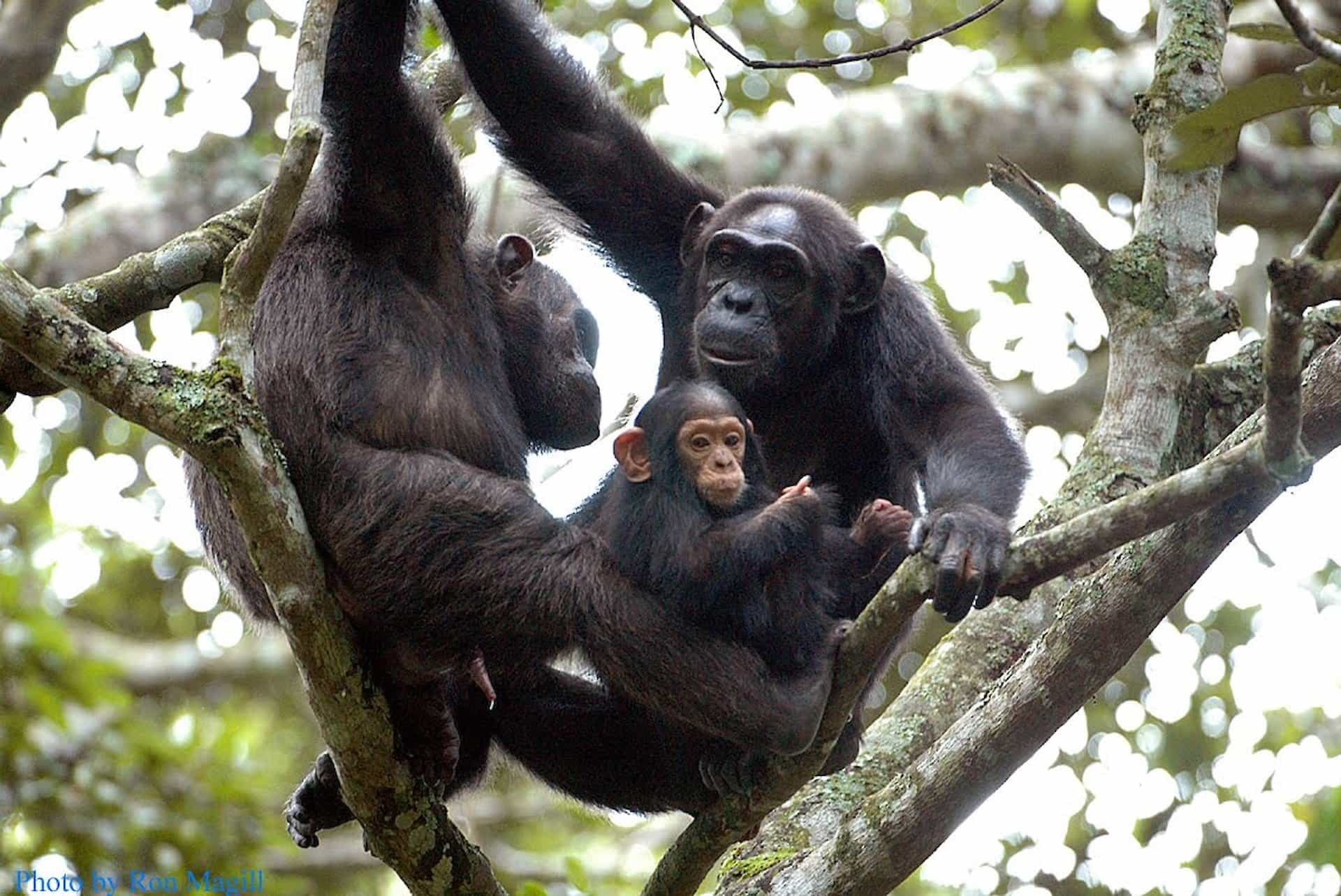
Chimpanzees rarely remain in one place. Instead, they climb trees, swing between branches, search for fruit, groom one another, and communicate through loud calls. Their energetic lifestyle creates an exciting and fast-paced trekking experience.
Furthermore, chimpanzees display remarkable intelligence. Visitors often observe them using tools, solving problems, and interacting in surprisingly human-like ways. These fascinating behaviors make chimpanzee trekking both educational and entertaining.
Gorilla Trekking vs Chimpanzee Trekking: Understanding the Main Differences
Although both adventures involve tracking primates in the wild, several key differences separate these experiences.
Wildlife Behavior
The biggest difference in gorilla trekking vs chimpanzee trekking lies in the animals themselves.
Gorillas spend much of their day eating leaves, resting, and interacting quietly with family members. Their calm behavior allows visitors to enjoy long periods of uninterrupted observation. Consequently, many people describe gorilla trekking as peaceful and deeply emotional.
Chimpanzees, however, rarely stop moving. They run across the forest floor, leap through tree branches, chase one another, and produce loud vocalizations that echo throughout the forest. As a result, chimpanzee trekking feels energetic, unpredictable, and exciting.
If you enjoy peaceful wildlife observation, gorilla trekking may suit you better. On the other hand, if you prefer action and constant movement, chimpanzee trekking offers a thrilling alternative.
Trekking Difficulty
Many travellers ask whether gorilla trekking or chimpanzee trekking requires more physical effort.
In general, gorilla trekking demands greater endurance. Since gorillas roam mountainous forests and thick vegetation, visitors often climb steep slopes and navigate muddy trails. Some treks last only one hour, while others continue for several hours before reaching the gorilla family.
Chimpanzee trekking usually follows more established forest trails. Nevertheless, chimpanzees move frequently, which means visitors often walk quickly to keep pace with the troop. Although the terrain may feel easier, the constant movement creates its own physical challenge.
Therefore, both adventures require moderate fitness. Preparing before your trip will make the experience much more enjoyable.
Wildlife Viewing Experience
The viewing experience also differs significantly.
After locating a gorilla family, visitors normally remain in one area for the entire viewing period. This arrangement allows everyone to observe natural behaviours without constantly changing positions.
Chimpanzee trekking presents a different challenge. Since chimpanzees move rapidly through the forest canopy, visitors must follow them carefully while searching for clear viewing opportunities. Sometimes they appear close to the ground, yet moments later they disappear into the trees.
Consequently, patience and quick observation skills improve your overall chimpanzee trekking experience.
The Forest Experience
Another important factor in gorilla trekking vs chimpanzee trekking involves the surrounding environment.
Gorilla habitats often feature mist-covered mountains, thick bamboo forests, giant ferns, and lush vegetation. Every step introduces new landscapes filled with colourful plants and diverse wildlife. Even before reaching the gorillas, the scenery creates a memorable adventure.
Chimpanzee habitats offer a different atmosphere. Visitors usually walk beneath towering trees while listening to birds, insects, and distant chimpanzee calls. Sunlight filters through the forest canopy, creating beautiful patterns across the trails.
Both environments provide outstanding opportunities for nature lovers. However, each forest possesses its own unique beauty.
Photography Opportunities
Photography enthusiasts frequently compare gorilla trekking vs chimpanzee trekking before planning their trip.
Gorillas usually remain in relatively open areas while feeding or resting. Therefore, photographers have enough time to adjust camera settings, compose images, and capture detailed portraits.
Chimpanzees present a greater challenge. They move quickly through changing light conditions, climb tall trees, and disappear behind dense vegetation within seconds. Consequently, photographers must react immediately to capture sharp images.
Regardless of your choice, remember to respect wildlife at all times. Avoid using flash photography because it may disturb the animals.
Social Behaviours and Family Life
One fascinating aspect of gorilla trekking vs chimpanzee trekking involves observing social relationships.
Gorillas live in stable family groups led by a powerful silverback. The silverback protects the group, resolves conflicts, and guides daily activities. Meanwhile, mothers care for young gorillas while juveniles spend much of their day playing together. Watching these family interactions often reminds visitors of human relationships.
Chimpanzees organize themselves differently. Instead of remaining together continuously, large communities regularly separate into smaller groups before reuniting later. This flexible social structure allows chimpanzees to search for food more efficiently while maintaining strong social bonds.
In addition, chimpanzees communicate through facial expressions, gestures, body language, and dozens of different vocal sounds. Their complex communication system continues to fascinate scientists around the world.
Fitness Preparation for Both Adventures
Proper preparation improves every wildlife adventure.
Several weeks before your trip, begin taking regular walks or hikes to strengthen your endurance. In addition, practice climbing stairs or walking on uneven ground whenever possible. These simple activities help prepare your body for forest trekking.
You should also invest in comfortable hiking boots with excellent grip. Lightweight long-sleeved clothing protects your skin from insects and vegetation, while waterproof jackets keep you comfortable during sudden rain showers.
Finally, carry enough drinking water and light snacks to maintain your energy throughout the trek.
Why Travelers Choose Gorilla Trekking
Many travellers place gorilla trekking at the top of their bucket list for good reason.
The opportunity to stand only a short distance from one of humanity’s closest relatives creates an emotional experience that few wildlife adventures can match. Every encounter feels personal because gorillas display gentle expressions, caring family relationships, and surprisingly human behavior.
Moreover, the peaceful atmosphere allows visitors to slow down, appreciate nature, and create memories that last a lifetime. Many people describe the experience as life-changing because it deepens their respect for wildlife and conservation
Which Adventure Offers a More Rewarding Experience?
Many travelers ask whether gorilla trekking or chimpanzee trekking offers the better experience. The truth is that each adventure appeals to different interests and travel styles. Gorilla trekking creates a calm and emotional encounter that allows visitors to observe gentle giants at close range. Chimpanzee trekking, in contrast, delivers an energetic and fast-paced experience filled with constant movement and excitement. Instead of asking which adventure is better, it makes more sense to consider which experience aligns with your expectations.
Gorillas often remain in one area while feeding, resting, or interacting with family members. This behavior gives visitors plenty of time to appreciate every detail, from the silverback’s commanding presence to the playful nature of young gorillas. Chimpanzees rarely stay still for long. They swing through the trees, communicate with loud vocalizations, and move rapidly across the forest. Consequently, every sighting feels spontaneous and thrilling.
The Role of Conservation in Primate Trekking
One of the most meaningful aspects of gorilla trekking vs chimpanzee trekking extends beyond the wildlife encounter itself. Both experiences support important conservation efforts that protect endangered primates and preserve their natural habitats. Every visitor contributes to these initiatives through responsible tourism, which provides funding for conservation programs, scientific research, habitat protection, and community development.
Conservation organizations also work closely with local communities to promote sustainable livelihoods. As tourism continues to grow responsibly, more people recognize the value of protecting forests instead of exploiting them for short-term economic gain. This partnership creates long-term benefits for wildlife, local residents, and future generations of travelers. Every trek therefore represents more than a memorable adventure. It also becomes a direct investment in the survival of some of the world’s most remarkable species.
Preparing for Your Wildlife Adventure
Good preparation can significantly improve your trekking experience. Before traveling, you should build your fitness by taking regular walks or hikes. Strengthening your legs and improving your endurance will make challenging trails feel much more manageable. Even moderate preparation can increase your confidence and allow you to enjoy the journey without unnecessary fatigue.
Choosing the right clothing also makes a noticeable difference. Comfortable hiking boots provide stability on uneven trails, while lightweight long-sleeved clothing protects your skin from insects and vegetation. A waterproof jacket offers valuable protection during unexpected rain showers because weather conditions can change quickly in tropical forests. Carrying enough drinking water throughout the trek will also help you stay comfortable and energized.
Mental preparation deserves equal attention. Wildlife sightings depend entirely on nature, so patience remains essential. Some groups of gorillas or chimpanzees appear within a short time, while others require several hours of hiking before guides locate them. Viewing the trek as an adventure rather than simply a destination makes the entire experience far more rewarding.
Photography During Gorilla and Chimpanzee Trekking
Photography enthusiasts often compare gorilla trekking vs chimpanzee trekking when deciding which experience better suits their interests. Gorilla trekking generally provides more opportunities for detailed photography because gorillas remain relatively still while feeding or resting. Visitors often have enough time to adjust camera settings, experiment with different angles, and capture expressive portraits.
Chimpanzee trekking presents a different challenge. Since chimpanzees move rapidly through the forest canopy, photographers must react quickly and remain alert throughout the encounter. Capturing sharp images requires patience, fast camera settings, and careful observation. Although photographing chimpanzees can prove more difficult, many photographers appreciate the excitement of documenting their energetic behavior.
Regardless of which adventure you choose, respecting wildlife should always remain the highest priority. Allow the animals to behave naturally, avoid sudden movements, and follow your guide’s instructions at all times. Responsible photography protects wildlife while also creating more authentic and meaningful images.
Why Many Travelers Choose Both Experiences
After comparing gorilla trekking vs chimpanzee trekking, many travellers decide that experiencing both adventures provides the greatest reward. Although the two activities involve tracking primates through tropical forests, they create completely different memories.
Gorilla trekking introduces visitors to peaceful family groups that display remarkable gentleness and strong social bonds. Chimpanzee trekking showcases intelligence, speed, curiosity, and dynamic interactions that reveal another fascinating side of primate life. Experiencing both adventures allows travellers to appreciate the diversity of these incredible animals while gaining a deeper understanding of the ecosystems they call home.
Combining both experiences also creates a richer travel story. Instead of focusing on a single species, visitors develop a broader appreciation for wildlife conservation and the importance of protecting forests that support countless other plants and animals.
Common Misconceptions About Gorilla Trekking and Chimpanzee Trekking
Several misconceptions often influence travellers before they book their adventure. Some people assume that gorilla trekking requires extreme athletic ability. While the trek can become physically demanding, many visitors with average fitness successfully complete the experience after preparing properly. Guides also adjust the pace to accommodate different participants whenever possible.
Others believe that chimpanzee trekking guarantees constant close-up sightings. In reality, chimpanzees move freely through the forest, and their location changes continuously. Their unpredictable behaviours forms part of the adventure and makes every successful sighting feel even more rewarding.
Another misconception suggests that one experience offers significantly greater value than the other. Both adventures provide exceptional wildlife encounters, unforgettable memories, and valuable contributions to conservation. Rather than comparing them as competitors, travelers should appreciate each experience for its unique qualities.
Making the Right Choice
Choosing between gorilla trekking and chimpanzee trekking ultimately depends on your personal travel goals. If you dream of spending quiet moments observing powerful yet gentle animals from close range, gorilla trekking will likely exceed your expectations. The emotional connection many visitors feel during these encounters often becomes the highlight of their entire journey.
If you prefer adventure, movement, and constantly changing wildlife behavior, chimpanzee trekking may suit you better. Every moment presents something new as chimpanzees communicate, forage, climb, and interact within their complex social groups. Their intelligence and energy create an unforgettable experience that keeps visitors fully engaged from beginning to end.
Regardless of your decision, approaching the experience with patience, curiosity, and respect will ensure a memorable adventure.
Final Thoughts on Gorilla Trekking vs Chimpanzee Trekking
The comparison between gorilla trekking vs chimpanzee trekking continues because both experiences rank among the world’s greatest wildlife adventures. Each trek offers an opportunity to witness extraordinary primates in their natural environment while supporting meaningful conservation efforts that protect endangered species and fragile ecosystems.
Gorilla trekking stands out for its peaceful atmosphere, intimate encounters, and emotional impact. Chimpanzee trekking captivates visitors through its excitement, constant movement, and fascinating displays of intelligence. Although the experiences differ in many ways, both deepen your appreciation for nature and strengthen your understanding of wildlife conservation.
Whether you choose gorilla trekking, chimpanzee trekking, or both, you will return home with unforgettable memories and a renewed respect for the natural world. Every step through the forest, every wildlife encounter, and every moment spent observing these incredible primates reminds us why protecting their habitats remains so important. That lasting connection to nature makes either adventure one of the most rewarding wildlife experiences you can enjoy.