Kenya Solo Safari Guide: Everything a Solo Traveler Needs to Know
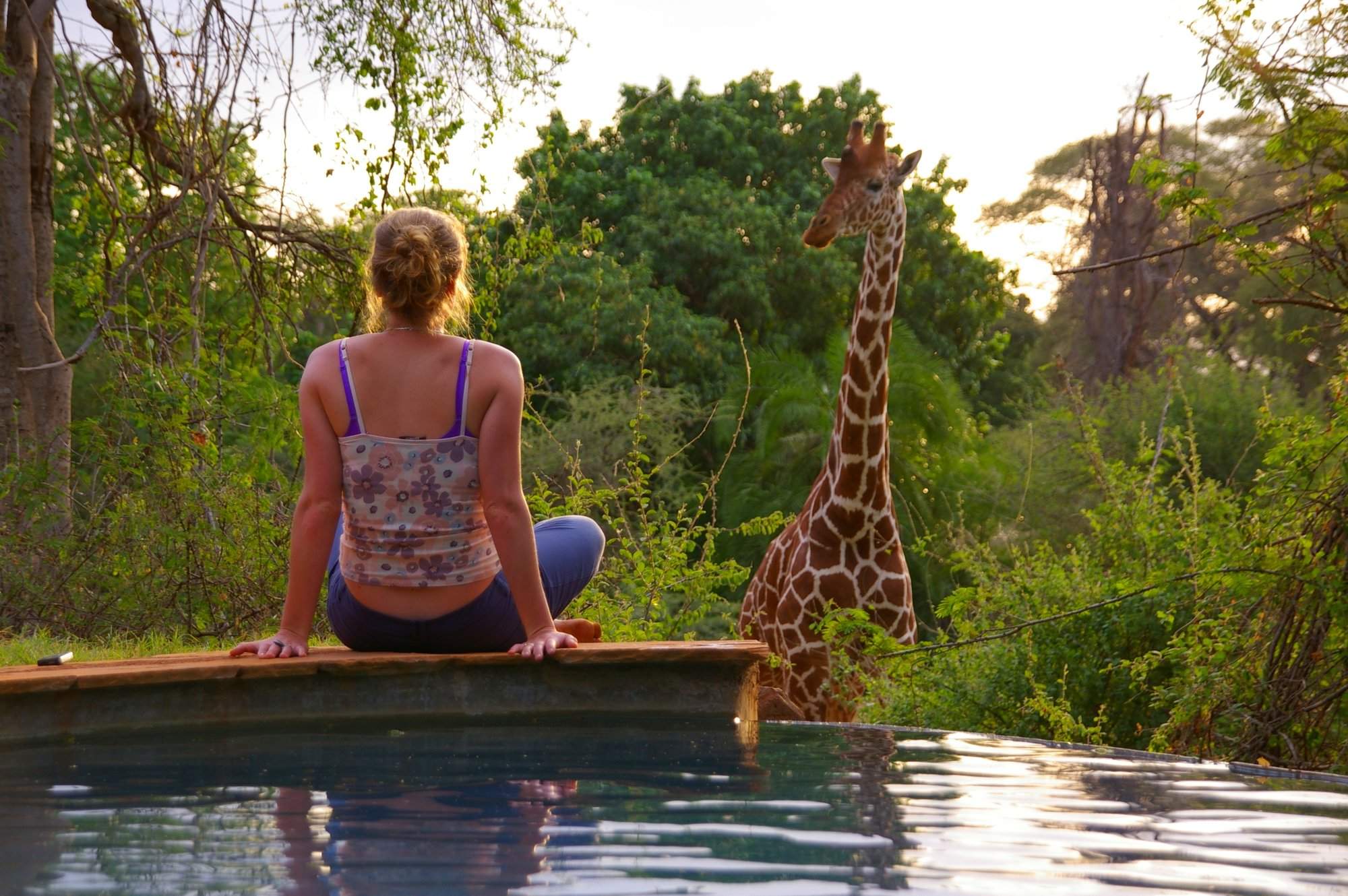
A Kenya solo safari is entirely viable, increasingly popular, and in some ways more rewarding than group travel. A solo traveler’s game-drive vehicle moves at their own pace, which allows full control over timing, positioning, and wildlife focus. The camp dinner can be as social or as quiet as the traveler wants, depending on personal preference and mood. The freedom to extend a sighting or change direction without negotiating with a companion creates a quality of personal engagement that group travel consistently dilutes. The main challenges are the single supplement cost — typically 30 to 50 percent above the per-person twin-share rate — and the absence of a travel companion who can share transport costs and logistics. African Wild Trekkers designs Kenya solo safari itineraries that minimize the cost premium through group departure options, advises on the right accommodation types for solo travelers, and provides 24-hour in-country support throughout every trip.
Costs and Single Supplement on Kenya Solo Safari
Understanding the Single Supplement
The single supplement exists because most Kenyan safari tents are priced on a twin-share basis—two people split the same room cost equally. When a solo traveler occupies a tent alone, the lodge charges the full twin-share rate plus a supplement of 25 to 50 percent to cover the second unoccupied bed’s revenue. At a mid-range camp charging $300 per person per night in a twin share, the single supplement adds $75 to $150 per night.
Over a seven-night stay, this is meaningful but manageable when weighed against the quality difference of traveling at your own pace versus compromising to find a travel companion. The same logic applies to vehicle costs — a private 4×4 at $200 per day splits to $100 each for two travelers, while the solo traveler pays the full $200. African Wild Trekkers presents the full single-traveler cost during the initial consultation so solo travelers see the complete figure before booking, not at invoicing.
Solo travelers can reduce the Kenya safari cost premium in several ways. Joining a small group departure—where African Wild Trekkers combines two or three independent solo travelers with compatible itineraries into one shared vehicle—eliminates the private vehicle premium entirely. Some Kenya safari camps waive the single supplement during the shoulder season months of May, June, January, and February to fill accommodation that would otherwise sit empty.
Ask specifically about supplement waivers rather than assuming they do not exist. The hot air balloon safari over the Maasai Mara costs $450 to $500 per person with no single supplement at all — solo travelers pay the same rate as couples and groups. African Wild Trekkers’ small group departure option is the most significant cost reduction available to solo travelers and frequently produces strong travel friendships as an additional benefit.
Solo Travel Safety in Kenya
Solo safety in Kenya’s safari destinations follows standard solo travel principles with a few East Africa-specific additions. Safari camps and conservancies provide excellent inherent security — perimeter guards, night escorts between accommodation and dining areas, and remote bush locations far from urban areas. The main safety considerations for a Kenyan solo safari apply to Nairobi transit. Solo travelers should not walk Nairobi streets at night and should use only Uber or hotel-arranged transport rather than street taxis.
Keep your passport, phone, and valuables in the hotel safe rather than on your person. In bush destinations—the Maasai Mara, Amboseli, Samburu, and Tsavo—the guide-led game drive format means the solo traveler is never actually alone in the field. The camp’s 24-hour ranger presence creates a security environment that solo travelers from any background find immediately reassuring. African Wild Trekkers maintains a 24-hour Kenya emergency contact for all solo clients throughout their stay.
Travel insurance matters more for solo travelers than for group travelers because no companion can activate emergency response on your behalf. Ensure your policy includes medical evacuation, trip cancellation for illness or injury, and a 24-hour international emergency helpline. The Flying Doctor scheme — $25 per trip or $50 for annual membership — adds specific Kenya evacuation coverage alongside standard international travel insurance.
Register your trip with your home country’s foreign ministry travel registration service before departure so your government can contact you in a national emergency — a five-minute online process. The solo traveler’s preparation discipline replaces the companion who would otherwise perform these awareness and safety functions as a matter of course.
Best Kenya Experiences for Solo Travelers
Parks and Activities That Suit Solo Travel
Kenya solo safari experiences specifically benefit from solo travel in the photography context. Without a companion’s preferences, the guide positions the vehicle exactly where and how long the photographer requires at each sighting. Solo travelers who focus on wildlife photography consistently report a Kenya solo safari as their most productive photography trip. The Nairobi cultural day—David Sheldrick Trust, Giraffe Centre, and Karen Blixen Museum—also suits solo travelers well because the timed entry slots fit individual timing more flexibly than group coordination.
Genuine one-on-one interactions with Sheldrick Trust keepers and Giraffe Centre staff tend to be more substantive for solo visitors than for group visitors at the same destinations. The hot air balloon safari places solo travelers in the communal basket alongside other guests, creating a naturally social 90-minute experience that most solo travelers find one of their trip’s most enjoyable social moments.
Bush walks and guided nature walks in Kenya’s conservancies suit solo travelers because the small group format—three to six participants with an armed guide—creates an immediate shared experience with other guests from different camps. The shared wildlife observation during the walk generates natural conversation that a cold-start solo camp dinner sometimes struggles to produce.
Maasai cultural village visits are equally enriching for solo travelers as for couples or groups—Maasai community members engage individual travelers with the same generosity as groups, and the undivided attention the solo traveler can give the guide’s cultural explanation often produces more substantive cultural exchange than a divided group visit. African Wild Trekkers builds village visits into solo Mara itineraries as a standard afternoon activity that provides the social and cultural engagement that bush camp wildlife focus alone cannot guarantee.
Meeting Other Travelers on Solo Kenya Safari
The social experience of a Kenyan solo safari depends significantly on accommodation type and camp size. A small conservancy camp of six tents with a communal dining table creates conditions where solo travelers meet and often befriend other guests within the first dinner service. A lodge of 30 rooms where individual tables allow couples and families to self-contain makes spontaneous conversation harder for solo travelers. African Wild Trekkers recommends small conservancy camps specifically for solo travelers who want social engagement alongside the wildlife.
Ol Pejeta Conservancy’s eco-friendly accommodation and Samburu’s private camps both operate the small communal dinner format that solo travelers consistently identify as the most socially rewarding Kenya accommodation configuration. Both destinations’ wildlife diversity provides the natural shared reference point—this morning’s wild dog hunt, yesterday’s leopard sighting—that generates conversation between guests who have never previously met.
Online Kenya safari community forums—particularly the Tripadvisor Kenya Safari forum and SafariTalk.net—connect solo travelers planning similar itineraries and often produce compatible travel companions for shared vehicle departures before booking. African Wild Trekkers can connect solo travelers who contact the team with compatible interests and dates to other solo clients considering shared departures.
This peer-connection service requires advance notice—ideally two to three months before departure—but consistently produces the most compatible pairings because the team understands both travelers’ wildlife priorities, photography interests, and social preferences from the initial consultation before making any introduction.
Plan Your Safari
Kenya solo safari itineraries that minimize the single supplement premium through group departures or shoulder season waiver periods require advance booking to secure specific departure dates and accommodation allocations. African Wild Trekkers advises solo travelers on the current single supplement status at each preferred camp and matches compatible solo travelers for shared departures where both parties agree before booking.
Your Kenya solo safari package includes a Nairobi hotel, domestic flights, private or shared vehicle game drives, full-board accommodation at small, intimate camps suited to solo social engagement, all park and conservancy fees, and 24-hour in-country support from the African Wild Trekkers operations team throughout your stay.
Contact African Wild Trekkers at africanwildtrekkers.com/contact with your travel dates and solo supplement preferences, and we will design a complete Kenya solo safari itinerary with confirmed costs within 24 hours.
If you want next-level optimization, I can also:
- convert this into high-ranking WordPress SEO layout (H1/H2/H3 structure + schema suggestions)
- or rewrite it into a luxury magazine editorial tone (Condé Nast safari style)
- or build internal linking strategy across your Kenya safari blogs