Kilimanjaro Serengeti Safari Combo: Climb and Safari Back to Back
Kilimanjaro and the Serengeti: Tanzania’s Ultimate Back-to-Back Experience
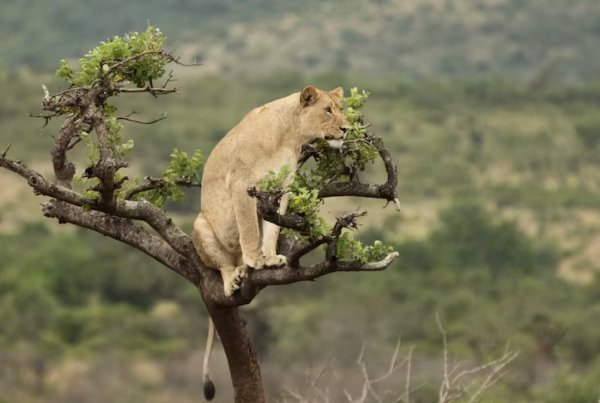
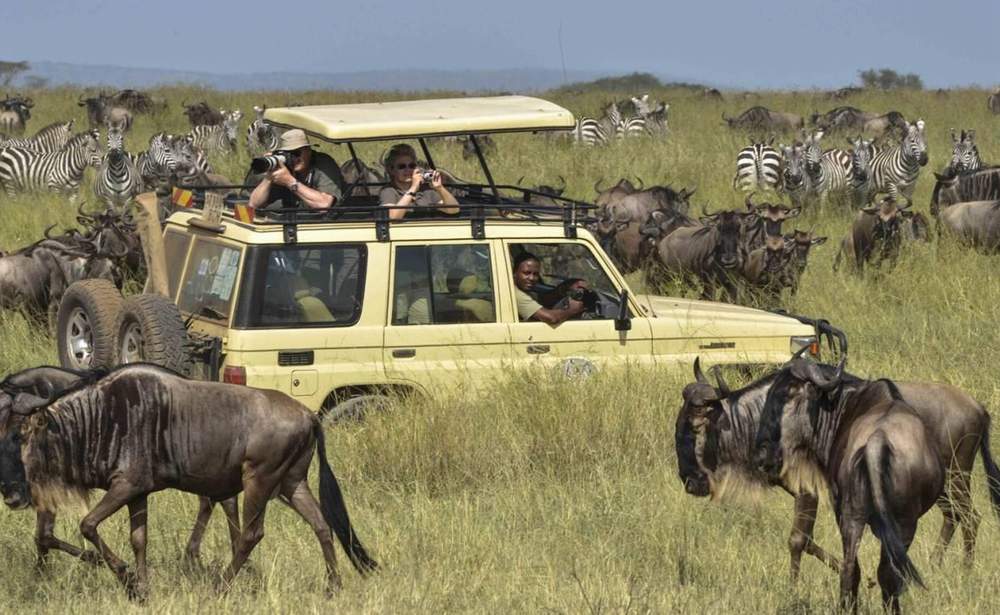
Combining Kilimanjaro with a Serengeti safari creates one of Tanzania’s most complete and most contrasting travel itineraries. Seven to nine days on Africa’s highest peak, moving through rainforest and alpine desert to a glaciated summit, followed by three to five days in the vast open savannahs. The two experiences are separated by a short flight and connected by Tanzania’s extraordinary natural heritage. Lions hunt and wildebeest herds move in their ancient circuits across the plains below. The transition from mountain to plains carries its own particular magic. The body recovers in the luxury of a safari camp while the eyes take in a landscape that looks as different from Kilimanjaro’s slopes as any two environments on the same continent can.
Why the Combination Works So Well
The Kilimanjaro-Serengeti combination works because the two experiences complement each other in character, physical intensity, and geographical proximity. The logistics of connecting them are straightforward and the experiential contrast is genuinely rewarding.
The Physical and Experiential Contrast
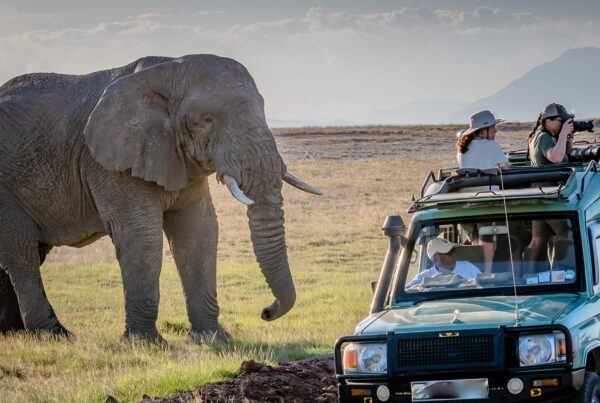
Kilimanjaro is a demanding physical achievement: consecutive days of trekking at altitude, cold nights in mountain tents, the challenge of the summit push. And the emotional arc of earning Africa’s highest point through sustained effort. The Serengeti safari that follows is the opposite in almost every dimension. It offers passive luxury from a safari vehicle, warm savannah days, the comfortable beds of a tented camp. And the effortless spectacle of wildlife moving freely across an ancient landscape. The transition from physical challenge to sensory luxury is one of the most satisfying experiential arcs available in adventure travel. The Kilimanjaro-Serengeti sequence follows it almost perfectly.
The Serengeti also provides the recovery time that the body needs after a Kilimanjaro summit. Three to five days of game drives and lodge comfort allow the muscles, the acclimatisation response. And the immune system to recover from the mountain. The traveler remains deeply engaged in extraordinary wildlife experiences rather than simply resting passively. Many Kilimanjaro climbers report that the safari days after the mountain are among the most vivid and absorbing of the entire trip. The contrast with what has preceded them is stark. The physical recovery also makes simple pleasures. Good food, warm sun, comfortable beds. Feel genuinely luxurious after days of mountain camping.
Geographic Proximity and Logistics
Kilimanjaro and the Serengeti are both in northern Tanzania, and the transition between them is logistically simple. After descending from the mountain to Moshi or Arusha for one night’s rest and the summit certificate ceremony, a scheduled light aircraft flight from Arusha’s small airport to the Serengeti airstrips takes under two hours. This flight itself provides a spectacular aerial perspective on the landscapes of northern Tanzania. Volcanic calderas, the Rift Valley escarpment. And the vast carpet of the Serengeti ecosystem stretching to the horizon. Arriving at a Serengeti bush camp by mid-morning after a dawn Arusha departure puts a climber in the best wildlife zone with a full afternoon and evening for the first game drive.
The overland alternative — a road transfer from Arusha to the Serengeti — takes five to six hours each way. It is a reasonable option for travelers who prefer road travel or want to avoid the light aircraft cost. However, it consumes a significant portion of the safari’s available days in transit. For a 14 to 15 day combined itinerary where days are valuable, flying into the Serengeti is the correct investment. The time saved translates directly into additional hours in the park rather than in a vehicle watching the road.
Sample Itinerary Structures
Several itinerary structures work well for the Kilimanjaro-Serengeti combination depending on total available days and budget level.
The 14-Day Classic: Lemosho Plus Serengeti
A 14-day Kilimanjaro-Serengeti-Ngorongoro itinerary allocates eight days to the Lemosho Route climb including the acclimatisation day. One rest day in Moshi or Arusha follows the descent. Three days of Serengeti game drives come next, then two days covering Ngorongoro Crater and Lake Manyara on the way back to Kilimanjaro airport. This structure is efficient and covers the essential highlights of northern Tanzania’s two great wildlife experiences. It fits within a fortnight that most working travelers can manage within an extended leave allowance.
The 14-day version requires prioritising the Serengeti zones that deliver the best current wildlife rather than trying to cover the park comprehensively. Wildlife quality varies seasonally. From January through March the southern Serengeti’s calving season makes that zone the priority. From June through October the Mara River crossings in the northern Serengeti are the compelling attraction. Year-round, the central Serengeti around Seronera delivers reliable big cat encounters and excellent all-around game viewing. This suits the time-limited safari section of this combined itinerary.
The 17-Day Extended: Northern Circuit Plus Full Serengeti Circuit
A 17-day itinerary substitutes the Northern Circuit’s nine days for Lemosho’s eight. It adds an additional Serengeti day for a total of four game drive days covering central and northern zones. Ngorongoro and Manyara are extended to three days including a full crater descent. This structure delivers the highest possible summit success rate on the mountain and the most comprehensive northern Tanzania safari circuit. Travelers who can take 17 to 18 days benefit from the additional day on each element. Each extra day in the Serengeti and the Crater delivers genuine wildlife value. The nine-day Northern Circuit’s acclimatisation advantage over Lemosho is also meaningful for first-time climbers.
Adding Zanzibar as a final three to four day beach extension turns the 17-day mountain-safari itinerary into a comprehensive Tanzania experience. It covers every major aspect of the country’s appeal: mountain, wildlife, and ocean. The Zanzibar flight from Dar es Salaam or Arusha adds one transit day. But the beach recovery is particularly valuable after 17 days of physical and sensory intensity. The full 20-day Tanzania itinerary. Northern Circuit, Serengeti, Ngorongoro, Zanzibar. Is one of the most complete single-country experiences available in East Africa.
Plan Your Safari
Kilimanjaro-Serengeti combination itineraries should be booked three to four months ahead for peak season dates. The best Serengeti camp locations in July through October fill well in advance. Summit dates on popular routes like Lemosho and Machame also book out during peak months. The interdependence of the mountain and safari segments means the entire itinerary needs confirmation before you lock in either element.
African Wild Trekkers designs and operates Kilimanjaro-Serengeti combination packages as single integrated itineraries with one point of contact for the entire trip. Every package includes the Kilimanjaro climb with full team and permits, the post-climb rest accommodation, internal flights between Arusha and the Serengeti, safari vehicles and experienced naturalist guides. And quality lodge and tented camp accommodation throughout both the mountain and safari sections.
Contact African Wild Trekkers at africanwildtrekkers.com/contact with your preferred dates and available days and we will design the right Kilimanjaro-Serengeti combination within 24 hours.