Kilimanjaro, Uganda, Gorillas: Summit Africa’s Highest Peak Then Trek Primates
Kilimanjaro and Uganda Gorillas: Two East African Bucket List Experiences Combined
Combining Kilimanjaro with Uganda gorilla trekking creates one of East Africa’s most remarkable multi-country itineraries. It pairs Africa’s highest summit with one of the world’s most intimate wildlife encounters. The two experiences could not be more different in character. One demands physical endurance and cold isolation on a high-altitude summit push. The other offers humid forest intimacy, sitting meters from a mountain gorilla family in Bwindi Impenetrable Forest. This contrast of peak to prairie, ice field to equatorial forest, and volcanic rock to ancient mahogany makes the combination so memorable. It is precisely what so many travelers seek when they want East Africa’s defining experiences.
Why These Two Experiences Belong Together
Kilimanjaro and Ugandan gorilla trekking are the two most globally famous experiences in East Africa. Combining them within a single trip delivers a depth and diversity of experience that neither country alone can match.
Africa’s Highest Peak
Kilimanjaro’s summit at 5,895 meters is a personal achievement most climbers describe as one of their greatest physical accomplishments. The mountain’s non-technical routes make this achievement accessible to fit, well-prepared adults without mountaineering backgrounds. This combination of significant challenge without technical barriers is genuinely rare among the world’s great mountain objectives. Standing at Uhuru Peak at dawn with Africa spread below the cloudline is a visual and emotional experience that registers profoundly. The glaciers glowing in morning light add to an encounter unlike any other in travel.
The Kilimanjaro climb also provides an unusual kind of psychological preparation for the gorilla trekking that follows. The mountain demands sustained effort and patience. It rewards deliberate pace over impulsive rushing. It creates an appreciation for achieved intimacy with natural environments that frames the gorilla encounter differently. This is unlike arriving at the forest directly from an international flight. Climbers who have earned Africa’s highest point arrive at Bwindi with a different quality of presence and attention than those who have not undergone comparable physical challenge beforehand.
Mountain Gorilla Trekking in Uganda
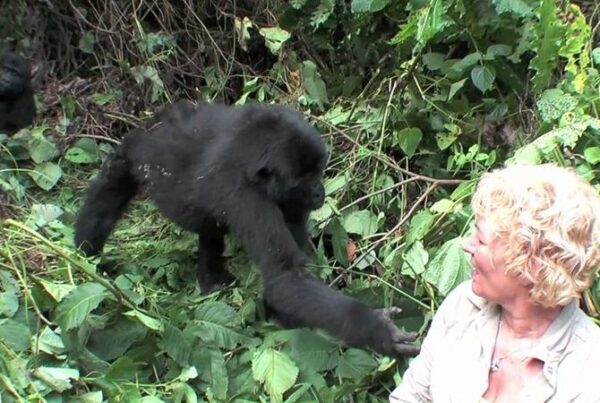
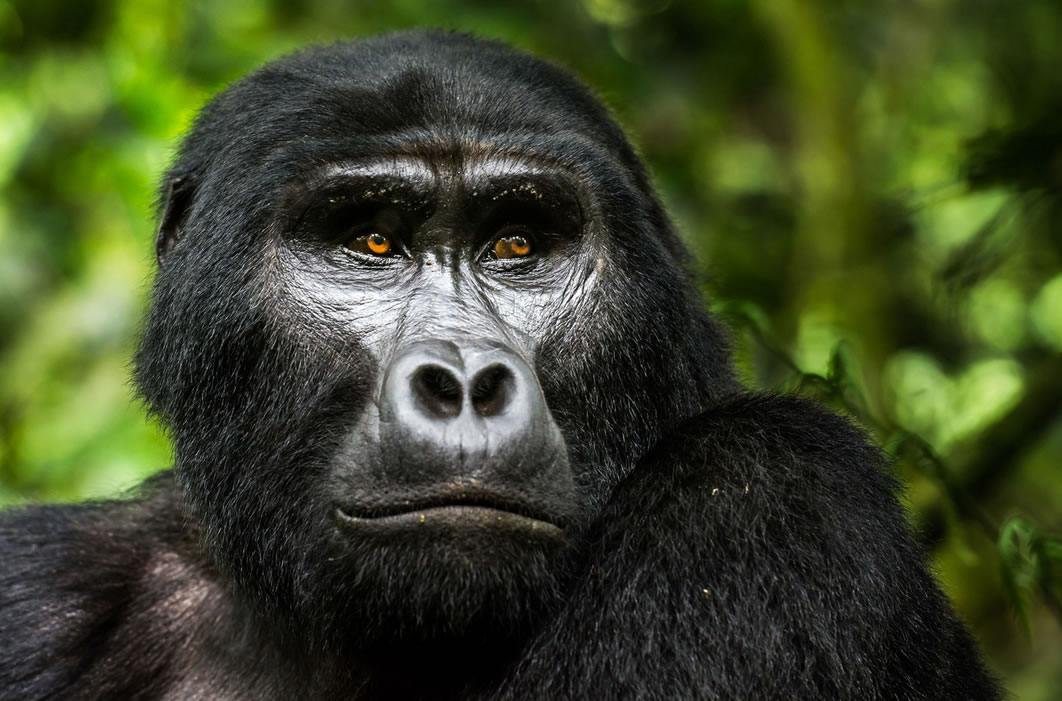
Uganda’s Bwindi Impenetrable Forest holds roughly half the world’s remaining mountain gorillas. The gorilla trekking permit offers one hour with a habituated family group. The encounter itself is among the most emotionally powerful wildlife experiences available anywhere on earth. You sit within meters of a silverback gorilla. You watch infant gorillas play in the vegetation. Observe the complex social interactions of a family with distinct individual personalities developed over years of researcher observation. No documentary preparation or zoo experience anticipates the physical reality of this encounter.
Uganda’s gorilla permit at $700 per person is the most cost-effective entry point to mountain gorilla trekking in the world. It is significantly less than Rwanda’s $1,500 permit while offering access to the same mountain gorilla species in habituated family groups of comparable quality. Combining the Bwindi gorilla experience with chimpanzee trekking in Kibale Forest National Park adds further depth. Open savannah game viewing in Queen Elizabeth National Park creates a western Uganda circuit of extraordinary ecological diversity. All of this is achievable within a few days of additional travel beyond the gorilla trek itself.
Building the Itinerary
The practical challenge of combining Kilimanjaro with Ugandan gorilla trekking is the geography. The two experiences are in different countries, separated by Kenya. They require either overland travel through Kenya or domestic and regional flights to connect efficiently. The standard routing flies from Kilimanjaro to Entebbe via Nairobi or routes overland through Kenya. Both options are manageable with correct planning.
Routing and Logistics
The most common routing departs from Kilimanjaro International Airport or Nairobi after the mountain descent. It flies to Entebbe and begins the Uganda circuit with a transfer to the western parks. Flights between Nairobi and Entebbe run multiple times daily, making the connection straightforward. The Kilimanjaro to Entebbe routing adds one transit day to the overall itinerary. A night in Nairobi or at an Entebbe airport hotel also provides rest time for post-mountain recovery. The legs and immune system benefit from this rest before the forest trekking begins.
Within Uganda, the western circuit connects Kibale Forest, Queen Elizabeth National Park, and Bwindi Impenetrable Forest. It can be covered by overland vehicle transfer—the roads have improved significantly in recent years. Scheduled light aircraft between Entebbe, Kasese, and Kihihi airstrips is also an option. Flying between parks saves overland transfer time. It is the right choice for itineraries of 14 days or fewer where days are genuinely precious. A comprehensive Uganda circuit including chimpanzee trekking and a Queen Elizabeth safari. And two nights in Bwindi requires five to seven Uganda days minimum to cover without feeling rushed.
Total Trip Length
A complete Kilimanjaro-Uganda gorillas itinerary runs comfortably between 14 and 18 days. A 14-day structure allocates eight days to the Lemosho Route climb, one transit day via Nairobi to Entebbe, and five Uganda days. Those Uganda days cover Kibale chimpanzee trekking, Queen Elizabeth savannah, and a boat safari. And two nights in Bwindi for the gorilla trek. This is efficient but manageable, provided internal Uganda flights connect the parks to avoid consuming days in overland transit. An 18-day version extends the Uganda circuit with an additional day in Queen Elizabeth. It can also include a visit to Murchison Falls National Park or more time in Bwindi. Including the gorilla habituation experience that allows up to four hours with a family group.
Sequence Kilimanjaro before Uganda rather than the reverse. The altitude acclimatization from the mountain maintains residual physiological benefits that help with the physical demands of gorilla trekking. Forest treks in Bwindi can range from a gentle two-hour walk to a full-day challenge depending on where the gorilla family has moved. Arriving from the mountain’s acclimatization-induced elevated red blood cell count provides a meaningful energy advantage. This is especially true during extended trekking days in dense forest at 2,000 to 2,500 meters elevation.
Plan Your Safari
Secure Uganda gorilla permits for Bwindi Impenetrable Forest many months in advance for peak-season dates. Plan and book the entire Kilimanjaro-Uganda itinerary as a single package. This ensures that permit dates, mountain summit timing, and inter-country flights align correctly. Booking components separately through different operators risks date conflicts between the two countries. These conflicts are expensive and difficult to resolve close to departure.
African Wild Trekkers designs and operates Kilimanjaro-Uganda combination itineraries. We cover the mountain climb, all inter-country transfers, Uganda gorilla and chimpanzee permits, western Uganda park visits, and quality accommodation throughout. The entire two-country experience is handled as a single integrated package from first arrival to final departure.
Contact African Wild Trekkers at africanwildtrekkers.com/contact with your available dates, and we will design the perfect Kilimanjaro-Uganda gorilla itinerary within 24 hours.