Meru National Park Kenya: The Land of Elsa and the Big Five
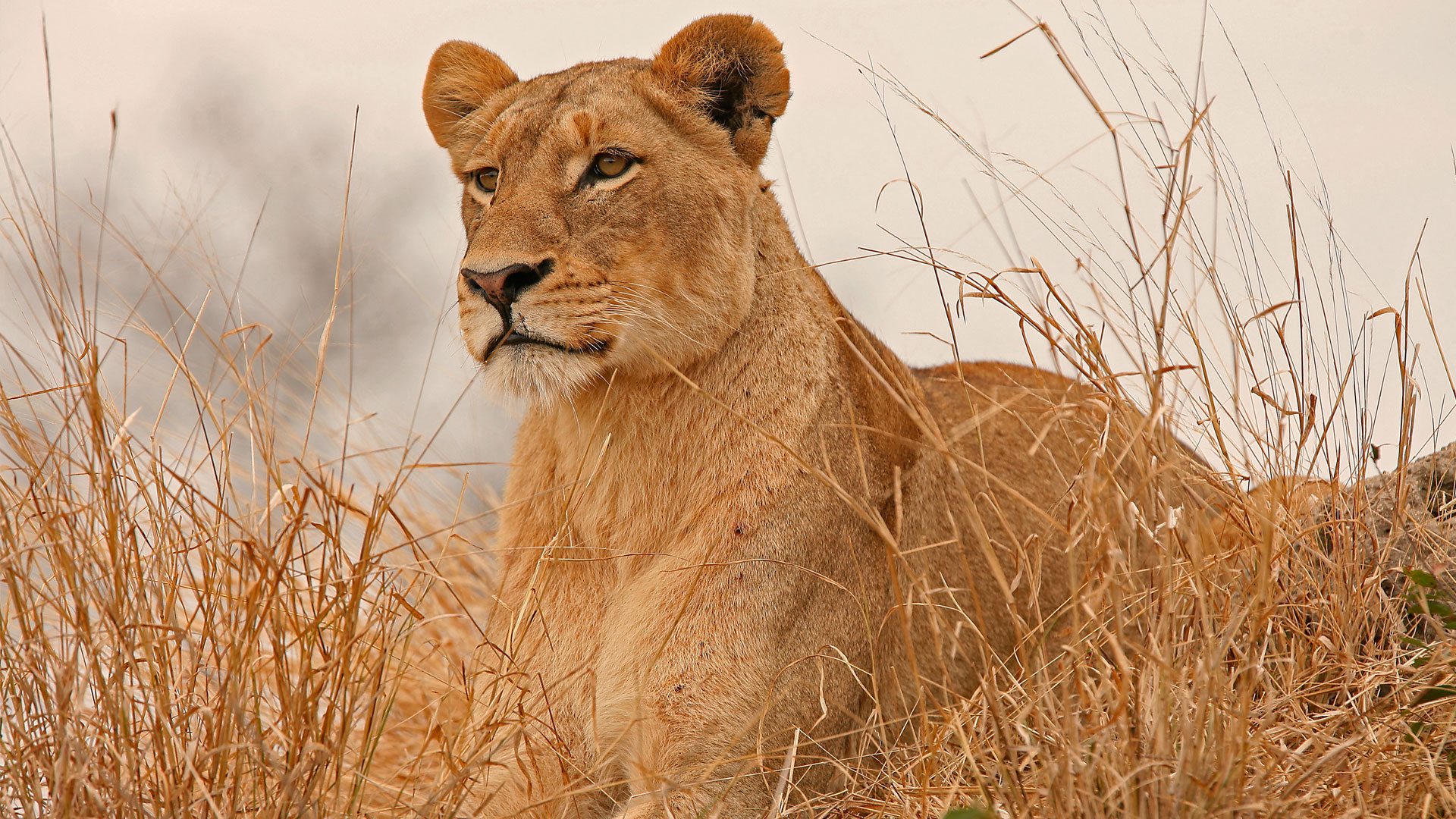
Meru National Park, Kenya, is one of East Africa’s most scenic and wildlife-rich national parks. This 870-square-kilometer park in central Kenya is famous as the setting of Joy Adamson’s Born Free story. Elsa the lioness was raised and released in Meru National Park, Kenya. The park holds the Big Five and a sanctuary for the critically endangered black rhino. Meru National Park’s diverse habitat of palm forest, open grassland, and riverine doum palms creates exceptional wildlife diversity. The Tana River and its tributaries flow through Meru National Park, Kenya, and attract large concentrations of hippos and crocodiles.
Meru National Park, Kenya, sits on the northern slopes of Mount Kenya. The park spans an altitude range from 300 to 1,000 meters. This altitude gradient creates different vegetation zones from lowland acacia savanna to montane riverine forest. Meru National Park, Kenya, receives less tourist traffic than Amboseli or the Maasai Mara. This lower visitor pressure creates a very peaceful and uncrowded wildlife viewing experience. Game drives at Meru National Park, Kenya, produce the feeling of wilderness solitude that heavily visited parks rarely deliver.
Meru National Park Kenya Wildlife
Big Five at Meru National Park, Kenya
Meru National Park, Kenya, holds elephants, lions, leopards, buffalo, and white rhinos as its Big Five. The black rhino sanctuary in Meru National Park, Kenya, holds one of Kenya’s most significant endangered populations. The Kenya Wildlife Service manages the Meru National Park Kenya rhino sanctuary with intensive 24-hour protection. Rhino tracking on foot with a KWS ranger is available at Meru National Park, Kenya, by advance arrangement. Finding black rhinos on foot in the Meru National Park Kenya sanctuary is one of Kenya’s most exclusive wildlife experiences. Fewer than 50 black rhinos survive in the Meru National Park Kenya sanctuary at any time.
Lion prides at Meru National Park, Kenya, hunt along the Tana River system throughout the year. The riverine forest edges provide dense cover for lion ambush sites. Buffalo herds of 50 to 200 animals graze the Meru National Park, Kenya, open grassland sections. Leopards are regularly encountered at Meru National Park, Kenya, due to the abundant doum palm and riverine forest habitat. Cheetahs inhabit the open grassland sections of Meru National Park, Kenya, in small family groups. The combination of all the Big Five plus cheetahs makes Meru National Park, Kenya, one of Kenya’s most complete wildlife destinations.
Specialist Wildlife at Meru National Park, Kenya
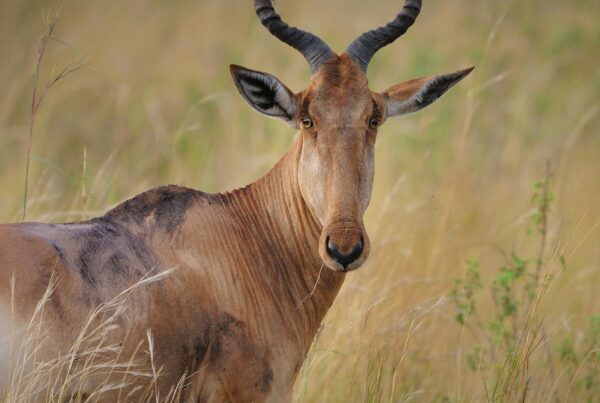
Meru National Park, Kenya, holds several northern Kenya specialist species not found in southern parks. The reticulated giraffe inhabits Meru National Park, Kenya, in preference to the common Maasai giraffe of the south. This beautiful geometric-patterned giraffe is the most common large mammal on Meru National Park, Kenya, game drives. Grevy’s zebra occasionally visits Meru National Park, Kenya, from the surrounding Laikipia Plateau. The beisa oryx is a regular Meru National Park, Kenya, resident in the open grassland sections. The gerenuk is one of the most characteristic Meru National Park, Kenya, species, standing on hind legs to browse acacia leaves.
Hippo concentrations in the Tana River and Rojewero River at Meru National Park, Kenya, are among Kenya’s largest. Groups of 30 to 50 hippos inhabit the deeper Tana River pools throughout the year. Nile crocodiles are abundant at Meru National Park, Kenya, along all river systems. A boat trip on the Tana River at Meru National Park, Kenya, produces the most intimate hippo and crocodile encounter available at any central Kenya site. Doum palms lining the Meru National Park, Kenya, riverbanks create a visually extraordinary backdrop for all water-based wildlife observations.
Meru National Park, Kenya: Birds and Practical Information
Birding at Meru National Park, Kenya
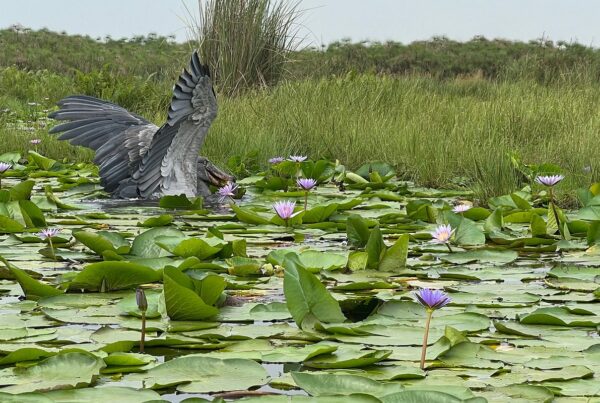
Meru National Park in Kenya holds over 400 bird species across its diverse habitat zones. The Tana River birding at Meru National Park, Kenya, produces the African finfoot, Pel’s fishing owl, and the African skimmer on productive mornings. These three specialist species are among Kenya’s most sought-after riverine birds. The doum palm forest at Meru National Park, Kenya, shelters palm-nut vulture nests in the palm crowns. This large, distinctive raptor inhabits Meru National Park, Kenya, year-round. Hartlaub’s turaco calls from the riverine forest and is one of the most beautiful birding encounters in Meru National Park, Kenya.
Meru National Park, Kenya, an open grassland, holds a productive community of grassland species. Somali ostrich strides through the open sections throughout the day. The secretary bird hunts in the short grass areas in its characteristic slow-walking pairs. The kori bustard is regularly seen on Meru National Park, Kenya, game drives in the open terrain. The northern carmine bee-eater breeds at Meru National Park, Kenya, in the sandy riverbank sections. This brilliant red bee-eater creates a spectacular colony sight during the breeding season months. The combined river and grassland Meru National Park, Kenya, birding list reaches 150 or more species on a productive three-day visit.
Meru National Park Kenya: Accommodation
Meru National Park, Kenya, accommodation ranges from the luxury Elsa’s Kopje tented camp to KWS public campsites. Elsa’s Kopje sits on Muga Kopje inside the park and has nine luxury cottages. This premium Meru National Park Kenya accommodation is named directly after Joy Adamson’s famous lioness. Mid-range Meru National Park, Kenya, accommodation is available at Bwatherongi Group Ranch camps on the park’s boundary. KWS Murera Bandas provides the most basic and affordable Meru National Park, Kenya, overnight option inside the park. All accommodation levels at Meru National Park, Kenya, provide access to the same park game drive circuit.
Meru National Park, Kenya, is accessed from Meru town on the tarmac road from Nairobi. The journey from Nairobi to Meru National Park, Kenya, takes four to five hours. Alternatively, charter flights land at the Kina airstrip inside Meru National Park, Kenya. Flying from Nairobi Wilson Airport to Meru National Park, Kenya, takes one hour. Combining a flight with a road return optimizes the Meru National Park, Kenya, visit for time-limited safari itineraries. The park roads inside Meru National Park, Kenya, are most passable during the dry season months of June, September, and January to March.
Plan Your Safari
Plan a three- to four-day visit to Meru National Park, Kenya, to cover the rhino sanctuary, Tana River birding, and Big Five game drives. Book Elsa’s Kopje or Murera bandas through your operator at least four weeks ahead. Combine a Meru National Park, Kenya, visit with a Samburu National Reserve visit on the same northern Kenya circuit.
African Wild Trekkers designs Meru National Park, Kenya, itineraries combining the rhino sanctuary, riverboat trips, and central Kenya wildlife. We book all accommodation, arrange rhino tracking permits, and design complete central Kenya safaris that include the finest Born Free landscapes.
Contact African Wild Trekkers to plan your Meru National Park Kenya safari. We respond within 24 hours and design Central Kenyan itineraries that include the Big Five, the Black Rhino Sanctuary, and the extraordinary doum palm riverscapes.