Rwanda Cultural Village: Traditional Life and Living Heritage Near Volcanoes National Park
Rwanda’s cultural villages offer the most accessible introduction to traditional Rwandan life available to visitors on the national park circuit. These community enterprises present traditional dance, music, storytelling, craft demonstration, and daily life activities in a structured format designed for visitor participation. They are the most practical way to engage with Rwandan cultural heritage within a typical two- to four-day Musanze itinerary.
Cultural villages exist on a spectrum from highly staged tourist productions to genuinely community-rooted enterprises. The most rewarding examples are those run directly by the communities they represent. These programs allow the community to define what they share and how they share it. The result is an experience with genuine cultural meaning rather than a performance disconnected from the living traditions it presents.
The Iby’Iwacu Cultural Village
The Iby’Iwacu Cultural Village near Kinigi is Rwanda’s most celebrated community cultural enterprise. It was established by former poachers who turned conservation supporters in the Volcanoes National Park buffer zone. The community-owned enterprise provides a structured half-day cultural experience for visitors arriving for gorilla trekking.
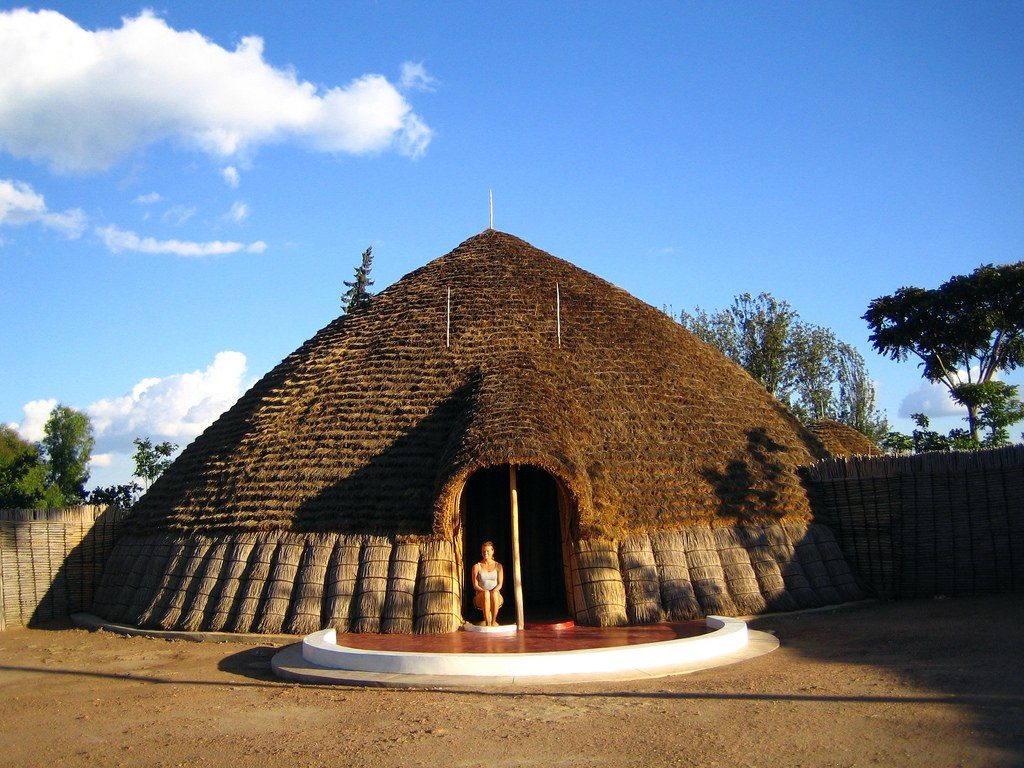
The Iby’Iwacu program includes traditional dance and music performances specific to the Northern Rwandan cultural tradition. A simulated royal court ceremony demonstrates the ceremonial culture of the pre-colonial Rwandan monarchy. Traditional medicine demonstration shows the plant-based healing knowledge of the community. The craft workshop section includes weaving, pottery, and spear-making demonstrations. Each section is performed by community members with genuine knowledge of the tradition they present.
The enterprise has created meaningful income for a community that previously relied partly on illegal forest resource use. The economic success of the cultural village has made conservation viable as a livelihood strategy for families who once poached in the park. This transformation is one of Rwanda’s most cited examples of community conservation benefit-sharing creating genuine behavioral change.
Traditional Dance and Music
Rwanda’s traditional dance traditions are visually striking and physically demanding. The Intore warrior dance is characterized by high kicks, jumping, and the theatrical wielding of traditional weapons. Male dancers perform in full traditional regalia with grass headdresses and bells around their ankles. Female dancers perform the amaraba, a more restrained but equally precise dance characterized by graceful arm movements.
The inanga string instrument is central to Rwanda’s traditional musical heritage. The inanga is a trough zither played horizontally across the performer’s lap. Its sound is gentle and resonant with a tonal range that suits the lyrical form of Rwandan traditional song. Cultural village performances typically include inanga accompaniment alongside traditional drum ensembles.
Gorilla imitation ceremonies, performed in some cultural village programs, draw on a tradition connected to the forest communities of the Virunga region. The gorilla dance reflects the long coexistence of human communities and mountain gorillas in this landscape. It is one of the more unusual traditional performance elements and one that visitors consistently find memorable.
Craft and Daily Life Activities
Craft demonstrations at cultural villages cover the main traditional arts of northern Rwanda. Basket weaving uses local papyrus and sisal to produce the coiled patterns of the agaseke peace basket tradition. Pottery uses local clay in a pinch-pot technique that predates the wheel. Wood carving produces household utensils and decorative items using hardwood.
The beer brewing demonstration shows the traditional method of producing urwagwa, a banana beer central to Rwandan ceremonial and social life. The process from ripe banana to fermented drink is a genuine craft with its own knowledge base and traditions. Tasting urwagwa at the end of the demonstration is part of the cultural experience at most village programs.
Plan Your Cultural Village Visit
A cultural village visit works best on an afternoon before or after a gorilla trek or volcano hike. The Iby’Iwacu program runs approximately two to three hours. It pairs naturally with a morning gorilla trek for a full and varied Musanze day. The cultural context it provides for the landscape and community around Volcanoes National Park enriches everything else in the northern circuit itinerary.
African Wild Trekkers includes the Iby’Iwacu Cultural Village and other community cultural experiences in Rwanda’s northern circuit itineraries. Contact us to plan a Rwanda safari that includes the cultural heritage experiences that complete your understanding of the communities who share the gorilla landscape.