info@africanwildtrekkers.com

Safari Experiences in July: The Best Wildlife and Adventure Experiences in Africa
July marks the heart of Africa’s peak safari season. Dry weather dominates many destinations, vegetation becomes thinner, and wildlife gathers around rivers, lakes, and permanent waterholes.
The month also brings some of Africa’s most spectacular wildlife events. The Great Migration reaches northern Tanzania and may begin crossing the Mara River, while Botswana’s Okavango Delta reaches an exciting stage of its annual flood cycle.
July also provides excellent conditions for gorilla trekking, chimpanzee trekking, Big Five safaris, walking safaris, and cultural adventures.
The Great Migration Reaches Northern Tanzania
July brings the Great Migration into one of its most dramatic stages. Large herds of wildebeest and zebras move through the northern Serengeti as they search for fresh grazing.
Many herds begin approaching the Mara River during this period. Some may cross into Kenya, while others remain in Tanzania for days or weeks.
The timing changes every year because rainfall and grass availability influence the movement. Travelers should therefore avoid expecting a river crossing on a specific date.
Even without a crossing, watching thousands of animals gather along the riverbanks creates an extraordinary wildlife spectacle.
The Mara River Crossing Experience
The Mara River crossing represents one of Africa’s most famous wildlife events. Wildebeest gather along the riverbanks before attempting to cross strong currents and deep water.
Crocodiles wait in the river while predators patrol nearby. The animals face enormous risks as they enter the water and scramble toward the opposite bank.
A crossing can happen suddenly after hours of waiting. Large groups may move together, creating a dramatic scene filled with dust, splashing water, and frantic movement.
However, nature does not follow a travel itinerary. Some days bring several crossings, while other days bring none. Travelers should focus on the broader migration experience rather than chasing one specific event.
Northern Serengeti Wildlife
Northern Tanzania offers excellent wildlife viewing throughout July. The region supports resident wildlife even when migration herds move between Tanzania and Kenya.
Lions, leopards, elephants, buffaloes, giraffes, and numerous antelope species live across the northern Serengeti.
The landscape combines open grasslands, rocky kopjes, wooded areas, and river valleys. These varied habitats support a wide range of wildlife.
Luxury camps and smaller properties in the region provide opportunities for quieter game drives and more personalized safari experiences.
Maasai Mara in July
Kenya’s Maasai Mara becomes one of Africa’s most exciting safari destinations in July. Migrating herds may begin entering the reserve from Tanzania during the month.
The Mara already supports large numbers of resident wildlife, so the arrival of the migration creates even greater concentrations of animals.
Predators take advantage of the abundant prey. Lions, cheetahs, leopards, and hyenas become particularly interesting to watch as the herds spread across the plains.
July also brings dry weather and excellent visibility, making the Mara ideal for traditional game drives and wildlife photography.
Big Five Safaris in July
July provides outstanding Big Five viewing across Africa.
Dry conditions make wildlife easier to locate because animals gather around permanent water sources. Sparse vegetation also improves visibility during game drives.
Tanzania offers exceptional opportunities in the Serengeti and Ngorongoro Crater. Kenya provides excellent viewing in the Maasai Mara and other conservancies.
South Africa’s Kruger National Park enters its dry winter period. Water becomes increasingly important, bringing elephants, buffaloes, antelopes, and predators closer to reliable waterholes.
Zimbabwe and Zambia also provide exceptional wildlife experiences during July.
Gorilla Trekking in Uganda
July provides some of the most popular conditions for gorilla trekking in Uganda. Bwindi Impenetrable National Park and Mgahinga Gorilla National Park experience relatively dry weather compared with the wetter months.
The trails generally become easier to navigate, although mountain rain can occur at any time.
Gorilla permits become highly sought after during this period. Travelers should book well in advance to secure their preferred trekking dates and sectors.
The trek takes visitors deep into the rainforest, where they can observe gorilla families feeding, grooming, resting, and interacting with young members.
Gorilla Trekking in Rwanda
Rwanda’s Volcanoes National Park also experiences excellent trekking conditions in July. The Virunga Mountains provide a spectacular backdrop for encounters with mountain gorillas.
The dry season generally makes forest trails more comfortable, although the volcanic environment can still bring rain and cool temperatures.
Gorilla trekking requires advance planning during July because demand increases significantly.
Travelers can also add golden monkey trekking, cultural experiences, and scenic tours around Rwanda to create a broader itinerary.
Chimpanzee Trekking in Kibale
July provides excellent chimpanzee trekking conditions in Uganda’s Kibale National Park.
The drier weather makes forest trails more comfortable, while chimpanzees remain active throughout the year.
Visitors may hear chimpanzees calling through the forest before guides locate the group. Once found, travelers can watch them feed, groom, climb, and interact.
Kibale also provides opportunities to see other primates, including red-tailed monkeys, blue monkeys, and black-and-white colobus monkeys.
Okavango Delta in July
July marks one of the most exciting periods in Botswana’s Okavango Delta. Seasonal floodwaters spread through the delta, creating a vast network of channels, lagoons, and islands.
The arrival of water attracts enormous numbers of wildlife. Elephants, hippos, crocodiles, buffaloes, antelope, and numerous bird species gather around the wetlands.
Water-based activities become particularly rewarding. Visitors can explore narrow channels by mokoro canoe and observe wildlife from a peaceful perspective.
Game drives also provide excellent opportunities to see predators and herbivores moving between islands and floodplains.
Chobe Elephant Safaris
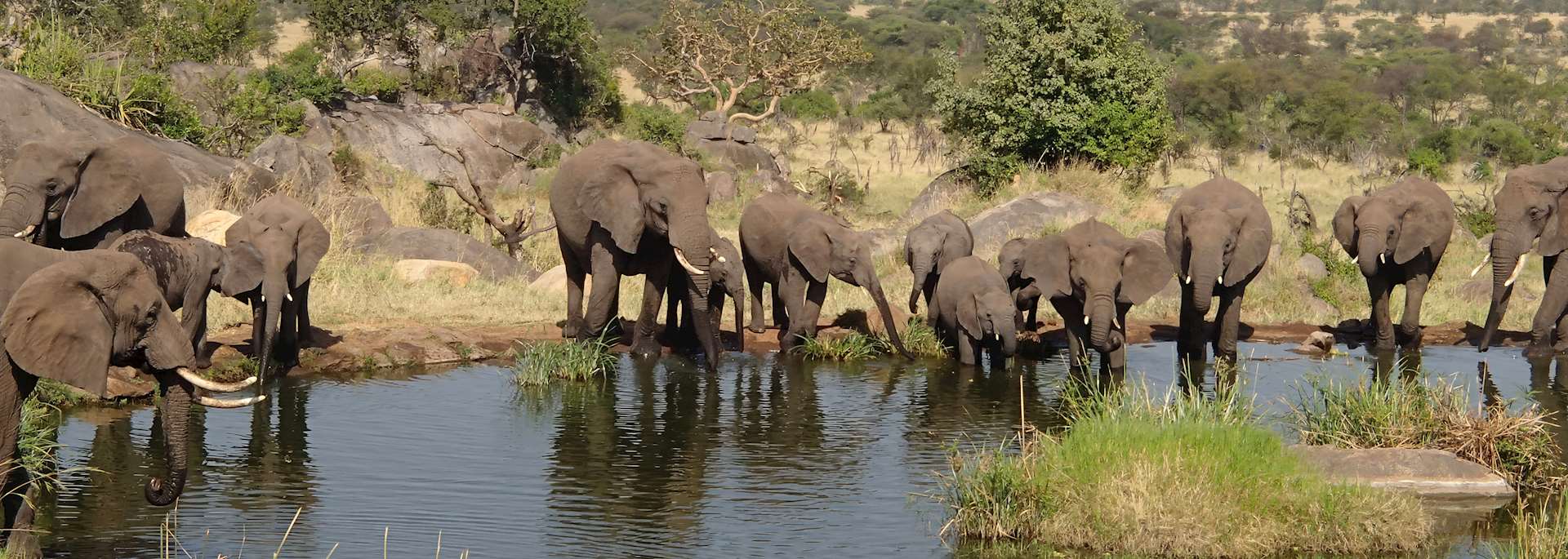
Botswana’s Chobe National Park provides outstanding elephant experiences in July. Large herds gather around the Chobe River as dry conditions intensify.
Boat safaris offer an excellent way to observe elephants drinking, bathing, and crossing the river. The elevated perspective from the water creates memorable photography opportunities.
Chobe also supports large populations of buffaloes, hippos, crocodiles, lions, leopards, and other wildlife.
Combining Chobe with the Okavango Delta creates a diverse Botswana safari focused on both land and water.
Walking Safaris in Southern Africa
July provides excellent conditions for walking safaris in countries such as Zambia, Zimbabwe, and Botswana.
Dry vegetation improves visibility while cooler temperatures make walking more comfortable, particularly during morning activities.
Walking allows travelers to focus on smaller details that game drives often miss. Guides can explain animal tracks, plants, insects, bird calls, and other signs of wildlife.
Zambia’s South Luangwa National Park has a particularly strong reputation for walking safaris.
Whale Watching in Southern Africa
July also marks the beginning of the southern whale-watching season. Southern right whales migrate toward coastal waters around South Africa to breed and raise their calves.
Hermanus and the Western Cape provide some of the best opportunities to see these impressive marine mammals.
Travelers can combine a Cape Town holiday with whale watching, wine experiences, scenic drives, and wildlife adventures.
This creates an excellent alternative for travelers who want to experience both land and marine wildlife during the same trip.
Birdwatching in July
July provides excellent birdwatching opportunities across Africa, particularly in wetlands and dry-season wildlife areas.
Botswana’s Okavango Delta attracts numerous waterbirds as floodwaters spread through the region.
Uganda’s forests and wetlands continue to support exceptional bird diversity. Bwindi and Kibale remain particularly attractive for specialist birders.
Southern Africa also offers excellent opportunities to see raptors, waterbirds, kingfishers, bee-eaters, and other species.
Cultural Experiences in July
July offers excellent conditions for combining wildlife with cultural experiences.
Travelers visiting Kenya and Tanzania can meet Maasai communities and learn about traditional lifestyles, crafts, music, and dance.
Uganda provides opportunities to visit local communities around national parks and forests. Travelers can learn about traditional food, crafts, farming, and conservation.
Rwanda also offers cultural experiences through traditional dance, community visits, craft workshops, and local cuisine.
Adding cultural experiences helps travelers understand the people who live alongside Africa’s protected landscapes.
Safari Photography in July
July offers some of the best wildlife photography conditions of the year.
Dry vegetation improves visibility and creates clean backgrounds around wildlife. Animals gathering near water sources also create excellent opportunities for photography.
The Great Migration provides spectacular subjects. Large herds, river crossings, predators, and dramatic landscapes can produce unforgettable images.
Early mornings often bring cool temperatures and soft light. Late afternoons provide warm tones and long shadows across the savannah.
Where to Go on Safari in July
Tanzania stands out for the Great Migration, northern Serengeti, Mara River crossings, and Ngorongoro Crater.
Kenya becomes particularly attractive as migrating herds begin entering the Maasai Mara.
Uganda offers excellent gorilla trekking, chimpanzee tracking, wildlife safaris, and birdwatching.
Rwanda provides outstanding gorilla and golden monkey trekking in the Virunga Mountains.
Botswana offers spectacular Okavango Delta and Chobe experiences during the peak flood season.
Zambia provides excellent walking safaris and wildlife viewing in South Luangwa and other national parks.
Zimbabwe offers strong wildlife viewing in Hwange and other destinations during the dry season.
South Africa provides excellent Big Five viewing and whale-watching opportunities.
Is July a Good Month for an African Safari?
July ranks among the best months for an African safari.
Dry weather, excellent visibility, abundant wildlife, and major seasonal events make the month highly attractive.
The Great Migration provides the biggest draw, especially around the northern Serengeti and Maasai Mara. Botswana offers spectacular wetland experiences, while Southern Africa provides outstanding dry-season wildlife viewing.
The main disadvantage involves higher prices and increased demand. Popular lodges, camps, gorilla permits, and safari vehicles can sell out months in advance.
Travelers should plan early if they want to visit Africa during July.
Plan Your Safari
July brings Africa’s wilderness into one of its most spectacular seasons. The Great Migration reaches the northern Serengeti and Maasai Mara, while the Okavango Delta fills with seasonal floodwaters.
Gorilla trekking, chimpanzee tracking, walking safaris, Big Five encounters, whale watching, and cultural experiences add even more possibilities.
For travelers seeking classic wildlife encounters and dramatic seasonal events, July offers one of Africa’s strongest safari experiences.