Uganda Endemic Birds: Targeting the Pearl of Africa’s Exclusive Species
Uganda endemic birds and Albertine Rift endemics make Uganda one of Africa’s top five birding destinations. The country’s position at the heart of the Albertine Rift Biodiversity Hotspot concentrates a remarkable number of range-restricted species within its borders. Uganda endemic birds include species found only in Uganda and a far larger group of Albertine Rift endemics shared with Rwanda, Burundi, eastern DRC, and western Tanzania. Targeting Uganda endemic birds requires visits to the highland forests of Bwindi, the Rwenzori Mountains, and the mid-altitude forests of Kibale and Semuliki. A specialist Uganda birding safari built around Uganda endemic birds typically records 20 to 35 Albertine Rift endemic species in a 10-day itinerary.
The Albertine Rift region holds 37 endemic bird species restricted to this single biodiversity hotspot. Uganda provides access to the majority of these species within one country. Many Uganda endemic birds require specific forest types at particular altitude bands. Understanding which species inhabit which forest zones helps birders plan efficient itineraries. A poorly planned birding visit misses critical altitude bands and returns without the key Uganda endemic birds that serious listers target. A well-structured itinerary covers Bwindi, Kibale, Semuliki, and the Rwenzori foothills in a sequence that maximises contact with each target species.
Key Uganda Endemic Birds by Site
Uganda Endemic Birds at Bwindi
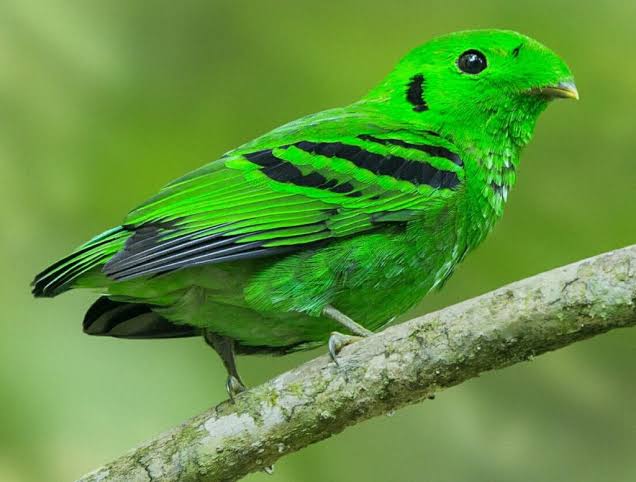
Bwindi Impenetrable Forest holds the highest concentration of Uganda endemic birds in the country. Grauer’s rush warbler inhabits the montane forest interior at Ruhija and Buhoma. Shelley’s crimsonwing is a small, brilliantly coloured forest finch sought at the forest interior trails. African green broadbill lives in the mid-altitude forest and is one of the most sought Uganda endemic birds in the country. Ruwenzori nightjar calls from the upper forest zone at dusk and requires a specific evening listen to confirm. Yellow-eyed black flycatcher is common but easily overlooked in the forest interior. Chapin’s flycatcher is among the rarest and most celebrated Uganda endemic birds at Bwindi.
The Bwindi trail system accesses different altitude bands with different Uganda endemic birds at each level. The Buhoma trails at lower altitude suit yellow-eyed black flycatcher and African green broadbill. The Ruhija sector at higher altitude targets Grauer’s rush warbler and Ruwenzori apalis. Bamboo forest at Ruhija holds mountain masked apalis, a bamboo specialist difficult to find elsewhere. An experienced Bwindi birding guide maximises contact with Uganda endemic birds across the trail network. Two full birding days at Bwindi produce the most comprehensive Uganda endemic birds Bwindi list available to any visiting birder.
Uganda Endemic Birds at Semuliki
Semuliki National Park provides access to Uganda endemic birds from the Congo Basin lowland forest zone. Several of Semuliki’s specialities occur in Uganda only at this one lowland forest site. Red-billed dwarf hornbill inhabits the Semuliki lowland forest and is immediately conspicuous by call. Nkulengu rail is Semuliki’s most secretive Uganda endemic bird and requires specialised guide knowledge to locate. The Cassin’s honeybird and Hartlaub’s duck both occur at Semuliki as Uganda endemic birds unavailable elsewhere in the country. White-crested hornbill moves through the forest canopy in pairs and small groups throughout the morning.
The Semuliki Uganda endemic birds list also includes forest kingfisher species not found elsewhere in Uganda. Chocolate-backed kingfisher inhabits the forest interior throughout the year. Dwarf kingfisher is another small forest specialist with a restricted Uganda range confined to this lowland site. Forest birding at Semuliki rewards slow walking with patient stops at every understorey movement. Many Semuliki Uganda endemic birds are heard long before they become visible. A guide who can identify each bird by call before visual confirmation is essential for a productive Semuliki birding visit.
Finding Uganda Endemic Birds
Guide Knowledge for Uganda Endemic Birds
Specialist Uganda endemic birds guides make the difference between a productive and a disappointing birding safari. The best guides know the current territory of rare species within each trail system. They update this knowledge through daily forest walks year-round. A guide who has walked the Bwindi trail 500 times knows exactly where the African green broadbill territory lies today. This knowledge cannot be replicated from a field guide or a previous trip report. Selecting the right guide is the single most important decision in any Uganda endemic birds specialist safari.
Uganda birding guide networks operate through organisations including the Uganda Birding Community. Several individual guides have international reputations for Uganda endemic birds expertise. Booking a guide with a published sighting record for specific target species confirms their genuine competence. A guide’s species count at a specific site over a specific time period is the most reliable indicator of performance. Ask for this information before booking any Uganda endemic birds specialist guide. The investment in the right guide consistently produces better results than any itinerary planning alone.
Best Time for Uganda Endemic Birds
Uganda endemic birds are present throughout the year at all major sites. The drier months of June to September and December to February produce the best forest birding conditions. Dry forest allows clearer visual access through understory vegetation. Bird activity concentrates at fruiting trees during dry periods in ways that scatter during the rains. The wet season months of April to May and October to November bring migrants and high breeding activity. Many Uganda endemic birds display and call most frequently during the breeding season coinciding with the rains. Serious listers plan multiple Uganda endemic birds visits across different seasons to build the most complete site lists.
Morning birding from 06:00 to 10:00 produces the highest Uganda endemic birds activity at all sites. Forest birds are most vocal and most actively feeding in the early morning period. Activity drops dramatically between 11:00 and 15:00 during the hottest midday period. Evening birding from 16:00 to 18:00 targets nightjars and rails. A full Uganda endemic birds birding day covers early morning forest, midday review and rest, and evening crepuscular specialities. This structure maximises Uganda endemic birds contact time across the full diurnal activity cycle.
Plan Your Safari
Design a Uganda endemic birds itinerary covering Bwindi, Semuliki, Kibale, and the Rwenzori foothills in a 10 to 14 day western Uganda birding circuit. Book specialist bird guides at each site in advance through the Uganda Birding Community network. Request early morning start times and full birding day programmes rather than half-day activity supplements.
African Wild Trekkers designs Uganda endemic birds specialist safari itineraries. We book Uganda’s best bird guides at each site, arrange specialist birding vehicles, and create itineraries that cover all key Uganda endemic birds habitat zones in the most efficient sequence.
Contact African Wild Trekkers to plan your Uganda endemic birds safari. We respond within 24 hours and design Uganda birding itineraries that target the full Albertine Rift endemic checklist across the country’s finest forest and wetland sites.