Uganda Gorilla Conservation Efforts: A Global Success Story
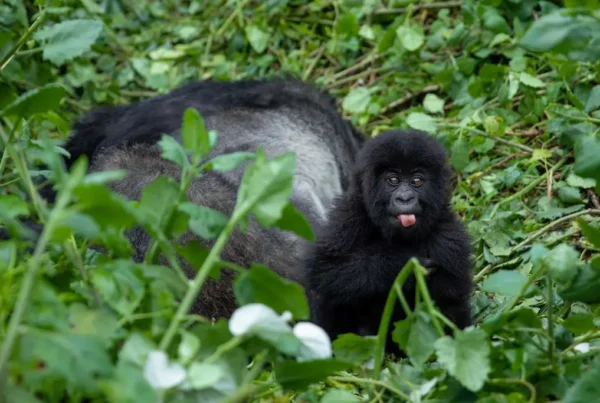
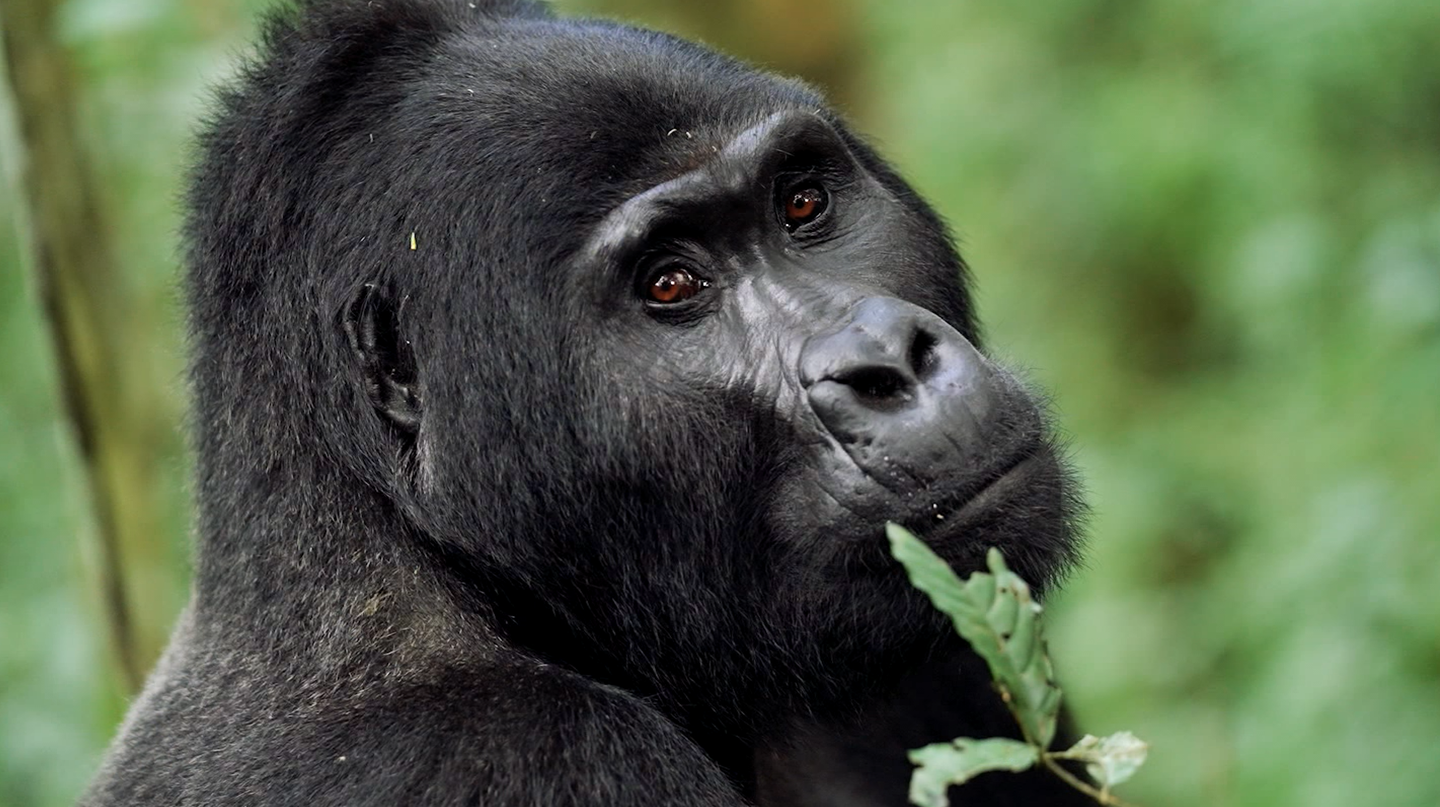
Uganda gorilla conservation efforts have produced one of wildlife conservation’s most remarkable turnarounds. Mountain gorilla numbers fell to an estimated 254 in 1981. Today the population exceeds 1,000 — the only great ape species whose numbers are increasing. Uganda sits at the centre of this recovery.
What Has Driven the Population Recovery
Anti-Poaching Operations and Ranger Training
Uganda Wildlife Authority deploys trained ranger teams throughout Bwindi Impenetrable Forest and Mgahinga Gorilla National Park. Snare removal patrols operate daily across gorilla habitat. International Gorilla Conservation Programme and WWF provide equipment, training and technical support. Poaching incidents in Bwindi have dropped dramatically over the past three decades.
Veterinary Intervention Programs
The Gorilla Doctors programme provides veterinary care to mountain gorillas across Uganda and Rwanda. Teams treat snare injuries, respiratory infections and other life-threatening conditions in habituated families. Interventions have saved gorillas that would previously have died from treatable injuries. This programme depends entirely on tourism revenue for its funding.
Community Engagement and Buffer Zones
Revenue Sharing With Local Communities
Twenty percent of gorilla permit income flows directly to communities surrounding Bwindi. This revenue builds schools, health centres and roads in park-adjacent villages. Economic alternatives to forest resource extraction reduce the pressure on gorilla habitat from illegal logging, charcoal burning and agricultural encroachment.
Community Conservation Education
Uganda Wildlife Authority runs conservation education programs in schools surrounding all gorilla parks. Young people who grow up understanding gorilla ecology and the economic value of wildlife become the next generation of conservation advocates. This long-term investment in community attitudes shapes the political and social environment for gorilla protection.
Habitat Protection and Transboundary Conservation
The Bwindi-Sarambwe Ecosystem
Mountain gorillas range freely across the Uganda-DRC border in the Bwindi-Sarambwe ecosystem. Cross-border ranger coordination between UWA and the Institut Congolais pour la Conservation de la Nature protects gorillas that move between the two countries. Transboundary cooperation is essential given the small geographic range of mountain gorillas.
The Virunga Massif Partnership
The Virunga Massif — spanning Uganda, Rwanda and DRC — hosts most of the world’s remaining mountain gorillas. Three-country conservation coordination through the International Gorilla Conservation Programme ensures consistent protection standards across the entire habitat. Uganda’s successful model has influenced conservation approaches in both Rwanda and DRC.
The Role of Tourism in Conservation
Tourism as the Primary Conservation Finance Mechanism
Gorilla tourism generates over $30 million annually for Uganda’s national park system. This revenue funds ranger salaries, patrol equipment, park infrastructure and community programs simultaneously. No equivalent alternative funding source exists at this scale. Sustainable gorilla tourism is not just compatible with conservation — it is the primary engine driving it.
How Your Visit Contributes
Booking a gorilla trekking safari directly funds anti-poaching operations, ranger employment, veterinary programs and community support schemes. Your permit payment reaches conservation on the ground within the same budget year it is received. Visitors who understand this connection consistently report a deeper meaning to their gorilla encounter.
Plan Your Gorilla Safari
Securing Your Gorilla Permit
How Far in Advance to Book
Gorilla permits for June to September sell out three to six months ahead. Contact African Wild Trekkers with your preferred dates as early as possible. We check permit availability immediately and secure your spot with your deposit payment.
Official Permit Cost and Process
Uganda Wildlife Authority charges $800 per person per gorilla trekking permit. We submit permit applications on your behalf directly through UWA. Your permit is confirmed in writing before any itinerary finalisation.
What Your Safari Package Covers
Accommodation and Full-Board Meals
All lodge accommodation is confirmed at your chosen budget tier before you depart. Full-board meals are included at every lodge in your itinerary. Entebbe overnight accommodation on arrival and departure nights is included.
Private Vehicle and All Park Fees
A private 4×4 safari vehicle with experienced driver-guide covers your complete itinerary. All park entry fees, ranger guide fees and activity permits are included. Porter hire at the Bwindi trailhead is arranged on your behalf at $15 to $20 per trek day.
Why Book With African Wild Trekkers
Uganda-Based Local Specialists
Our team lives and works in Uganda. We trek these forests ourselves, maintain direct relationships with every gorilla ranger team and know exactly which family positions deliver the best encounter experiences. No desk-based operator offers this level of on-the-ground knowledge.
Request Your Custom Quote
Visit africanwildtrekkers.com/contact with your travel dates and group size. We respond within 24 hours and deliver a fully itemised itinerary within three working days.