Is Rwanda Safe for Tourists in 2026? An Honest Assessment
Is Rwanda safe for tourists in 2026? The straightforward answer is yes — Rwanda is one of the safest countries for international visitors in sub-Saharan Africa. The country consistently ranks at or near the top of African safety indexes, violent crime against tourists is genuinely rare and the combination of a visible police presence, clean well-lit streets and a population that is broadly welcoming to foreign visitors makes day-to-day travel in Rwanda feel significantly safer than in most comparable regional destinations. Understanding the specific risks that do exist — and where they apply — gives you an accurate rather than over-optimistic picture before you travel.
Everyday Safety in Kigali and the Parks
Crime in Kigali
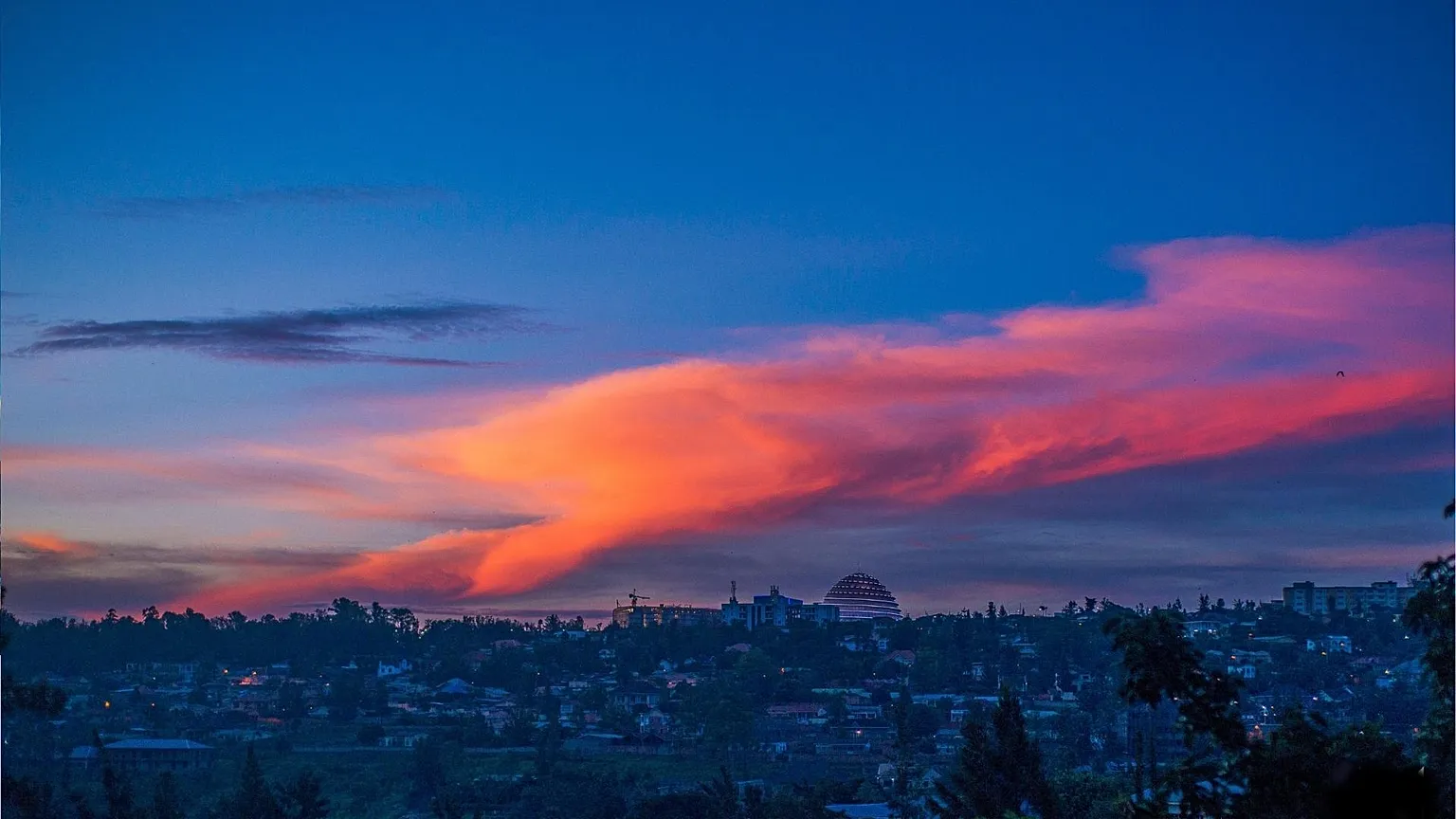
Kigali is a safe city by African standards. Violent crime against tourists is extremely rare. Petty theft — bag snatching and pickpocketing — exists in busy market areas like Kimironko and in some crowded public transport settings, but at rates significantly lower than most other East African capitals. Rwanda’s zero-tolerance approach to crime and the highly visible police presence across Kigali create genuine deterrence. Walk with your phone in your pocket rather than in your hand in market areas, use hotel safes for passports and excess cash and avoid displaying expensive jewellery in public. These standard precautions are all the protection most Rwanda visitors need in the city.
Safety in National Parks
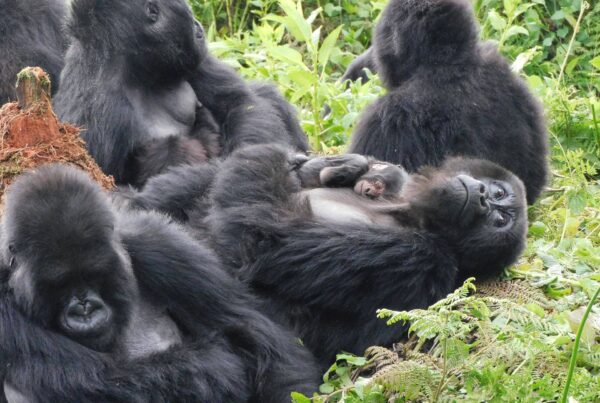
Rwanda’s national parks are very safe for visitors. Armed rangers accompany every gorilla trekking group. Park security in Volcanoes, Nyungwe and Akagera is professional and well-maintained. Wildlife encounters follow strict protocols managed by experienced ranger teams. No tourist has experienced wildlife-related injury in Rwanda’s habituated gorilla trekking programme. Volcanoes National Park sits near the DRC border — the Virunga region of DRC has security challenges, but these do not cross into Rwanda’s territory and do not affect visitor safety in the park.
Health Risks in Rwanda
Malaria
Malaria exists in Rwanda at altitudes below 2,500 metres. Kigali sits at 1,567 metres and carries moderate malaria risk. Volcanoes National Park at over 2,000 metres has lower risk. Nyungwe and Akagera below 1,500 metres carry higher risk. Take prescribed antimalarial medication starting before departure and continuing for the recommended period after return. Use DEET repellent of at least 50% concentration from dusk, sleep under mosquito nets in budget accommodation and wear long sleeves after dark. Most mid-range and luxury lodges have mosquito-proof rooms, but personal protection measures remain important.
Vaccinations and Entry Health Requirements
A yellow fever vaccination certificate is required for entry into Rwanda if you travel from or transit through a yellow fever-endemic country. Rwanda itself has low yellow fever transmission but the entry requirement protects the country from importation. Recommended vaccinations include Hepatitis A, Typhoid, Tetanus and Rabies for visitors planning time in rural areas or gorilla parks. Visit a travel health clinic at least six weeks before departure to receive personal medical advice and any vaccinations with delayed immune response timelines. Carry your yellow fever certificate in your passport — not a photocopy, the original stamped card.
Political and Border Safety
Rwanda’s Political Stability
Rwanda is politically stable with no significant internal security threats affecting tourist areas. The government maintains strong law enforcement and Rwanda’s post-genocide social contract prioritises security and stability explicitly. Presidential election periods occasionally bring increased security presence in Kigali but do not create safety risks for visitors. Check your home country’s foreign office travel advice for Rwanda before departure — both the UK Foreign Commonwealth and Development Office and the US State Department currently rate Rwanda as a safe travel destination with standard precautions.
The DRC Border Area
Rwanda shares borders with the Democratic Republic of Congo and Burundi, both of which have security challenges in some regions. These challenges do not extend across Rwanda’s borders into tourist areas. The Katuna-Cyanika border crossing between Uganda and Rwanda and the Rubavu-Goma crossing to DRC are both functional and safe for legitimate tourist movement. African Wild Trekkers manages all border crossings for clients on combined Uganda-Rwanda itineraries and briefs every client on border procedures and current crossing conditions before their border day.
Plan Your Safari
How to Start Planning Your Rwanda Trip
Contact African Wild Trekkers at africanwildtrekkers.com/contact with your travel dates and group size. We check gorilla permit availability first and build your complete Rwanda itinerary — including all safety briefings, health preparation guidance and border logistics — around your confirmed permit date.
What Your Package Covers
All gorilla permits, park fees, private vehicle with driver-guide, lodge accommodation, full-board meals, airport transfers and 24/7 in-country support are included. We provide comprehensive pre-departure briefings covering health, safety, border crossings and local conditions so you arrive in Rwanda fully prepared.
Request Your Rwanda Itinerary
We respond to all enquiries within 24 hours every day of the week and deliver your personalised Rwanda itinerary with full pricing within three working days. Visit africanwildtrekkers.com/contact to get started.