Murambi Genocide Site: Bearing Witness at Rwanda’s Most Profound Memorial
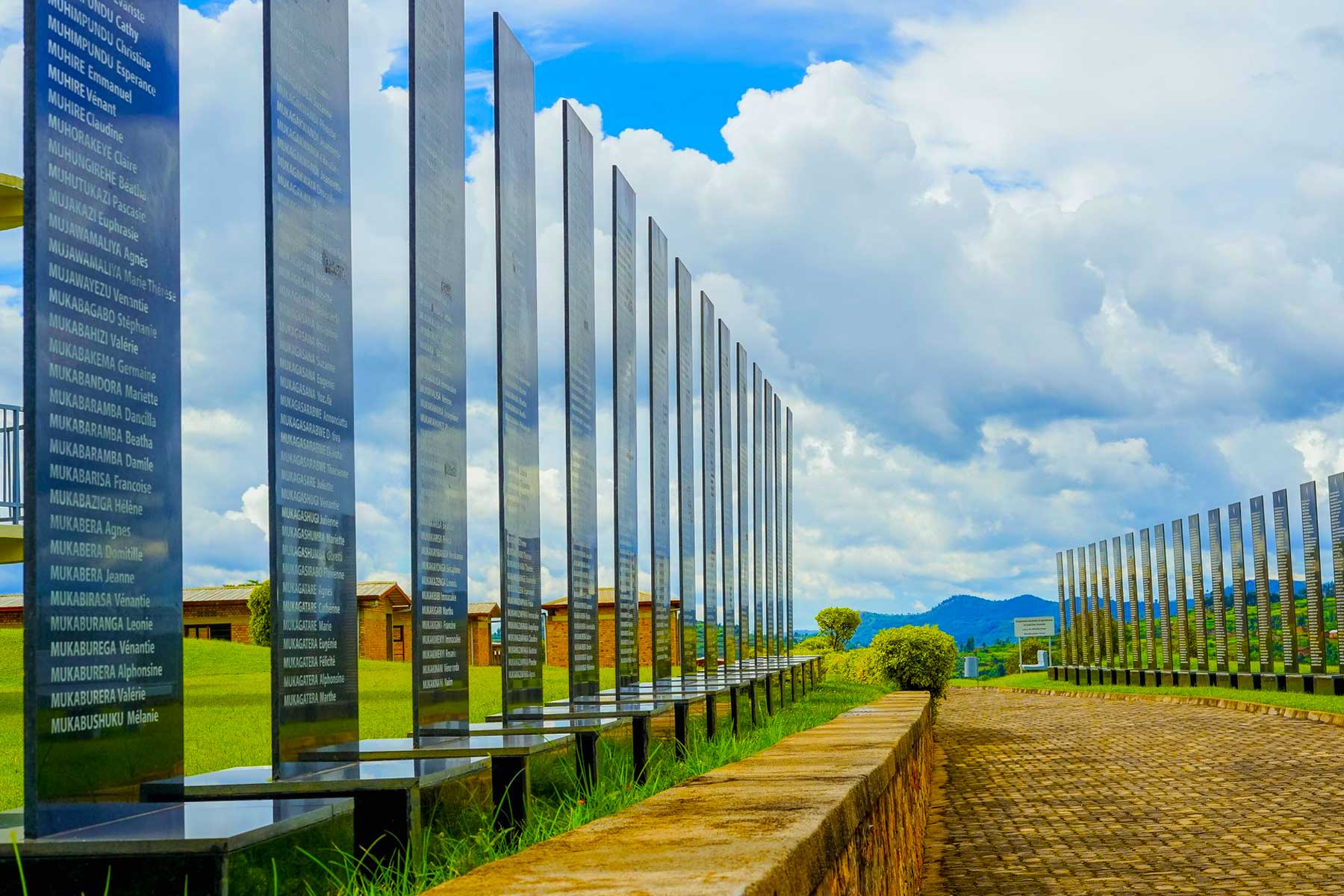
The Murambi Genocide Memorial stands on the grounds of a former technical school in Nyamagabe District, southern Rwanda. During the 1994 Genocide Against the Tutsi, attackers killed an estimated 45,000 to 50,000 Tutsi civilians at this site over a single night and the days that followed. Today, the memorial preserves this history through lime-preserved human remains displayed in former classrooms. Consequently, Murambi stands as one of the world’s most powerful places of remembrance and historical witness.
Visiting Murambi requires thoughtful preparation. Rather than serving as a traditional museum, the memorial invites visitors to remember, learn, and reflect. It also encourages every visitor to confront the reality of the genocide with honesty and respect. As a result, many people leave with a deeper understanding of Rwanda’s history and the importance of preserving its memory.
What Happened at Murambi
When the genocide began in April 1994, local authorities instructed Tutsi civilians to gather at Murambi Technical School. Officials claimed that the school would provide protection. Therefore, tens of thousands of people arrived from nearby communities, believing they would find safety there.
At the time, French forces occupied the area as part of Operation Turquoise. However, they left the school shortly before the attack. Soon afterward, Interahamwe militia and other perpetrators attacked the people gathered at the site. They carried out the killings mainly with machetes and clubs over several hours.
The events at Murambi reveal the careful planning behind the genocide. The perpetrators deliberately gathered large numbers of people in one location before launching the attack. Therefore, the killings did not result from spontaneous violence. Instead, they formed part of a coordinated campaign of mass murder directed by leaders who planned the genocide at the national level.
The Memorial Today
Today, the memorial preserves several classrooms that contain lime-preserved human remains displayed on raised platforms. Survivor communities supported the decision to preserve these remains as lasting evidence of the genocide. Consequently, the memorial presents powerful proof that challenges denial and distortion.
In addition, the museum explains the history of the genocide, the events at Murambi, and the wider national context of 1994. Visitors can explore photographs, historical records, and survivor testimonies that provide important background information. Together, these materials help both first-time visitors and those who have already studied Rwanda’s history.
Knowledgeable memorial guides accompany every visitor through the site. Many of these guides survived the genocide themselves. Therefore, they share personal experiences alongside the historical record. Their testimony creates a powerful connection between historical facts and individual human lives. As a result, visitors gain a deeper and more personal understanding of the tragedy.
How to Visit Respectfully
Visitors should approach Murambi with dignity, respect, and compassion. Throughout the visit, everyone should remain quiet and attentive. In addition, visitors must follow the memorial’s photography rules, as photography is not allowed inside the classrooms that contain human remains.
The guides lead each visit and provide important historical context. Therefore, visitors should follow their instructions and allow the experience to unfold at an appropriate pace. Plan to spend at least two hours at the memorial. Afterwards, many visitors choose to sit quietly in the memorial grounds before continuing their journey. Taking time to reflect forms an important part of the experience.
Murambi lies in southern Rwanda between Huye and Nyungwe National Park. Consequently, travelers often include the memorial in a southern Rwanda itinerary. Many visitors also combine Murambi with the Kigali Genocide Memorial and the Ntarama Genocide Memorial. Together, these sites provide a broader understanding of how the genocide affected communities across the country.
Planning Your Visit to Murambi
A visit to Murambi offers one of the most meaningful historical experiences in Rwanda. The memorial asks visitors to give their time, attention, and respect while learning about one of the darkest chapters in the country’s history.
Although the experience can be emotionally difficult, it also helps visitors understand Rwanda’s remarkable journey toward healing and rebuilding. By remembering those who lost their lives, visitors honor their memory and gain a deeper appreciation of the resilience that continues to shape Rwanda today.
African Wild Trekkers designs Rwanda itineraries that include the memorial sites of the southern circuit alongside Nyungwe Forest and Lake Kivu experiences. Contact us to plan a Rwanda safari that approaches the country’s history with the respect and seriousness it deserves.