Sunrise Game Drive Africa: Why the First Light Drive Delivers East Africa’s Best Wildlife
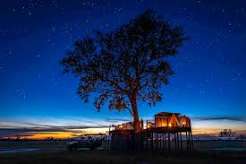
The 05:30 game drive departure seems brutal when the alarm rings in a warm safari bed. It stops seeming brutal approximately twelve minutes later, when the vehicle leaves the lodge boundary in complete darkness. The African bush closes around it immediately. Hyenas are still calling. Nightjars are finishing their chorus. A distant lion roars from a kill site. By 06:15, when the horizon turns from black to deep violet-blue and the first light touches the tops of the acacia trees, the day’s most productive wildlife period is already well underway. Everything that happened overnight is still readable in the dawn.
Predator Activity at Dawn
Lions, leopards, and cheetahs are most active in the cooler hours. Dawn finds them returning from hunts, finishing kills, or completing territorial circuits. A pride of lions on a buffalo kill at dawn provides the most complete predator observation of any time period. The full pride is present, vultures are gathering at the periphery, hyenas are circling, and jackals are darting at the margins. Furthermore, the light quality at dawn — low, warm, and strongly directional — separates animals from background and illuminates the texture of fur and vegetation in a way that overhead light never achieves. Photographers regard the first and last hours of light as the only periods worth shooting seriously.
Leopards are most visible at dawn. These nocturnal predators drag kills into trees before full daylight. The activity of hoisting a kill occupies the pre-dawn to post-sunrise period. A leopard in an acacia with a fresh kill, beginning to feed as the light strengthens, represents one of East Africa’s most prized wildlife encounters. Additionally, cheetahs become active at first light and make their most frequent kills in the morning — the combination of cool air and good visibility produces higher hunt success than afternoon attempts in the heat.
Fresh Sign and Animal Behaviour
Dawn reveals everything the night produced. Fresh tracks across roads and dry riverbeds show every species that moved after dark. A concentration of vultures descending from roost trees in a single direction indicates a kill within two kilometres. Dung beetles working fresh elephant dung mark the route the herd took during the night. Moreover, impala herds graze in tightly packed defensive groups at dawn, reflecting the predator pressure from the previous night. They relax into more spread-out grazing as the morning progresses and the threat assessment period closes.
Bird Activity and the Dawn Chorus
The dawn chorus reaches peak intensity exactly at the early game drive departure time. Woodland and bush habitats produce a continuous overlay of territorial calls from 30 to 50 species simultaneously. Ground hornbills boom from the distance. Lilac-breasted rollers call from prominent perches with the first warming light. Hippos return from overnight grazing to the water, grunting and splashing. A dawn game drive through mixed habitat produces bird species lists that rival dedicated birding sessions at any other time of day.
Plan Your Safari
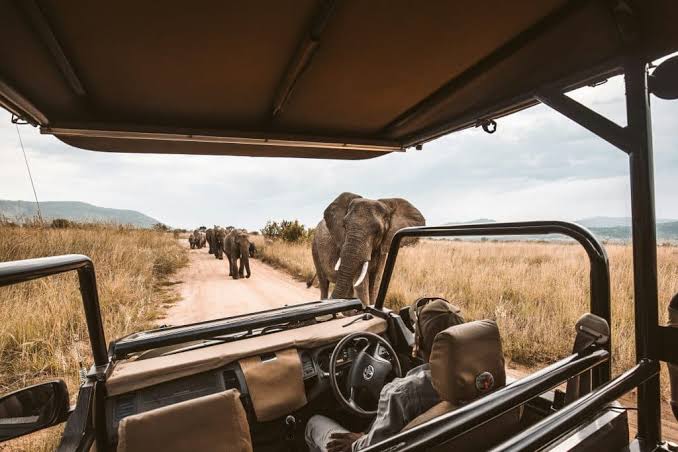
Dawn game drives operate from all East Africa safari camps as the standard morning activity. The 05:30 or 06:00 departure produces consistently better wildlife than any other period. Bush breakfasts in the field stopping at a scenic location as the sun rises fully are standard in Kenya and Tanzania’s better camps. The combination of peak wildlife activity and a memorable bush breakfast makes the early departure one of the most rewarding commitments of any East Africa safari.
African Wild Trekkers designs East Africa safari itineraries staying at camps with flexible, wildlife-first drive scheduling. Contact us to plan a safari timed around the dawn activity that delivers East Africa’s most memorable wildlife encounters.