Ntarama Memorial Rwanda: The Church That Became a Site of Mass Murder
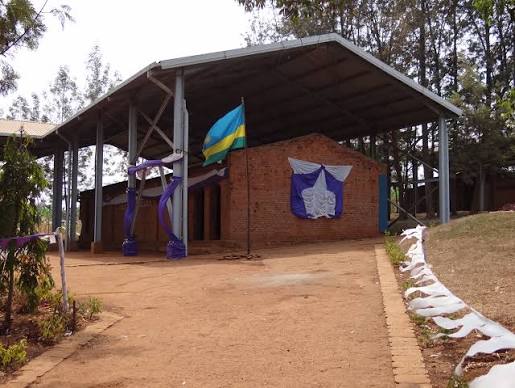
The Ntarama Memorial stands at the site of a brick church in the Bugesera district of eastern Rwanda. Approximately 5,000 Tutsi civilians were killed there in April 1994. The church and the adjacent buildings have been preserved as they were found after the genocide. Victims’ clothing, personal effects, and bones remain in the positions they occupied when the killing ended. Ntarama is one of Rwanda’s earliest established genocide memorials and one of the most visited by Rwandans paying respects to the dead.
The church at Ntarama was, like many churches across Rwanda in April 1994, a place where civilians sought sanctuary. The attackers did not respect this sanctuary. They came equipped with guns, grenades, and traditional weapons. The concentration of people within the church walls made the killing faster and more complete. This pattern of seeking safety in churches and being killed there was repeated at dozens of sites across Rwanda during the hundred days of the genocide.
The Bugesera Context
Bugesera district experienced some of the earliest and most intense killing of the 1994 genocide. The area had a history of ethnic violence in the pre-genocide period. Attacks on Tutsi communities in 1990 and 1992 served as rehearsals for the more systematic killing that followed. Survivors of those earlier attacks were among those who sought refuge at Ntarama church when the genocide began.
The Bugesera wetlands and dry savanna landscape provided hiding places for some survivors who fled the initial attacks. The Ntarama memorial must be understood in this wider Bugesera landscape of survival and death. The nearby Nyamata church memorial lies approximately 12 kilometres away.
The human geography of Bugesera district has changed significantly since 1994. Tutsi refugees who had lived in exile in Uganda, Burundi, and Congo returned after the genocide ended. The district today includes both survivors and returned diaspora communities. This social landscape carries the full complexity of Rwanda’s post-genocide reconstruction.
What the Memorial Preserves
The Ntarama church building stands intact with the interior preserved as it was found. The bones of victims, their clothing, and their personal belongings remain inside the church. The preserved interior creates the most direct possible encounter with the evidence of what occurred.
The adjacent buildings on the church compound serve the memorial function. Display materials provide historical context about the genocide in Bugesera district. Photographs, testimonies, and documentary evidence build a comprehensive record of what happened here. The materials inform both first-time visitors and those who have read extensively about the genocide before arriving.
The grounds surrounding the church include commemorative structures and gardens. These provide space for quiet reflection after the guided tour of the building interior. The quiet of the memorial grounds contrasts with the intensity of the interior visit. That contrast is an important part of the emotional rhythm of the visit.
Visiting Ntarama
Ntarama is located approximately 30 kilometres south of Kigali. The drive takes approximately 45 minutes by road from the capital. Its proximity to Kigali makes it feasible on an arrival or departure day without extra travel days. Many visitors include the Ntarama and Nyamata memorial circuit on the first or last day of their Rwanda safari.
Memorial guides lead all visits and their testimony adds personal dimensions to the historical record. Allow at least 1.5 to 2 hours for a complete Ntarama visit. Include time in the grounds for reflection after the interior tour. Silent, respectful engagement is expected throughout. Photography guidelines provided by the guide should be followed without exception.
The combined Ntarama and Nyamata memorial circuit from Kigali takes approximately half a day. It provides the most important historical grounding for a Rwanda visit that any single half-day activity can deliver. The understanding gained at these two sites transforms everything else a visitor sees and hears in Rwanda into a more meaningful experience.
Planning a Visit to Ntarama
A visit to Ntarama is one of the most important acts of witness a visitor to Rwanda can make. The memorial asks for respectful attention, adequate time, and the willingness to receive difficult knowledge without looking away. Visitors who make this commitment honour those who died there. They leave Rwanda with an understanding of the country’s history that is essential for any genuine engagement with the Rwanda of today.
African Wild Trekkers includes the Bugesera memorial circuit in Rwanda itineraries for visitors who want to engage honestly with the country’s history. Contact us to plan a Rwanda safari that begins with the memorial visit that provides the essential context for everything that follows.