Rwanda Economic Miracle: How a Nation Rebuilt Itself Into Africa’s Development Model
Rwanda’s economic transformation since 1994 is one of the most remarkable stories in modern development history. A country physically destroyed and institutionally devastated by the genocide has rebuilt itself into one of Africa’s fastest-growing economies. It has created one of the continent’s cleanest and best-governed cities. It has become a globally recognised model for post-conflict reconstruction and sustainable development.
GDP per capita has grown at an average of more than 7 percent per year over the past two decades. Life expectancy has more than doubled since the mid-1990s. Maternal mortality has fallen by more than 80 percent. Access to electricity, clean water, healthcare, and education has expanded dramatically. These figures carry deeper meaning when you meet the children born after the genocide who have grown up in this transformed state.
Vision 2020 and the Development Strategy
Rwanda’s development trajectory was shaped by a national plan called Vision 2020, launched in 2000. The vision set ambitious targets for transforming Rwanda into a knowledge-based middle-income country by 2020. It identified six pillars: good governance, skilled human capital, a vibrant private sector, world-class infrastructure, modern agriculture, and regional integration.
Progress against Vision 2020 targets was strong. Rwanda exceeded many key benchmarks before the 2020 deadline. A successor plan, Vision 2050, sets targets for upper-middle-income status by 2035 and high-income status by 2050. The progression from the devastation of 1994 to planning for high-income status within 30 years is itself a measure of how completely the country’s trajectory has changed.
The governance model that has driven this development is sometimes described as a developmental state with authoritarian characteristics. The government sets ambitious targets and holds institutions accountable for results. Critics note limitations on political opposition and press freedom. Supporters point to concrete outcomes in health, education, infrastructure, and poverty reduction. Any honest engagement with Rwanda’s development story must acknowledge both dimensions.
Kigali: Africa’s Cleanest City
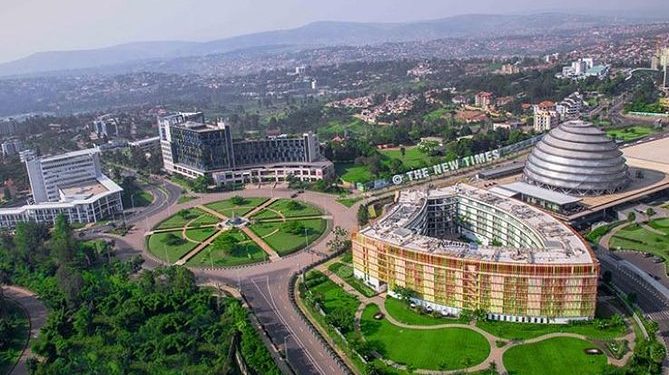
Kigali is consistently ranked among Africa’s cleanest, safest, and best-managed cities. The transformation from the devastated city of 1994 into a modern, well-functioning urban centre is one of the most visible expressions of Rwanda’s overall achievement. Visitors arriving from other African capitals are consistently struck by the functional quality of Kigali’s basic urban services.
Umuganda, the monthly community work day, contributes directly to Kigali’s clean appearance. The 2008 plastic bag ban has eliminated plastic bag litter from the urban landscape entirely. The ban on open waste burning has improved air quality. These individual policies, implemented consistently over years, have produced the cumulative quality that defines Kigali’s reputation.
Real estate development in Kigali’s Kacyiru and Nyarutarama districts has produced a skyline of modern office buildings, hotels, and commercial developments. This reflects the private investment confidence that good governance and political stability generate. The Kigali Convention Centre, opened in 2016, hosts international conferences that bring delegates from across Africa and beyond to engage with Rwanda as a regional business hub.
Tourism as a Development Driver
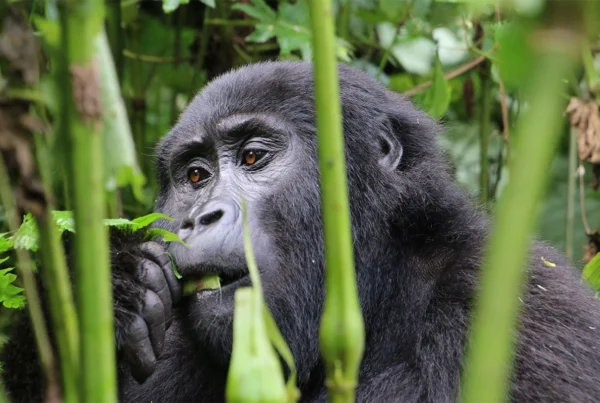
Tourism has been central to Rwanda’s economic development strategy since the mid-2000s. The decision to position gorilla trekking as a premium, low-volume, high-value product was a strategic choice. It has produced per-visitor revenue significantly higher than most African safari destinations. The gorilla permit is priced at 1,500 US dollars per person for a one-hour trek.
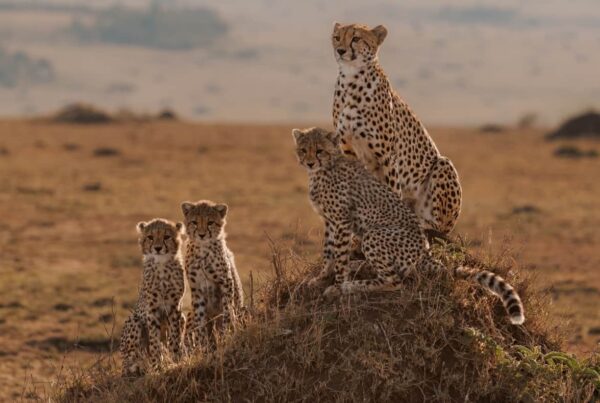
The tourism sector has expanded beyond gorilla trekking to include Akagera National Park, Nyungwe Forest, Lake Kivu, cultural tourism, and the growing MICE sector in Kigali. This diversification reduces dependence on the gorilla permit as the sole revenue driver. It creates a more resilient tourism economy capable of sustaining conservation investments that protect Rwanda’s key wildlife assets.
Visit Rwanda has become one of Africa’s most sophisticated destination marketing organisations. Partnerships with global sports properties and international events have raised Rwanda’s profile in markets where the country was previously unknown as a travel destination. These marketing investments are beginning to translate into visitor numbers and revenue that match Rwanda’s quality tourism product.
Rwanda as a Travel Destination Today
Visiting Rwanda provides direct experience of the economic miracle that statistics describe. A functioning, well-managed capital, accessible and well-run national parks, extraordinary gorilla and wildlife experiences, and a confident, welcoming population together create a travel experience that consistently exceeds expectations. Rwanda delivers on its reputation.
African Wild Trekkers designs Rwanda safari itineraries that connect the country’s extraordinary wildlife with an understanding of the development story behind it. Contact us to plan a Rwanda safari that goes beyond the surface and engages with the full depth of what this country has achieved.