Oribi Facts Africa: The Delicate Grassland Antelope of East Africa’s Floodplains
The oribi is among East Africa’s most delicate-looking antelopes. Slender legs, a long neck, large ears, and a distinctly rounded rump with a black-tipped tail give it a fragile appearance that does not match its resilience. The oribi occupies medium-height grassland on floodplains, highlands, and rolling savanna across East Africa one of the few small antelopes that thrives in open, exposed grassland rather than dense bush. Its alarm behaviour a stiff-legged bouncing run with the black tail raised is one of the most immediately recognisable flight displays of any small East African antelope.
What Is an Oribi?
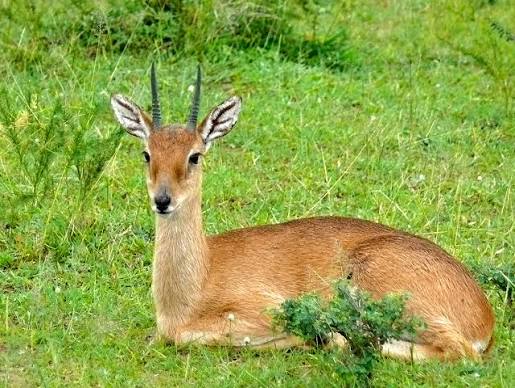
The oribi, Ourebia ourebi, is a small antelope in the family Bovidae. Adults weigh between 12 and 22 kilograms. Shoulder height reaches 50 to 67 centimetres. Only males carry horns short, straight, and ridged at the base, reaching 8 to 19 centimetres. The coat is bright tawny-orange to rufous-brown above with white underparts and a white throat. The tail is short and black. A distinctive bare, circular black patch of skin sits below each ear the subauricular gland, larger and more conspicuous than the equivalent gland in the reedbucks. The face is long and elegant with large dark eyes and prominent ears.
The species’ most distinctive field feature, visible at close range, is a circular bare skin patch below each ear — the subauricular gland. This gland produces scent secretions that both sexes deposit on grass stems and shrubs at territory boundaries.
Social Structure: Pairs and Small Groups
Oribis live in monogamous pairs or small groups of three to five usually one male with two or three females and their offspring. The pair bond is stable and the male holds a territory throughout the year. Territory size ranges from 25 to 100 hectares depending on habitat quality and grass productivity. Both sexes scent mark the territory with the subauricular gland secretion, with dung piles, and with preorbital gland deposits on grass stems.
The alarm response to a predator is the characteristic bounce-run a stiff-legged, rocking canter with the black tail raised and the rump patch displayed. This flash pattern signals to other oribis and may also function as an honest quality signal to pursuit predators as in the Thomson’s gazelle’s stotting, only a fit individual maintains the bouncing display during flight.
Grassland Habitat Requirements
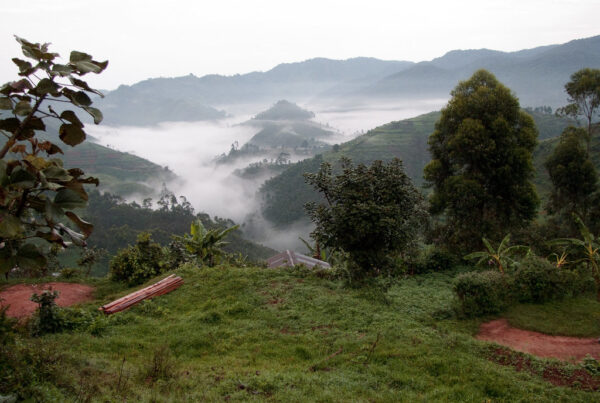
Oribis require medium-height grassland with patches of short grass for grazing and taller grass for cover when threatened. They avoid very dense tall grass and very short open sward. Floodplain grassland, highland rolling meadow, and the medium-grass savanna of Uganda’s Albertine Rift all meet these requirements. Regular burning and moderate grazing by large herbivores maintain the grass height mosaic that oribis prefer — fire-managed grasslands consistently hold higher oribi densities than unmanaged tall-grass areas.
Range in East Africa
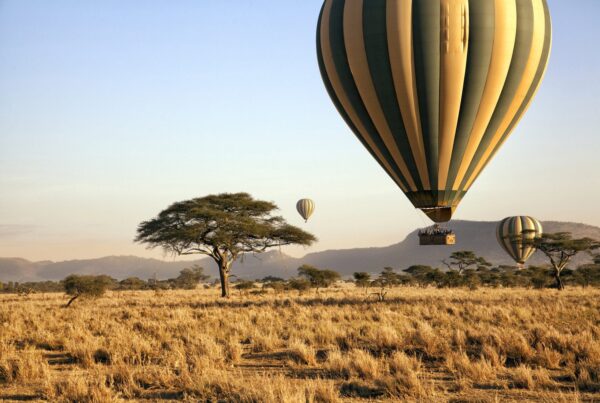
Uganda’s Queen Elizabeth National Park, the Albertine Rift grasslands, and Murchison Falls open areas all hold excellent oribi populations. Kenya’s highland grasslands particularly the Aberdares’ montane meadows and the Mau Forest margins carry oribis. Tanzania’s Serengeti’s medium-grass zones and the Ngorongoro Conservation Area’s highland grasslands hold populations. Rwanda’s Akagera open savanna holds oribis in the grassland sectors.
Plan Your Safari
Uganda’s Queen Elizabeth National Park Ishasha sector and Murchison Falls grasslands produce reliable oribi encounters on open-country game drives. The medium-height grassland that fringe the main road systems in both parks hold resident pairs and small groups throughout the year. Kenya’s Aberdare National Park highland meadows also produce oribi sightings on moorland drives. Stopping the vehicle beside a pair and watching the subauricular gland marking behaviour which both sexes perform frequently on grass stems at territory boundaries rewards patient observation.
African Wild Trekkers includes Uganda’s open grassland antelope habitats in all Queen Elizabeth and Murchison Falls itineraries. Contact us to plan a Uganda safari that captures the country’s full antelope diversity alongside its forest wildlife.