Africa Family Safari 2026: Countries Ranked for Family-Friendliness
Africa Family Safari 2026: Which Country Is Best for Families?
Planning an Africa safari with children requires additional research beyond standard adult safari planning. The considerations that matter most vary significantly between countries and between specific lodges within the same country. These include malaria risk, minimum age requirements for specific activities, accommodation that genuinely welcomes children, and wildlife experiences appropriate for young visitors. This 2026 guide ranks East Africa’s main safari destinations for family-friendliness. The ranking is based on the combination of factors that determine how successfully families with children of different ages can experience Africa’s wildlife without the practical difficulties that poorly planned family safaris consistently produce.
Key Family Safari Considerations
Several factors determine whether a specific Africa destination works well for families with children. Understanding each helps parents make decisions that serve both adult and child traveler needs.
Malaria and Health Considerations
All of East Africa’s major safari parks. In Uganda, Rwanda, Kenya. And Tanzania. Fall in malaria zones that require antimalarial prophylaxis for all visitors including children. Malaria medications appropriate for children exist. Doxycycline is not suitable for children under eight. But Malarone and mefloquine work for paediatric malaria prophylaxis with appropriate dosing. A consultation with a travel medicine physician before the trip is essential for any family with children. Parents should confirm prophylaxis options and dosing by their child’s specific age and weight. They should also bring adequate insect repellent and long-sleeved clothing for dawn and dusk activities when mosquito activity peaks.
South Africa offers the only significant malaria-free Big Five safari option on the continent. This is through the Eastern Cape reserves including Addo Elephant National Park and Kariega Private Game Reserve. These options eliminate the medication concern entirely. They suit families with infants or toddlers for whom malaria medication adds logistical complexity. Families visiting East Africa who want to avoid malaria medication risk for very young children should consider South Africa as the family’s first Africa safari destination. East Africa can then follow as a subsequent trip when the children are older and medication is less logistically complicated.
Minimum Age Requirements
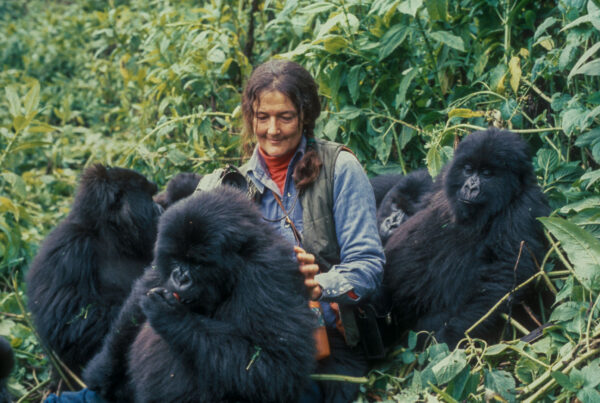
Gorilla trekking in Uganda and Rwanda has a minimum age of 15 years. This excludes younger children from the gorilla encounter entirely. Chimpanzee trekking in Uganda sets a minimum age of 12 at most parks. Safari game drives in Kenya and Tanzania carry no minimum age requirements for children accompanying adults. Many camps and lodges specifically market family-friendly safari experiences with child-adapted interpretation, junior ranger programmes. And activity options that engage children between game drives. Kilimanjaro climbing carries no formal minimum age. But the mountain does not suit children below approximately 10 to 12 years depending on fitness, maturity, and altitude tolerance. Even at these ages, the gradual Marangu route is the only appropriate option.
The 15-year gorilla trekking minimum means families with children under 15 must make a choice. They can visit Uganda and Rwanda for other wildlife while skipping the gorilla experience. Or they can wait until the children are old enough. Queen Elizabeth National Park, the Masai Mara, and Ngorongoro Crater all deliver extraordinary child-appropriate wildlife encounters that justify the trip even without gorilla trekking. Parents should plan the gorilla experience as a future trip rather than a current family itinerary component.
Country Rankings for Family Safari
Ranking East Africa’s safari countries for family-friendliness reveals meaningful differences between destinations that appear similar on the surface.
Kenya: Best Family Safari Country in East Africa
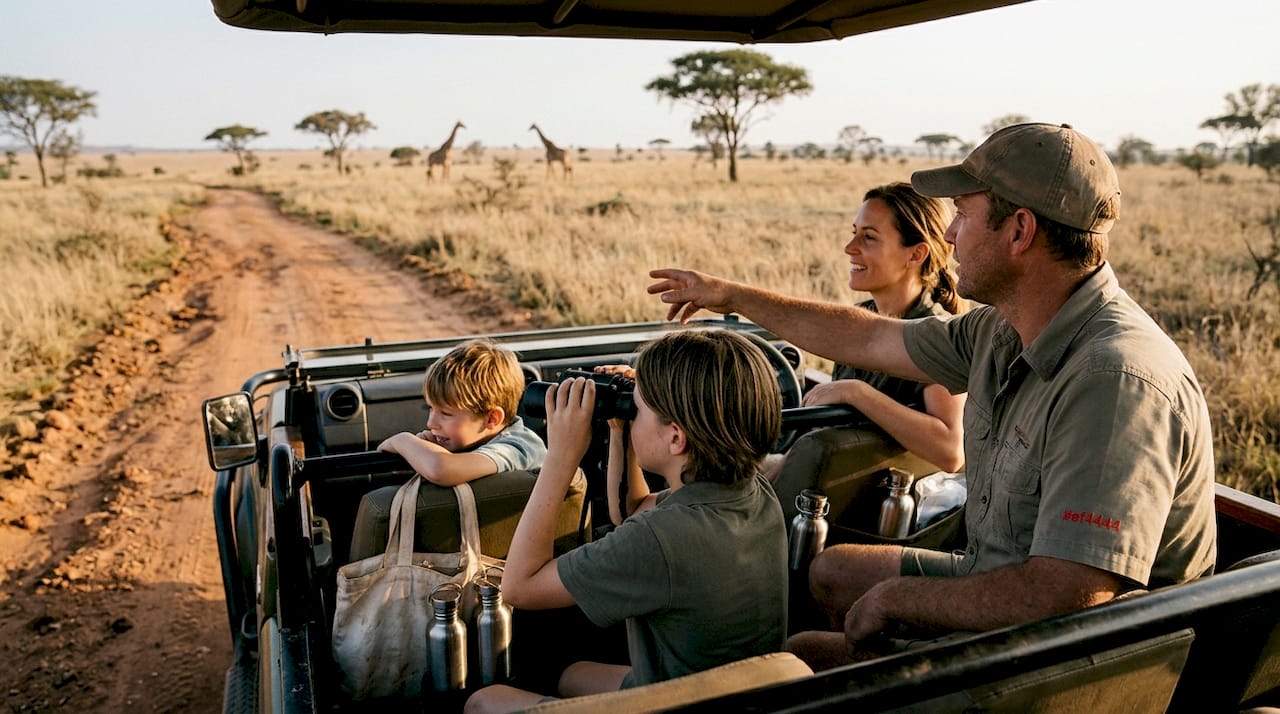
Kenya ranks as East Africa’s best family safari country on several factors. These include excellent lodge infrastructure that frequently includes dedicated family accommodation. Child-adapted safari activities such as junior ranger programmes and bush walks appropriate for older children are widely available. There are no minimum age restrictions on game drives. A wide selection of family-friendly camps has specifically invested in making the safari experience accessible and engaging for children. The Masai Mara’s open terrain means that wildlife sightings are visible from a distance children can appreciate. Dense vegetation in Uganda or Rwanda’s forest destinations makes wildlife spotting harder. Amboseli’s elephant encounters provide child-appropriate wildlife intimacy. Watching a baby elephant play near a vehicle in Amboseli creates child wildlife memories of lasting impact.
Kenya’s internal air connections eliminate long overland drives between parks that can test the patience of younger children. Flying from Nairobi directly to the Masai Mara in under an hour, then to Amboseli, keeps children engaged in the experience rather than exhausted by transit. The wide range of lodge quality and price in Kenya also means that families can find accommodation meeting specific standards for children more easily than in countries with more limited accommodation options. Age-appropriate food, safe pool areas, family rooms, and child-minding services at select properties are all available across the right price points.
Tanzania: Strong Second Choice for Families
Tanzania ranks second for family safari. The Serengeti’s wildlife scale and Zanzibar’s beach extension create a family itinerary combination that appeals strongly to parents. They can balance wildlife intensity with beach recovery for tired children at the trip’s end. Ngorongoro Crater’s compressed wildlife density makes it particularly child-friendly. Virtually every game drive produces encounters with the full range of famous African species in a single day. This kind of concentrated wildlife checklist completion satisfies children in ways that more dispersed game drives over multiple days in larger parks sometimes cannot. The crater’s clear visibility and enclosed landscape also help children orient themselves geographically. The Serengeti’s vast open horizon sometimes makes this difficult for younger visitors.
Zanzibar as a Tanzania family itinerary conclusion creates the recovery and play time that children need after early mornings, long drives, and constant attentiveness during the safari experience. The island’s warm Indian Ocean swimming and snorkelling on coral reefs engage children’s curiosity. The sensory richness of Stone Town’s narrow alleyways and spice markets does so as well. In ways that purely adult travel experiences do not. A Tanzania Northern Circuit safari followed by five days on Zanzibar is one of East Africa’s finest family itineraries. It works well for children from approximately age seven or eight upward with appropriate activity planning.
Plan Your Safari
Family safari itineraries require additional planning for minimum age compliance, accommodation child-friendliness, activity appropriateness, and health preparation. African Wild Trekkers designs family safari packages across Kenya and Tanzania that incorporate child-adapted activities and age-appropriate accommodation with genuine family-friendly facilities. Itinerary sequencing manages energy levels and keeps children engaged across the full duration of the trip.
Every family safari package includes detailed pre-trip health guidance including malaria medication recommendations by child age and weight. Activity schedules balance wildlife intensity with rest and play time. Accommodation is selected specifically for family standards rather than adult safari quality alone.
Contact African Wild Trekkers at africanwildtrekkers.com/contact with your children’s ages and travel dates and we will design the right family East Africa safari within 24 hours.