Things to Do in Rwanda: Beyond Gorilla Trekking
Rwanda rewards travelers with far more things to do than gorilla trekking alone, and the country’s compact size means you can experience multiple ecosystems within a single trip. Things to do in Rwanda range from canopy walks through ancient rainforest to boat safaris on savanna lakes and cycling through tea-covered hills. The country packs remarkable biodiversity, volcanic scenery, and a compelling modern history into a territory smaller than the state of Maryland. African Wild Trekkers designs multi-activity Rwanda itineraries that move efficiently between attractions so clients see the full range of what this destination offers.
Wildlife Experiences Beyond Gorillas
Chimpanzee Tracking in Nyungwe Forest
Nyungwe Forest National Park hosts East Africa’s largest remaining montane rainforest, and its chimpanzee community of over 500 individuals offers tracking experiences that rival the emotional impact of gorilla encounters. Guides locate the chimpanzees through habituated groups accustomed to human presence, and you typically spend 60 minutes observing them feed, groom, and travel through the canopy. The forest is dramatically steep, and the tracking trails challenge your fitness, but the combination of physical effort and primate encounter creates a deeply satisfying experience. Nyungwe also supports 13 primate species in total, which makes a single walk genuinely multi-species if the forest is active. African Wild Trekkers plans Nyungwe days to maximize primate sightings alongside canopy walk timing.
Big-Five Game Drives in Akagera National Park
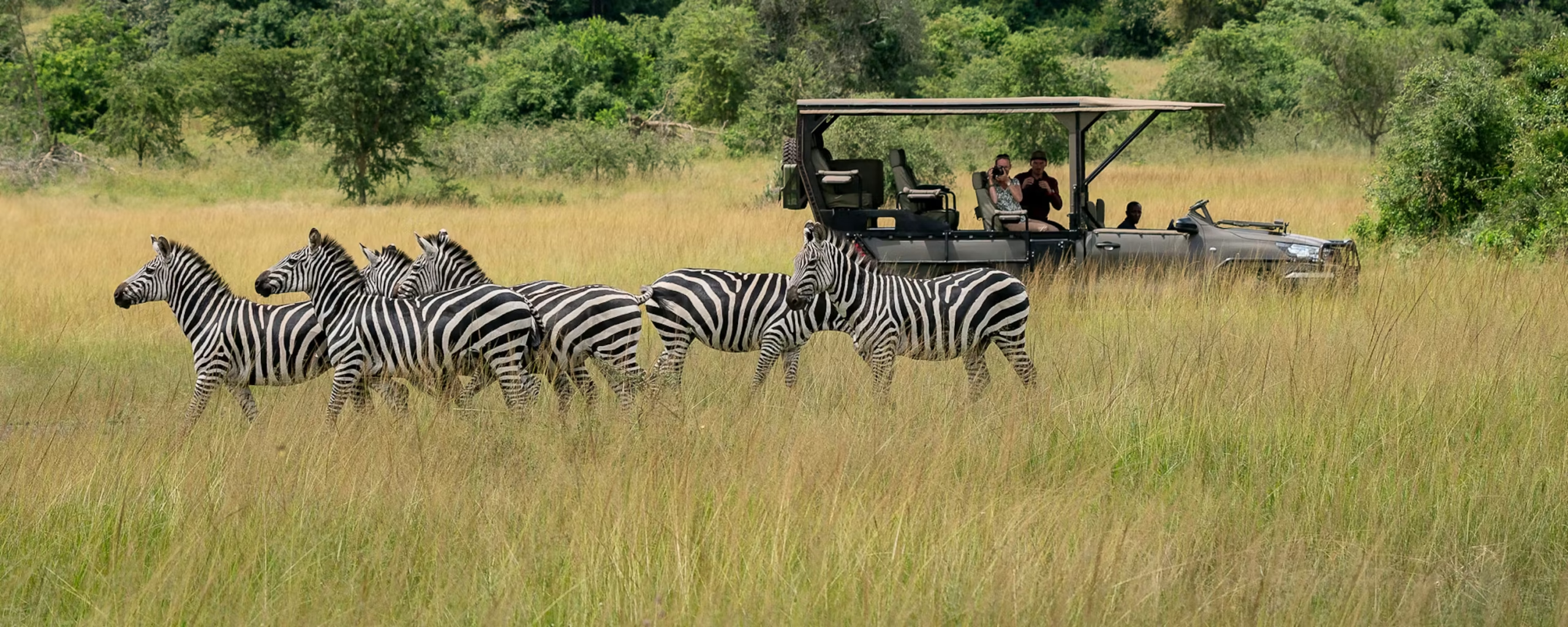
Akagera National Park occupies Rwanda’s eastern savanna and delivers classic African game drive experiences without the crowds found at more famous East African parks. Lions returned to Akagera in 2015 after a 20-year absence, and rhinos joined the population in 2017 through a reintroduction program that African Parks manages in collaboration with the Rwanda Development Board. Buffalo, elephant, hippo, giraffe, zebra, and hyena populate the grasslands and wetlands in healthy numbers visible on full-day drives. The park’s network of lagoons and the vast Lake Ihema support some of the highest hippo densities in Africa, and boat safaris on the lake deliver close hippo and crocodile encounters in calm afternoon water. A one-night stay inside the park allows you to experience early morning game drives when predator activity peaks.
Golden Monkey Tracking in Volcanoes National Park
Golden monkeys exist only in the Albertine Rift highlands, and Volcanoes National Park holds one of the most accessible habituated groups anywhere in their range. The vivid gold-and-black coloring of these primates makes photographs striking, and the bamboo forest habitat where they feed provides a visually rich backdrop. A golden monkey permit costs $100 USD in 2026, which is significantly more affordable than the gorilla permit, and the tracking experience lasts between 60 and 90 minutes of close observation. Travelers who already hold a gorilla permit often add a golden monkey session on a second Volcanoes day to round out their primate experience. This pairing makes Volcanoes National Park one of the world’s best destinations for primate-focused wildlife tourism.
Landscape and Adventure Activities
Canopy Walk in Nyungwe Forest
Nyungwe’s suspended canopy walkway reaches 70 meters above the forest floor across a series of cable-supported platforms, and the views across the unbroken treetops stretch to the horizon in every direction. The walkway sways gently as you cross, and this motion combined with the height creates a mild but memorable sense of exposure that most travelers find exhilarating rather than frightening. Colobus monkey troops frequently use the canopy at the same level as the walkway, and sightings of these long-tailed primates at eye level rank among Nyungwe’s most photographed moments. Morning visits offer the best light and the most active wildlife conditions along the walkway trail. African Wild Trekkers times canopy walk entries to align with chimpanzee tracking departure times so the entire Nyungwe day flows without wasted transit.
Kayaking and Beach Time at Lake Kivu
Lake Kivu stretches along Rwanda’s western border for 90 kilometers, and its calm volcanic waters and highland altitude create a beach atmosphere refreshingly unlike anything else in inland Africa. Rubavu town on the northern lakeshore offers kayaking, stand-up paddleboarding, and sunset boat cruises organized by several established operators with proper safety equipment. The lake sits at 1,460 meters above sea level, so the climate remains comfortably warm without equatorial intensity, and afternoons on the water feel genuinely restorative after days of trekking. Karongi on the southern shore offers a quieter, more remote lake experience with community-based tourism operators running fishing village visits and nature walks along the shoreline. A two-night Lake Kivu stay between Nyungwe Forest and Kigali connects two of Rwanda’s most compelling landscapes through a genuinely relaxing transit point.
Cycling Through the Thousand Hills
Rwanda’s nickname, the Land of a Thousand Hills, describes the corrugated highland terrain that also happens to create outstanding road cycling conditions between the hills and valleys. Several operators in Musanze and Kigali offer guided cycling routes through tea estates, farming villages, and secondary forest with sag wagons trailing the group for tired riders. The terrain suits intermediate cyclists comfortable with long climbs, and the reward at each ridge is a panoramic view across the next valley and the distant volcano silhouette. Community cycling programs in the Musanze area connect cyclists directly with local households for lunch stops and cultural exchange that organized bus tours cannot replicate. African Wild Trekkers integrates a half-day cycling excursion into longer Rwanda itineraries for clients who want active experiences between their wildlife days.
Cultural and Historical Sites
Kigali Genocide Memorial
The Kigali Genocide Memorial stands on a hillside above the city center and documents the 1994 genocide against the Tutsi through personal testimony, photographs, and carefully curated historical narrative. The memorial buries more than 250,000 victims on its grounds, and the garden of reflection above the mass graves is maintained with dignity and care. Every Rwanda visitor who arrives through Kigali should allocate at least two hours to this site because it provides essential context for understanding the transformation the country has undergone in the decades since. Guides at the memorial speak honestly about the causes, events, and aftermath of the genocide without shying away from difficult truths. African Wild Trekkers schedules the memorial visit on the Kigali arrival or departure day so it does not compete with wildlife activities in the itinerary.
Iby’Iwacu Cultural Village
The Iby’Iwacu Cultural Village near Volcanoes National Park offers a participatory cultural experience where former poachers and their families now share traditional skills, music, and stories with visitors as a sustainable livelihood alternative. You can try traditional Rwandan brewing, participate in a mock king’s court ceremony, watch intore dance performances, and handle traditional weapons in a demonstration context. The community manages the village entirely and directs tourism revenue to school programs, healthcare, and conservation education. The experience avoids the staged performance feel common at less authentic cultural sites because the guides share genuine family histories rather than scripted routines. African Wild Trekkers pairs this village visit with gorilla trekking at Volcanoes National Park to create a morning of wildlife and an afternoon of cultural depth.
Congo Nile Trail Hiking
The Congo Nile Trail runs 227 kilometers along Lake Kivu’s Rwandan shoreline from Rubavu to Rusizi, passing through fishing communities, tea estates, and remote forest sections where few tourists venture. You can walk sections of the trail independently or hire a community guide for specific segments, and the trail divides logically into day stages that end at guesthouses or homestays. The physical challenge ranges from easy shoreline walking to steep inland ridge sections, and the diversity of landscape keeps multi-day hikers consistently engaged. Cyclists also use the Congo Nile Trail for multi-day mountain bike adventures organized by specialist operators based in Rubavu. This trail represents one of Rwanda’s most authentic long-distance experiences and connects several lakeside communities that benefit directly from trail tourism.
Plan Your Safari
Build Your Rwanda Multi-Activity Trip
African Wild Trekkers designs Rwanda itineraries that combine gorilla trekking, wildlife drives, cultural visits, and adventure activities into a seamless journey. Contact us at africanwildtrekkers.com/contact to start planning.
What Your Package Covers
Your Rwanda package includes all permits, accommodation, private transfers, experienced guides, and park fees for every activity in your itinerary. We handle every booking so you focus entirely on the experience.
Request Your Custom Rwanda Quote
Share your travel dates and interests, and we will send a tailored Rwanda itinerary within 24 hours. Reach us at africanwildtrekkers.com/contact to get started.