Akagera Boat Safari: Rwanda’s Best Wildlife Water Experience on Lake Ihema
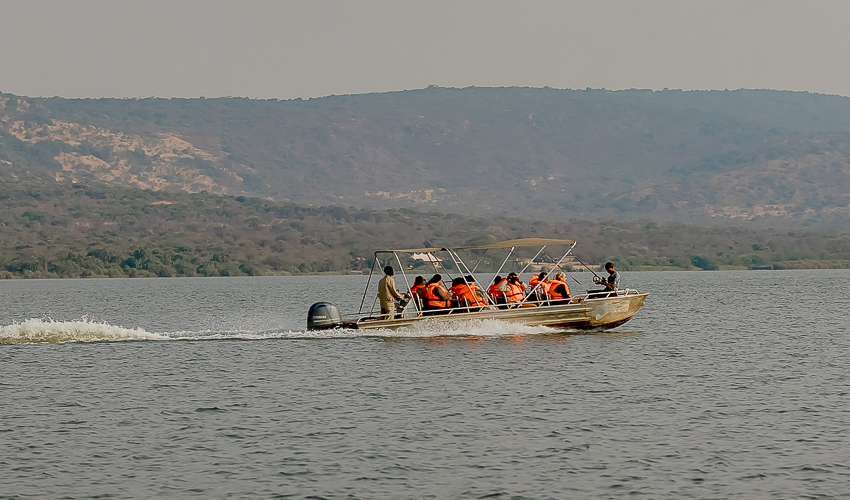
An Akagera boat safari on Lake Ihema delivers some of the most intimate wildlife encounters available anywhere in Rwanda, placing you at water level within meters of hippo pods, Nile crocodiles, and extraordinary waterbird concentrations. Lake Ihema sits at the heart of Akagera National Park in eastern Rwanda, and its papyrus shoreline supports one of Africa’s highest hippo densities relative to lake area. The boat departs the Akagera Game Lodge jetty each morning and afternoon, and the two-hour circuit covers lagoon channels and open water where wildlife density peaks at both ends of the day. African Wild Trekkers combines the Akagera boat safari with a full-day game drive to create a complete eastern Rwanda wildlife experience that showcases both land and water ecosystems.
Wildlife You Will See on the Boat
Hippo Pods on Lake Ihema
Lake Ihema hosts approximately 2,000 hippos within and around Akagera National Park, and the boat safari puts you close enough to hear them grunt, exhale, and submerge with startling power just meters from the hull. Hippos cluster in pods of 10 to 40 individuals during daylight hours, surfacing rhythmically to breathe before sinking back to rest on the shallow lake floor. The boat operator maintains a respectful distance that gives excellent photography opportunities without triggering the territorial behavior that makes hippos genuinely dangerous on foot or in a kayak. Early morning boat departures find hippos especially active because the animals surface more frequently in cool conditions, and their backlit silhouettes against a rising sun create dramatic photographic compositions. Calves born within the past few months stay pressed against their mothers’ flanks and react to the boat’s presence with wide-eyed curiosity before their mothers nudge them back under the surface.
Nile Crocodiles on the Shoreline
Nile crocodiles line the papyrus edges and exposed mud banks throughout Lake Ihema, and the boat passes dozens of individuals during a single circuit ranging from juveniles less than a meter long to ancient adults exceeding four meters of armor-plated reptile. Crocodiles thermoregulate by basking motionless with mouths open to release heat, and this stillness makes them look deceptively inanimate until the boat’s proximity triggers a sudden slide from rock to water that demonstrates their explosive speed. The population has recovered strongly under African Parks management since 2010, and the density of crocodiles visible on any afternoon boat represents a meaningful conservation success rather than an assumed given. Your guide explains the crocodile life cycle, nesting behavior, and role in the lake ecosystem during the sections between major wildlife sightings. Photographing crocodiles requires patience for the moments when they rest with their heads raised and their textured scale patterns catch the side light.
Waterbirds and Papyrus Specialists
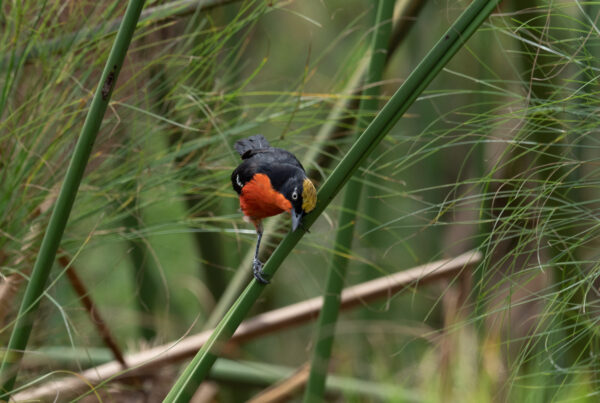
Akagera’s wetland system supports over 500 bird species including numerous waterbirds that the boat safari accesses at eye level rather than from the elevated perspective of a game drive vehicle. Shoebills — the prehistoric-looking stork-related bird that ranks among Africa’s most sought-after species — inhabit the papyrus channels at Akagera and appear regularly on boat safari circuits in the northern lagoon sections. African fish eagles perform their spectacular diving hunts directly over the boat, and the guides know the habitual perch trees where these birds wait between fishing strikes. Malachite kingfishers, pied kingfishers, African jacanas, yellow-billed storks, and goliath herons all appear consistently along the lake margins during a standard circuit. Dedicated birders who request a longer or specially routed boat trip focused on papyrus specialists can arrange this through African Wild Trekkers with advance notice to the Akagera boat team.
Planning Your Akagera Boat Safari
Best Time of Day for the Boat
The morning boat departure at approximately 8 AM catches the coolest part of the day when waterbird activity peaks and hippos remain more active than during midday heat. Crocodile basking begins earnestly from mid-morning as the sun warms the mud banks, making the 10 AM and midday period excellent for reptile photography even though bird activity drops compared to early morning. Afternoon departures around 4 PM benefit from golden light conditions that transform every photograph taken on the water into something extraordinary, and hippo activity increases again as the temperature drops toward dusk. Sunset boat safaris watch hippos begin their nightly land-grazing exodus from the lake, which provides dramatic silhouette photography and marks one of Akagera’s most memorable visual experiences. Book both morning and afternoon boat sessions if your schedule allows, because the two light conditions and animal behavior patterns are genuinely different enough to justify both trips.
Combining Boat Safari with Game Drives
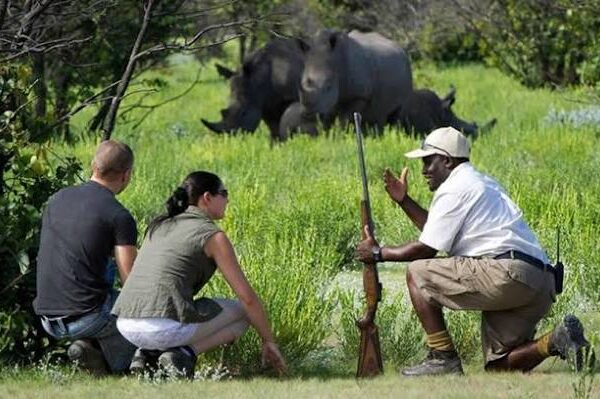
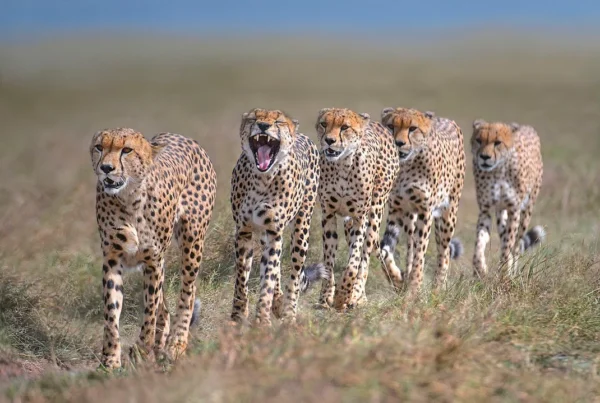
The most complete Akagera experience combines a morning game drive through the northern grassland circuits with an afternoon boat safari on Lake Ihema, covering the park’s two primary ecosystems within a single long day. The northern grasslands hold lions, elephants, giraffes, and zebras that appear reliably during early morning game drive circuits before the heat forces them into shade. After lunch at the lodge, the afternoon boat safari shifts your perspective entirely from land mammals to water wildlife, and the contrast makes both experiences feel more vivid. Staying overnight inside the park at Akagera Game Lodge or Ruzizi Tented Lodge allows you to access the absolute best early morning and late afternoon game drive windows that day visitors from Kigali cannot reach. A two-night Akagera stay enables a full morning drive, afternoon boat, second morning drive, and a second afternoon boat — the ideal structure for maximizing both ecosystems.
Getting to Akagera National Park
Akagera National Park sits approximately 100 kilometers east of Kigali, and the drive from the capital takes two to two-and-a-half hours along a well-maintained paved road through rolling eastern Rwanda farmland. The park entrance gate opens at 6 AM, and travelers who aim to catch the first boat departure need to leave Kigali by 5 AM or stay the previous night in Kayonza town, the nearest sizeable settlement to the park gate. African Wild Trekkers arranges all Akagera transfers and overnight bookings as part of eastern Rwanda itinerary packages, ensuring clients arrive in time for their allocated boat departure without stressful early-morning logistics. Kigali day trip packages to Akagera are popular but necessarily sacrifice either the morning game drive window or the afternoon boat safari, so an overnight stay genuinely improves the experience for almost every traveler.
Akagera’s Conservation Comeback
African Parks and the Akagera Transformation
African Parks assumed management of Akagera National Park in 2010 when the park suffered severe poaching pressure, degraded habitat, and a local community relationship defined by conflict rather than coexistence. Within five years, anti-poaching patrol efficiency improved so dramatically that elephant poaching effectively ceased, and lion reintroduction became possible because prey populations had recovered to viable densities. The 2015 lion reintroduction brought seven lions from South Africa and Zimbabwe, and the population has grown steadily through natural breeding to approximately 50 individuals by 2026. Black rhino arrived from European zoo populations and private South African reserves in 2017, completing Akagera’s transformation into a genuine big-five park and fulfilling a conservation outcome that seemed unimaginable when African Parks first took over. Your boat safari ticket fee contributes directly to the operating budget that funds rangers, veterinary care, and community programs sustaining this recovery.
Why the Boat Safari Matters for Conservation
Tourism revenue from activities like the boat safari funds the long-term operations that keep Akagera viable as a wildlife sanctuary, and African Parks publishes annual financial transparency reports that demonstrate exactly how visitor fees translate into ranger salaries, equipment, and community benefit programs. The park shares 10 percent of gate revenue directly with communities adjacent to the park boundary, creating economic incentives for local households to support wildlife protection rather than view the park as land withheld from agricultural use. When you book an Akagera boat safari through African Wild Trekkers, your spending contributes to this model in a meaningful way that goes beyond the personal experience of the activity itself. Understanding this connection transforms a wildlife boat trip from a tourist entertainment into a deliberate act of conservation investment that has measurable outcomes on the ground.
Plan Your Safari
Book Your Akagera Boat Safari
African Wild Trekkers arranges Akagera boat safaris as part of overnight eastern Rwanda packages combining game drives, boat trips, and lodge stays inside the park. Contact us at africanwildtrekkers.com/contact to plan your visit.
What Your Package Covers
Your Akagera package includes park entry fees, boat safari booking, game drive vehicle and guide, and accommodation at Akagera Game Lodge or Ruzizi Tented Lodge with all meals included.
Request Your Akagera Itinerary Quote
Tell us your Kigali dates and we will design an Akagera overnight itinerary that maximizes both land and water wildlife encounters. We respond within 24 hours at africanwildtrekkers.com/contact.