Iby’Iwacu Cultural Village Rwanda: Culture, Conservation and Community
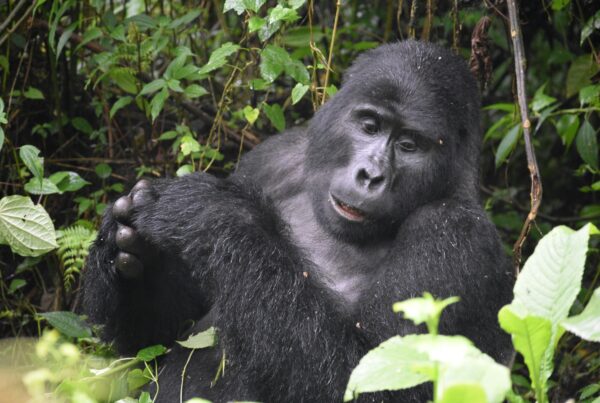
The Iby’Iwacu Cultural Village Rwanda guide begins with the story that makes this experience unlike any other community tourism program in Africa. The village was founded in 2007 by a former poacher named Thadée Birori, who had personally killed mountain gorillas before becoming one of their most passionate protectors. The name means “at our place” in Kinyarwanda, and the program employs over 100 former poachers and community members from the villages surrounding Volcanoes National Park as cultural performers, craft makers, guides, and hospitality workers. Visiting Iby’Iwacu supports cultural preservation, wildlife conservation, and direct community income simultaneously—and it delivers one of the most authentic and engaging cultural experiences in East Africa.
The Story Behind the Program
From Poacher to Conservation Ambassador
The founding story of Iby’Iwacu is essential to understanding why this experience carries so much more weight than a standard cultural show. Thadée Birori spent years as a poacher in the forests surrounding Volcanoes National Park, killing gorillas and other wildlife to survive. His transformation into a conservation advocate came through engagement with the tourism economy that was beginning to develop around gorilla trekking in the late 1990s and early 2000s. He recognized that live gorillas accessible to tourists generated more sustainable income for communities than dead gorillas did for poachers, and he worked with the Rwanda Development Board and conservation organizations to establish a program that gave other former poachers the same economic alternative he had found. The story is not an abstraction—Thadée and some of the original founding members still participate in the program, and meeting them directly changes how you understand Rwanda’s conservation success.
Economic Impact on Park-Adjacent Communities
The communities surrounding Volcanoes National Park lost access to forest resources when the park was formally protected, creating economic pressure that historically drove poaching. Iby’Iwacu addresses this directly by providing consistent income to over 100 community members through tourism employment. Performers, craft sellers, guide-demonstrators, and cooks all earn regular wages that were previously unavailable in villages with limited agricultural land and no formal employment base. This income reduces the economic incentive to encroach on park resources — a community member earning $10 to $20 per day from tourism has significantly less motivation to risk the legal consequences of poaching than a community member with no income alternatives. The program has won multiple international responsible tourism awards and been studied by conservation programs across Africa as a replicable model.
What Visitors Experience at Iby’Iwacu
Traditional Intore Dance and Music
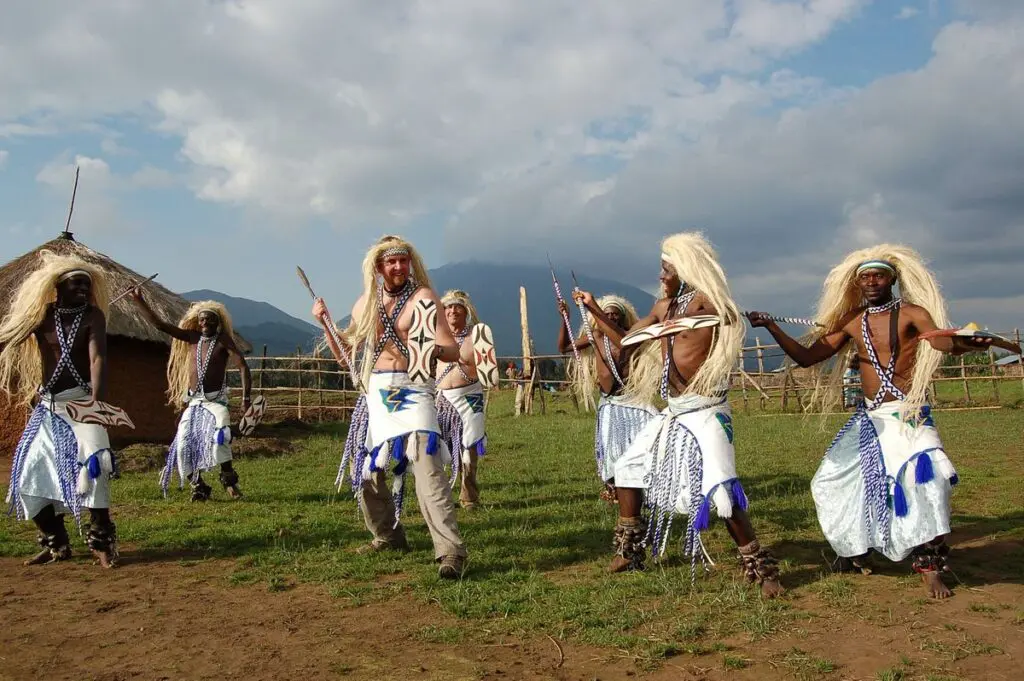
The cultural program opens with a traditional Rwandan Intore dance performance—the iconic warrior dance characterized by dramatic raffia headdresses, energetic footwork, and rhythmic percussion from a live drumming ensemble. Intore originally accompanied royal gatherings, harvest celebrations, and military ceremonies in pre-colonial Rwanda. The performance at Iby’Iwacu is not simplified or sanitized for tourist audiences—it is genuine cultural expression delivered by community members who grew up with these traditions. The drumming ensemble performs traditional rhythms on handmade drums, and visitors are invited to join the dancers during sections of the performance. The combination of physical energy, color, and traditional music creates an atmosphere that is consistently moving for visitors who engage with it.
Traditional Skills Demonstrations
Guide-demonstrators walk visitors through traditional bow-and-arrow hunting techniques, fire-making skills, banana beer brewing methods, and the traditional medical plant knowledge of the communities surrounding the Virunga volcanoes. Each demonstration is interactive—visitors try the bow and arrow, participate in fire-making, and taste the banana beer at appropriate stages of the tour. The traditional plant medicine section is particularly engaging because the guides demonstrate specific plants used for different ailments and explain how this knowledge was preserved across generations before formal healthcare reached these communities. These skills are not performance inventions — they represent practices that many of the demonstrators’ grandparents used in daily life, and their transmission through tourism keeps cultural heritage alive while providing income to those who carry it.
Craft Shopping and Community Purchasing
Authentic Rwandan Crafts Directly From Makers
Iby’Iwacu has a well-organized craft market where visitors can purchase imigongo paintings, agaseke baskets, traditional jewelry, and wildlife sculptures directly from the community members who made them. Imigongo is a form of geometric art unique to Rwanda, traditionally made by women using cow dung mixed with natural earth pigments to create intricate raised patterns on wooden or canvas boards. The result is striking, lightweight, and genuinely representative of Rwandan artistic culture—a far more meaningful souvenir than the mass-produced items sold at Kigali airport for higher prices. Agaseke baskets are handwoven from sisal and sweetgrass using techniques passed down through generations, and their geometric patterns carry traditional symbolic meanings that guides explain on request. Prices at Iby’Iwacu are transparent and fair — significantly lower than airport or hotel gift shop equivalents for items of comparable quality.
How Payments Support the Community
Entry fees paid by visitors and craft sales revenue are distributed directly to the community members involved in delivering each activity, rather than flowing through a management layer that takes a large percentage before community members see any benefit. The program management itself is run by elected community representatives rather than external NGO staff, ensuring that operational decisions reflect community priorities. African Wild Trekkers includes Iby’Iwacu as a standard afternoon activity in all Volcanoes National Park itineraries that have available time between morning gorilla trekking and lodge check-in because the experience consistently receives among the highest satisfaction ratings of any activity on a Rwanda safari from our clients.
Practical Visit Information
Entry Fees, Duration and What to Bring
The standard Iby’Iwacu cultural program costs approximately $20 to $40 per person depending on which activities are included in the session. The full program takes one and a half to two hours and pairs naturally with an afternoon visit after returning from a morning gorilla trek or golden monkey trek. Bring Ugandan shillings or US dollars for craft purchases—card payment is not available at community stalls. Bring a camera—the Intore dance performance is highly photogenic, and demonstrations produce excellent close-up images of traditional skills in active use.
Booking and Timing Your Visit
Iby’Iwacu operates year-round, but reduced programming occurs during major religious holidays and school exam periods when community members have competing commitments. Pre-booking at least 48 hours in advance ensures the full program is prepared and staffed for your visit group. African Wild Trekkers confirms Iby’Iwacu scheduling alongside your gorilla permit booking as part of standard Volcanoes itinerary planning, ensuring that your afternoon in the cultural village aligns with when the full team is available rather than leaving your visit to chance on arrival day.
Plan Your Uganda Safari
How to Start Your Booking
Contact Us With Your Travel Dates
Reach out to African Wild Trekkers with your travel dates and group size. We check gorilla permit availability first, then build your complete itinerary, including cultural experiences, park activities, and lodge stays, around your confirmed permit date. Early contact is essential for peak season travel.
Tell Us Your Budget and Style
We build itineraries at every budget level. Share your preferences, interests, and budget,, and we will will cinterests,alibudget, that covers everythingthing from permits and lodges to cultural experiences and commbudget,sits thae youcreate a budgetgel rather theverything budgek-list.
What Every Package Includes
Permits, Fees and Activities
All activity permits, park entry fees, ranger guide charges, and cultural activity fees are included in your quoted price. There are no hidden additions after booking. Every cost is confirmed in writing before your deposit is requested.
Transport, Accommodation and Meals
A private 4×4 safari vehicle, all lodge accommodation, full-board meals, airport transfers, and 24/7 in-country support are included in every African Wild Trekkers package from your first arrival to your final departure.
Why Travel With African Wild Trekkers
Local Expertise That Makes a Difference
We are a Uganda– and Rwanda-based team with personal knowledge of every activity, lodge, and guide in our network. We visit these cultural programs, trek these forests, and drive these park circuits ourselves. Our itineraries are built on direct experience rather than secondary research, and that makes every recommendation more reliable and every experience more rewarding.
Request Your Custom Safari Quote
Visit africanwildtrekkers.com/contact to send your inquiry. We respond within 24 hours and deliver your personalized itinerary within three working days.