Akagera Black Rhino Trekking: Rwanda’s Most Exclusive Wildlife Encounter
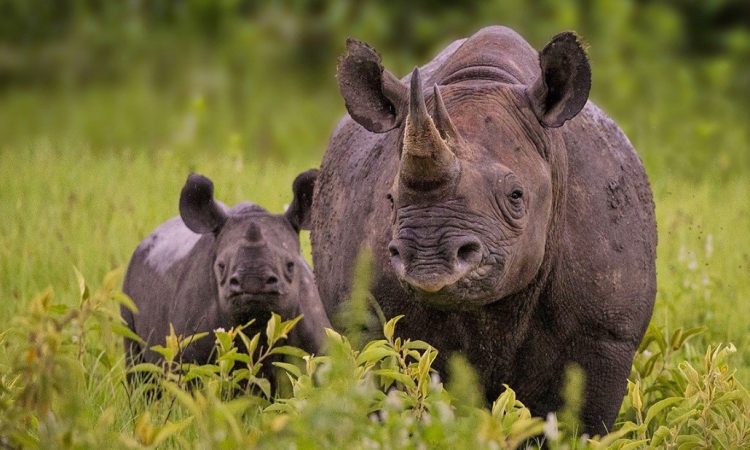
Akagera black rhino trekking offers one of Africa’s rarest wildlife encounters, tracking endangered rhinos on foot in Akagera National Park.The park rebuilt its black rhino population from zero to a viable breeding group within less than a decade after reintroduction.Black rhinos disappeared from Rwanda decades before 2017, when conservation teams reintroduced them from European and South African populations.
This program ranks among Africa’s most ambitious large mammal reintroduction efforts in recent modern conservation history across protected areas.African Wild Trekkers arranges rhino trekking experiences for clients seeking intimate encounters alongside standard game drives and boat safaris.
The Black Rhino Reintroduction
African Parks partnered with the Rwanda Development Board and international zoos and reserves to source founder rhino populations.The first rhinos arrived in 2017 after quarantine, health screening, and behavioral assessments before transport into Akagera National Park.Teams placed the rhinos in soft-release bomas for acclimatization before opening fences and allowing movement across the wider park.
Conservationists mixed individuals from different source populations to increase genetic diversity and reduce inbreeding risks in future generations.By 2026, natural births increased the population to more than 30 individuals across the protected ecosystem.Rangers monitor every rhino daily using GPS tracking collars that support real-time location and field tracking operations.
Why Black Rhinos Remain Endangered
Poachers target black rhinos for their horns, which still drive illegal demand in parts of Asian traditional medicine markets.Global populations reached about 6,000 individuals, recovering from fewer than 2,500 in the early 1990s after severe declines.Historical populations exceeded 70,000 rhinos in 1970, showing the scale of long-term losses across African landscapes.Akagera contributes to global conservation networks that maintain genetically diverse populations across wild and managed breeding programs.
African Parks built fences, surveillance systems, ranger units, and informant networks to eliminate poaching threats inside the park.No successful rhino poaching incidents have occurred in Akagera since reintroduction due to strict protection systems.
The Tracking Experience
Rangers locate rhinos first using GPS data before guiding trekking groups toward field positions on foot.Trackers lead groups by reading footprints, dung, and browsed vegetation to confirm movement direction and recent activity.Guides approach rhinos from downwind and maintain slow movement while using whispers and hand signals for communication.Black rhinos rely on smell and hearing because they have poor eyesight but react quickly to nearby threats.
Visitors usually see rhinos at 30–80 meters, close enough to observe horns, posture, and detailed behavior clearly.The full tracking experience lasts two to four hours depending on terrain and rhino movement patterns.
Safety and Guide Protocols
Specialist ranger guides train in large mammal tracking, safety procedures, and emergency response protocols for rhino encounters.Black rhinos often charge without warning, so guides prioritize early behavioral detection and strict distance control.Participants follow the lead tracker in formation and only move when guides signal safe progression.Strict adherence to instructions ensures safe experiences, and the program operates without incident under proper compliance.
Permits and Booking
Akagera black rhino trekking uses a limited daily permit system to protect rhinos and maintain high-quality tracking experiences.The 2026 permit costs about $200 USD per person and includes tracker services and GPS monitoring support.Park entry fees apply separately, and African Wild Trekkers includes them in complete safari packages.Operators recommend advance booking because limited daily slots fill quickly during peak visitor seasons.The program requires at least two participants, although operators may arrange single supplements when possible.
Combining Activities in Akagera
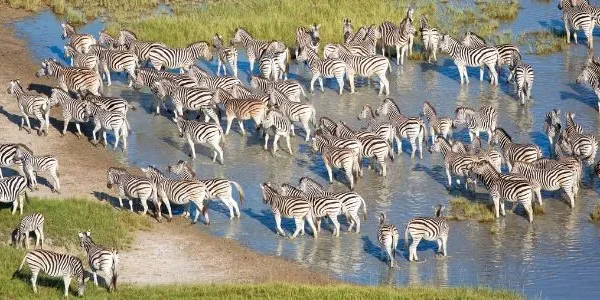
A two-day itinerary includes rhino trekking, full game drives, and boat safaris across Akagera National Park.Visitors see lions, elephants, giraffes, hippos, crocodiles, and rare waterbirds across land and water habitats.African Wild Trekkers recommends staying at Ruzizi Tented Lodge or nearby lodges inside the park.Early park stays eliminate long transfers from Kigali and maximize wildlife viewing during early morning and evening hours.This structure allows travelers to experience predators, rhinos, and wetlands within a single comprehensive safari itinerary.
Plan Your Safari
Book Your Akagera Rhino Trek
African Wild Trekkers arranges Akagera black rhino trekking slots alongside game drives and boat safaris in complete two-night eastern Rwanda packages. Contact us at africanwildtrekkers.com/contact to check availability and confirm your booking.
What Your Package Covers
Your Akagera rhino trekking package includes the tracking permit, park entry fees, specialist guide, boat safari, game drives, and two nights at Akagera Game Lodge or Ruzizi Tented Lodge with all meals and Kigali transfers included.
Request Your Akagera Itinerary Quote
Share your Kigali travel dates and we will design a complete Akagera package that includes rhino trekking alongside all major park activities. We respond within 24 hours at africanwildtrekkers.com/contact.