Tanzania Top Wildlife Parks Ranked: Which Has the Best Game Viewing?
How to Rank Tanzania’s Wildlife Parks
Tanzania protects more land in national parks, game reserves, and conservation areas than almost any other African country. The resulting range of wildlife destinations is extraordinary. With over 20 distinct parks accessible to international visitors—fromhe world-famous Serengeti to little-known Katavi and Saadani—choosinghere to go requires a clear framework for comparison. Ranking these parks means defining what “best” means in practice: raw wildlife density, species diversity, predator activity, crowd levels, activity variety, landscape beauty, or some combination of these factors weighted by your specific priorities.
This ranking uses a composite assessment across four dimensions: wildlife density and Big Five reliability, predator activity and sighting quality, landscape and atmosphere, and accessibility relative to value. It reflects 2026 conditions based on current conservation status, access infrastructure, and guide quality at each location. Parks that rank lower for general wildlife viewing may rank considerably higher for specific interests like birding, walking safaris, or primate encounters. Use this as a comparative framework for designing a Tanzania multi-park itinerary.
Tier 1: Tanzania’s Greatest Safari Parks
Serengeti, Ngorongoro, and Tarangire
1. Serengeti National Park
The Serengeti ranks first among Tanzania’s wildlife parks by almost any composite measure. The sheer volume of wildlife—3,000ions; hundreds of thousands of wildebeest and zebra; 500 bird species; and the full predator guild,, including cheetahs, leopards, wild dogs, and hyenas in enormous numbers—makest the most wildlife-dense major protected area in East Africa. The annual wildebeest migration, the Mara River crossings from July through October, and the calving season around Ndutu from December through March create sequential wildlife spectacles that give the Serengeti a year-round case for top ranking. The park’s scale—over4,000 square kilometers of protected savannah—meanst absorbs visitor numbers without feeling crowded across most of its area. Game drive quality here with an excellent guide is simply without peer in Tanzania.
The Serengeti’s one limitation is that vehicle concentrations at major sightings during the peakpeak July to August season can run high. At lion kills and Mara River crossings, every nearby vehicle converges simultaneously. Staying in the less-visited northern and western sectors — rather than the heavily trafficked central Seronera area — partly addresses this. Despite this limitation, the Serengeti’s wildlife quality across every other dimension makes it the undisputed top-ranked Tanzania safari park by composite score.
2. Ngorongoro Conservation Area
Ngorongoro Crater ranks second for one fundamental reason: the sheer reliability of Big Five wildlife viewing within a compact, scenically extraordinary environment. The crater floor—260quare kilometers enclosed by volcanic walls—concentratesions, elephants, buffalo, black rhinos,, and occasionally leopards at densities that make successful Big Five sightings within a single day almost routine for guests with a competent guide. The black rhino population is one of the most reliably viewable in East Africa. The crater’s natural containment keeps these critically endangered animals within clear sight of visitors more consistently than any other Tanzania location.
The crater’s limitation is its mandatory day-visitor structure. Park rules prohibit overnight stays on the crater floor, so you experience it in a single day rather than across multiple mornings and evenings as would be ideal. Vehicle numbers on the crater floor can also run high during the most popular descent windows. But within these constraints, Ngorongoro delivers wildlife encounter quality and reliability that no other single-day Tanzania destination can match. The landscape beauty of the crater rim views is genuinely exceptional.
3. Tarangire National Park
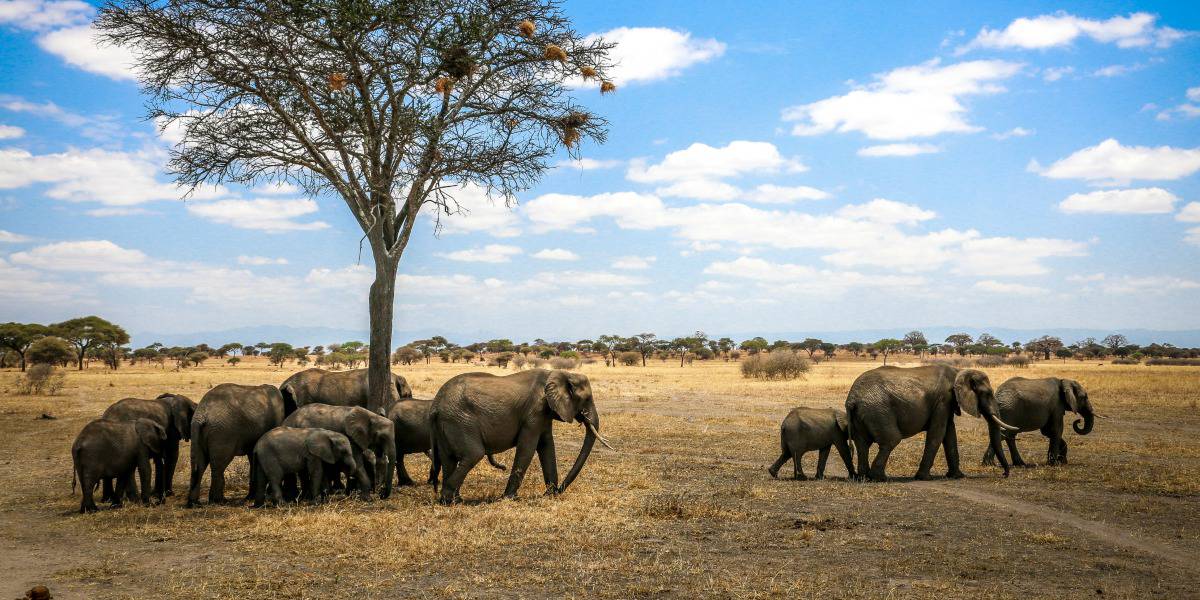
Tarangire ranks third on the strength of its exceptional dry-season elephant concentrations and its dramatic baobab. dded landscape. During June through October, elephant herds numbering in the hundreds converge on the permanent Tarangire River. These scenes of massed elephant, calf activity, and inter-herd interaction represent arguably the finest elephant viewing in East Africa. The park also holds significant lion and leopard populations, good wild dog sightings in recent years, and ancient baobab trees that create some of Tanzania’s most visually distinctive wildlife photography settings. Tarangire ranks below Serengeti and Ngorongoro primarily because it peaks only in the dry season. The green-season experience is pleasant but not exceptional. Rhinoss are essentially absent, which limits the Big Five checklist. Within its dry-season window, however, Tarangire is world-class.
Tier 2: Exceptional Parks for the Informed Safari Traveller
Ruaha, Selous, and Mahale
4. Ruaha National Park
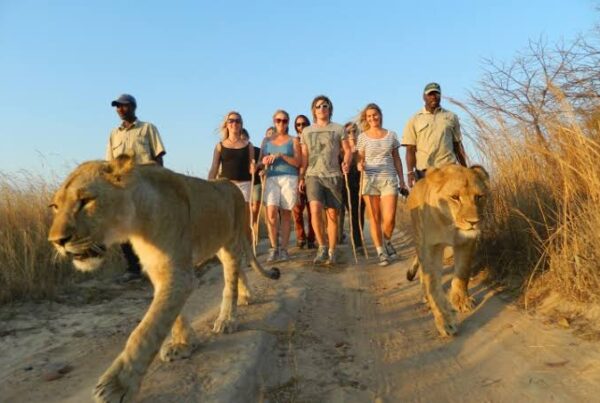
Ruaha ranks fourth and would rank considerably higher for travelerswho prioritize predator drama, walking safaris, and exclusivity over accessibility and species completeness. Tanzania’s largest national park holds lion populations rivalingthe Serengeti in size. Wild dog packs range across its vast terrain, and visitors encounter them more reliably here than almost anywhere on the northern circuit. Elephant herds concentrate along the Great Ruaha River in extraordinary numbers. Predator activity around buffalo and elephant hunting events generates some of the most intense wildlife observation in any Tanzania park. The baobab and escarpment landscape has a rugged visual character entirely distinct from the northern parks. Low visitor numbers mean that nearly every wildlife encounter occurs in near-total privacy. Ruaha ranks below the Tier 1 parks primarily because access is more difficult and the green-season experience is limited.
5. Selous Game Reserve / Nyerere National Park
Selous ranks fifth in the composite but first among Tanzaniann parks for activity variety. Rufiji River boat safaris, walking safaris in open woodland terrain, fly-camping options, and exceptional wild dog, crocodile, and hippo populations combine to give Selous a portfolio of experience types that no other Tanzania park can match within a single destination. The accessibility from Dar es Salaam by road or short charter flight also makes Selous practical for southern Tanzania itineraries. The ranking limitation is that wildlife density in the main visitor areas does not match Ruaha or the northern circuit parks. But the activity breadth and the specific excellence of river, walking, and wild dog experiences give Selous a distinct and valuable position in the Tanzaniann park hierarchy.
6. Mahale Mountains National Park
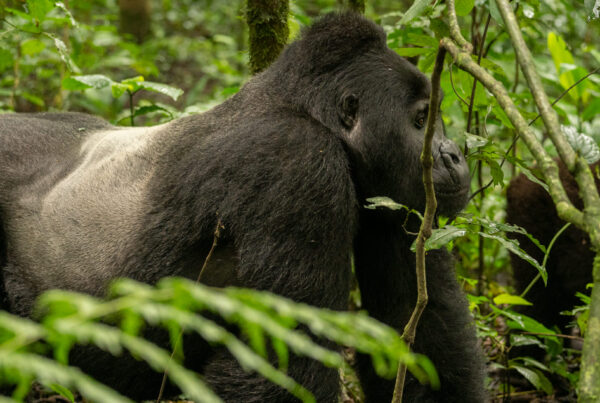
Mahale ranks sixth overall but would rank first for any travelerwhose primary safari goal is primate encounters. The habituated chimpanzee trekking at Mahale is simply the best chimpanzee experience in Tanzania — more reliable and intimate than Gombe, and more emotionally intense than any primate encounter available outside gorilla trekking in Rwanda and Uganda. The setting on Lake Tanganyika, the combination of forest trekking with snorkelingin the world’s second deepest lake, and the park’s extraordinary isolation all contribute to an experience that Serengeti regulars describe as the most memorable wildlife encounter of their lives. Mahale’s composite ranking reflects its specific primary attraction and the logistical commitment required to reach it. For the right traveler,it is Tanzania’s most extraordinary park.
Tier 3: Parks Worth Including for Specific Interests
Lake Manyara, Mikumi, and Katavi
7. Lake Manyara National Park
Treat Lake Manyara as a complementary destination rather than a standalone safari park. The flamingo gatherings on the soda lake—tensf thousands of birds in pink masses along the waterline—andhe famous tree-climbing lions are genuine draws. But the park is small,, and its game drive circuit is limited. It works most effectively as a half-day transit stop between Tarangire and the Serengeti. Birdlife in the groundwater forest at the park’s northern end is outstanding for birding-focused travelers, with canopy-level diversity that the more open northern circuit parks cannot match. For its size and ease of inclusion in a northern circuit itinerary, Manyara delivers reliable and pleasant game viewing. It is an addition, not a destination in its own right.
8. Katavi National Park
Katavi ranks eighth on accessibility — reaching it requires genuine commitment — but it ranks considerably higher on pure wildlife spectacle per visitor per day. The dry-season hippo and buffalo concentrations at Lake Katavi and the Katuma River are among the most extraordinary large mammal aggregations visible anywhere in Africa. The complete absence of visitor pressure means these spectacles occur in conditions of absolute exclusivity. Katavi suits experienced safari travelers who specifically seek a remote and uncompromised wilderness experience. It is not a general-purpose first-visit destination. But within that context, it delivers wildlife viewing quality that arguably surpasses anywhere else in Tanzania on its specific terms.
Plan Your Safari
Building a Tanzania itinerary across multiple parks requires matching park selection to your specific wildlife priorities, available time, budget, and seasonal timing. The northern circuit’s Tier 1 parks are the most practical starting point for first-time Tanzania visitors. Southern and western parks provide the most compelling upgrade for repeat visitors or specialists seeking exclusivity and activity variety that the northern circuit cannot provide.
African Wild Trekkers designs Tanzania multi-park itineraries at every level—from standard northern circuit visits to complex multi-week circuits combining northern, southern, and western parks. Our operators have current knowledge of conditions at every ranked park and recommend itinerary structures based on your specific travel dates, interests, and budget.
Contact African Wild Trekkers at africanwildtrekkers.com/contact with your Tanzania travel dates and wildlife priorities. We will design your park selection and confirm availability within 24 hours.