Maasai Mara National Reserve: Kenya’s Greatest Safari Destination
The Maasai Mara National Reserve safari consistently ranks among the world’s top wildlife experiences, delivering big five encounters, the annual wildebeest migration, and extraordinary predator concentrations within a 1,510-square-kilometer reserve in southwestern Kenya. The Mara forms the northern extension of Tanzania’s Serengeti ecosystem, and the continuous migration circuit between the two countries creates one of the planet’s most spectacular annual wildlife events when 1.5 million wildebeest, 200,000 zebras, and thousands of gazelles move through the Mara River crossing points between July and October. African Wild Trekkers designs Kenya safari itineraries that maximize Maasai Mara time during migration season while ensuring clients also access the reserve’s year-round wildlife wealth—resident lion prides, leopard territories, elephant families, and cheetah coalitions that deliver extraordinary viewing regardless of which month you visit.
Wildlife in the Maasai Mara
The Big Five and Resident Predators
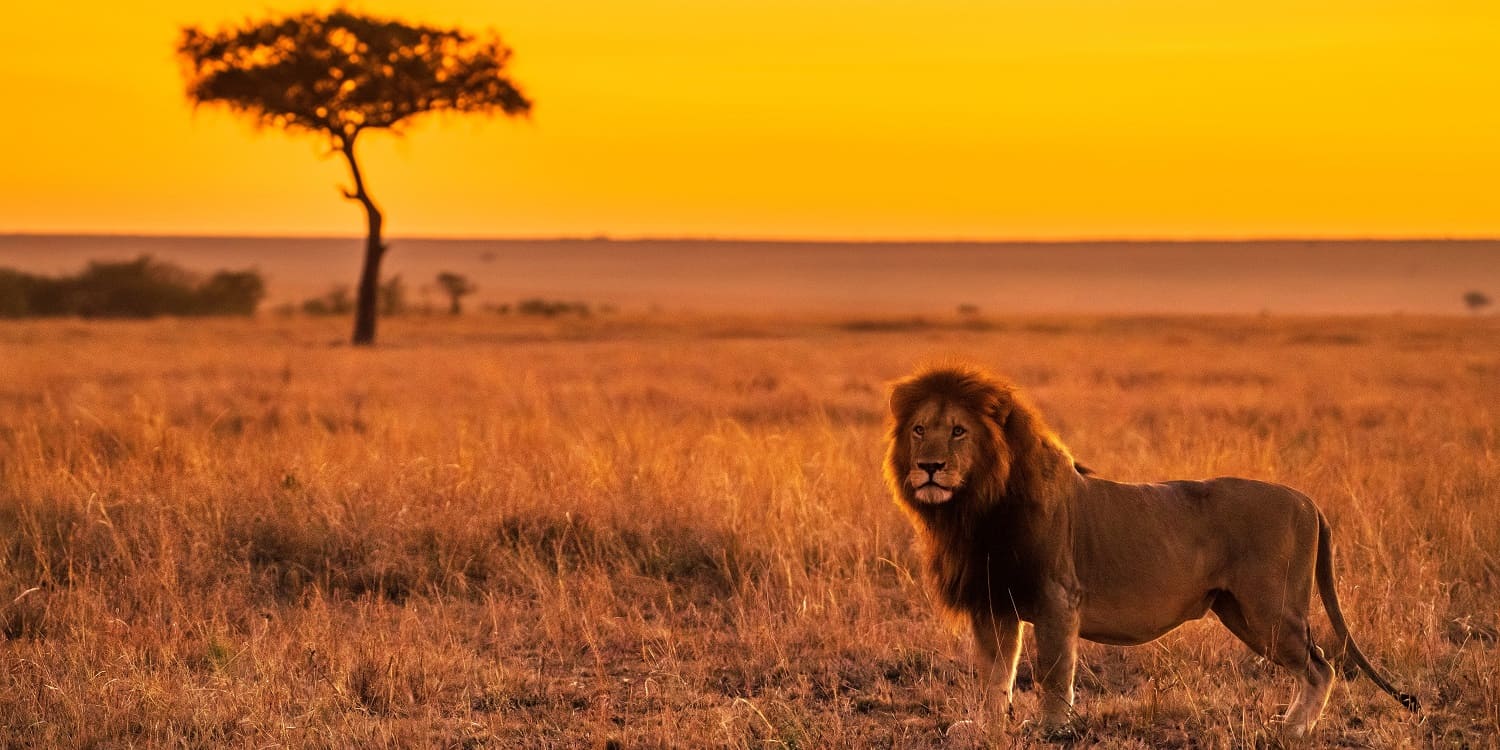
The Maasai Mara supports one of Africa’s highest lion densities, with approximately 850 individuals distributed across dozens of resident prides that hold territories throughout the reserve and surrounding conservancies. Lions here hunt by day far more frequently than in other African reserves, and game drives regularly produce mid-morning lion hunts that unfold completely within vehicle viewing distance — an experience of raw predation that many travelers describe as the most visceral wildlife moment of their entire Africa trip. Leopards inhabit the Mara River thickets and Ol Kinyei conservancy areas in healthy numbers, and the reserve’s relatively open terrain makes leopard sightings more reliable than in thicker bush systems where the cat’s cryptic coloring defeats even experienced trackers. Cheetahs roam the open Olare Motorogi and Musiara grasslands in coalitions and as solo females with cubs, and the flat terrain of these areas creates viewing conditions where game drives can parallel a hunting cheetah from start to kill without obstructing the hunt.
Elephants, Buffalo, and Hippos
Maasai Mara elephants move in large family herds across the reserve’s open grasslands, and matriarch-led herds of 30 to 50 individuals create impressive moving landscape scenes when encountered on the Mara’s expansive plains. Buffalo herds in the Mara can reach hundreds of animals grazing together in an aggregation that attracts lion prides willing to attempt hunts on adult buffalo—cooperative hunting that represents some of the most complex predator-prey behavior observable anywhere in Africa. The Mara River supports extremely high hippo densities in the large pools beneath the crossing points, and river crossings during migration season bring wildebeest through these hippo territories in ways that create a chaotic, visually overwhelming natural spectacle involving crocodiles, hippos, and the wildebeest themselves simultaneously. A single game drive along the Mara River during peak crossing season may produce more concentrated wildlife action in two hours than most African parks deliver across an entire multi-day visit.
Birdlife in the Mara Ecosystem
The Maasai Mara records over 450 bird species, and the mix of open grassland, riverine forest, acacia woodland, and wetland habitats creates diverse microenvironments where grassland specialists, forest endemics, and waterbirds coexist within a relatively compact area. Lilac-breasted rollers perch prominently on acacia branches throughout the reserve and appear in virtually every Mara photograph taken at vehicle level, their vivid turquoise and purple plumage earning universal recognition as one of Africa’s most beautiful birds. Secretary birds stalk the open grasslands with measured deliberation, and martial eagles soar overhead while ground-level game drives simultaneously target lion and elephant. Oxpeckers perch on the faces and necks of buffalos and rhinos, and their presence on a large mammal’s back helps trackers locate animals in tall grass from a distance. Dedicated birders can request specialized dawn bird drives along the river corridor that target species unavailable during standard game drives through the grassland interior.
When to Visit the Maasai Mara
Great Migration Months: July Through October
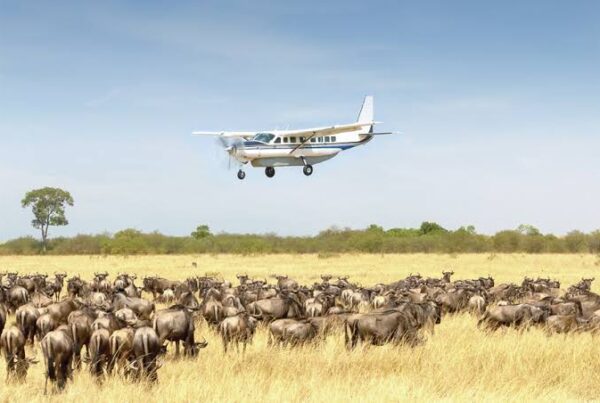
The Great Migration reaches the Maasai Mara between late June and early July when the wildebeest herds cross the Tanzania-Kenya border at the Mara River and begin grazing the Mara’s northern grasslands through October before the rains push them south again. River crossings happen throughout the day during peak crossing months and create the iconic scenes of wildebeest plunging into crocodile-filled water that define the Mara’s international identity—but crossing timing is unpredictable, and observers who spend multiple days at the river crossing points dramatically improve their chances of witnessing a major crossing event. July through October delivers the highest accommodation rates, the most vehicle congestion at sightings, and the greatest pressure on available game drive circuits, but the wildlife spectacle during this period genuinely justifies the premium for travelers who specifically want the migration experience. August and September represent the absolute peak of crossing frequency and should be booked 10 to 12 months in advance at preferred properties.
Year-Round Wildlife: The Case for Shoulder Season
The Maasai Mara’s resident wildlife — lions, leopards, cheetahs, elephants, buffalos, and the full savanna community — remains in the reserve year-round regardless of the migration’s position in its annual cycle, and visiting between November and June delivers outstanding wildlife viewing with dramatically fewer vehicles at sightings. January through March provides exceptional cheetah viewing as females with cubs hunt the open grasslands with full park resources available and minimal vehicle competition at sightings. The short rains in November produce the first flush of green vegetation that attracts resident wildlife in concentrated feeding patterns, and the landscape’s vivid green contrast against red Maasai soil creates a visual richness that the dry-season golden grass cannot match for photography. Accommodation rates outside the July to October peak drop by 20 to 40 percent at most Mara properties, and the combination of resident wildlife quality and reduced crowding makes shoulder-season visits genuinely excellent value.
Choosing Your Mara Accommodation
Private Conservancy Camps vs Reserve Camps
Properties located in the private conservancies surrounding the official Maasai Mara National Reserve — including Olare Motorogi, Mara North, Ol Kinyei, and Naboisho — operate under concession agreements with Maasai landowners that permit night drives, off-road driving, and walking safaris unavailable inside the national reserve boundary. These conservancy exclusivities create qualitatively different safari experiences, and the absence of multiple-vehicle congregations at sightings makes conservancy game drives consistently more intimate than reserve game drives during peak migration season. Conservancy camps charge premium rates that reflect both the land access fees paid to Maasai communities and the exclusive experience quality, with all-inclusive rates typically ranging from $600 to $1,500 per person per night. Properties inside the national reserve boundary deliver excellent wildlife access during migration season when the wildebeest presence compensates for the stricter vehicle regulations, and several reserve-adjacent camps offer competitive rates for travelers who accept the road-only driving restriction in exchange for central positioning near the major river crossings.
Plan Your Safari
Book Your Maasai Mara Safari
African Wild Trekkers designs Maasai Mara safaris for all budgets, combining migration season timing with private conservancy access and the best-value lodge options for your travel dates. Contact us at africanwildtrekkers.com/contact to start planning your Kenya safari.
What Your Package Covers
Your Maasai Mara package includes private conservancy or reserve access, experienced Maasai guides, all game drives including night drives where permitted, accommodation with full board, and all transfers from Nairobi or Wilson Airport.
Request Your Kenya Safari Quote
Tell us your travel dates and whether you want the Great Migration or a quieter shoulder season safari, and we will send a complete Mara itinerary within 24 hours. Reach us at africanwildtrekkers.com/contact.